

Category: CertFocus

What is Primary and Noncontributory Insurance? Complete Coverage Guide 2026

Insurance puzzle piece fits into a risk puzzle


News / Primary and Noncontributory Insurance Provision: Complete Guide 2026

Primary and Noncontributory Insurance Provision: Complete Guide 2026

Insurance puzzle piece fits into a risk puzzle

Primary and noncontributory coverage sounds like legal jargon, but it’s the difference between sleeping soundly at night and getting dragged into expensive insurance fights you didn’t start. With more than 919,000 construction projects employing 8 million workers and creating nearly $2.1 trillion worth of structures each year, according to the Associated General Contractors of America, contractor relationships are everywhere.

When contractors make mistakes and someone gets hurt or property gets damaged, you want their insurance to handle everything without your insurance company getting involved at all. Falls alone accounted for 421 construction worker deaths in 2023, according to OSHA. When these accidents happen, your subcontractor’s primary and non-contributory coverage keeps your insurance completely out of the expensive legal fights that follow.

Most business owners think additional insured coverage protects them completely, but that’s only half the story. Without primary and noncontributory endorsements, insurance companies will spend months arguing about who should pay what percentage while you’re stuck dealing with lawsuits and claims that would impact your premiums for years. In an insurance market where property and casualty insurers wrote $932.5 billion in net premiums in 2024, according to the Insurance Information Institute, carriers have plenty of motivation to fight over who pays.

This guide will show you exactly what primary and noncontributory means, how to spot proper endorsement language, and when you absolutely need this protection. CertFocus by Vertikal RMS verifies that evidence of primary and noncontributory endorsements is provided to assure vendor and subcontractor compliance with their obligation to provide this coverage.

What Does Primary and Noncontributory Mean in Simple Terms?

Primary and noncontributory means the contractor’s insurance pays first and pays alone when claims happen, without asking your insurance to chip in. Your insurance stays completely out of the picture.

Without primary and noncontributory protection, insurance companies will fight about who should pay what percentage of a claim, which will cause delays and complications that nobody wants.

For example, if a contractor causes $100,000 in damage and both you and the contractor have insurance, the companies might argue that each should pay $50,000. With primary and noncontributory endorsements, the contractor’s insurance pays the full $100,000 and your insurance pays nothing.

This protection matters because it keeps claims from affecting your insurance rates and preserves your coverage limits for your own incidents. When the contractor’s insurance handles everything, your insurance company never gets involved, so the claim doesn’t show up on your history or impact your future premiums. CertFocus by Vertikal RMS automatically requests and reviews primary and noncontributory language on incoming certificates to confirm that contractors provide this valuable protection before work begins.

What Is Primary and Noncontributory Insurance?

Primary and noncontributory insurance is a special endorsement that stops insurance companies from fighting over who pays for what when claims happen. Regular additional insured coverage gives you protection, but it doesn’t stop your insurance and the contractor’s insurance from arguing about splitting costs. Primary and noncontributory language fixes this problem by making the contractor’s insurance handle everything alone.

Let’s say a contractor damages your building and a customer gets hurt. Without primary and noncontributory protection, both insurance companies will argue about splitting the bill. This creates delays, legal fights, and headaches for everyone. With primary and noncontributory endorsements, the contractor’s insurance pays everything and your insurance never gets involved.

What Does Primary Insurance Mean?

Primary insurance means the contractor’s insurance has to jump in first when something goes wrong, without waiting for other insurance companies to get involved. Their insurance immediately handles the claim, pays for lawyers, and covers damages without any delays or confusion about whose turn it is.

This first-in-line protection saves you from the nightmare scenario where insurance companies spend months fighting about who should handle a claim while you’re dealing with lawsuits and angry customers. Primary coverage cuts through the nonsense by making it crystal clear whose insurance handles the problem from day one.

What Does Noncontributory Insurance Mean?

Noncontributory insurance means the contractor’s insurance can’t come knocking on your door later asking your insurance to help pay the bill. Even after they handle a claim, they can’t turn around and ask your insurance to reimburse them for part of the costs. The contractor’s insurance accepts full responsibility and eats the entire cost.

This protection keeps your insurance completely out of the picture, which is huge for your business. When your insurance never gets involved in contractor-related claims, those incidents don’t count against your loss history. That means your rates don’t go up and your coverage limits don’t get used up by problems you didn’t cause.

What Is PNC in Insurance?

PNC in insurance stands for primary and noncontributory, which is the abbreviation insurance professionals use to talk about these endorsements. You’ll see PNC written all over contracts, certificates, and insurance documents because it’s faster than writing out the full term every time. When someone says they need PNC coverage, they’re asking for both primary and noncontributory protection in one package.

Insurance people love their acronyms, and PNC has become standard language across the industry for this type of protection. Contractors know what you mean when you ask for PNC endorsements, and insurance agents immediately understand you want the contractor’s insurance to pay first and pay alone.

Contributory vs. Noncontributory Insurance: Key Differences

The difference between contributory and noncontributory insurance is whether other insurance policies have to help pay for claims or not. Contributory insurance means multiple insurance companies might split the costs when claims happen, while noncontributory insurance means one company pays everything alone. This difference can save or cost you thousands of dollars, depending on which type of coverage protects you.

Aspect Contributory Insurance Noncontributory Insurance
Cost Sharing Multiple insurers split claims One insurer pays everything
Your Insurance Involvement May have to contribute to claims Stays completely uninvolved
Claim Complexity More complicated with potential disputes Simple, one company handles everything
Protection Level Shared responsibility Full protection from one source
Premium Impact Claims might affect your rates Claims don’t impact your insurance
Coverage Limits Your limits might get used Your limits stay untouched
Processing Time Slower due to the need to coordinate Faster resolution

Noncontributory coverage gives you much stronger protection because it keeps your insurance completely out of contractor-related problems. With contributory coverage, you might still face rate increases and coverage limit reductions when claims happen, even though you didn’t cause the problem.

What Does Primary and Noncontributory Mean on a Certificate of Insurance?

Primary and noncontributory language on a certificate of insurance (COI) should clearly state that the contractor’s coverage applies as primary and noncontributory insurance with respect to your company. Look for specific wording like “Primary and Noncontributory as respects [Your Company Name]” in the description section, as these certificate of insurance fundamentals will keep you protected. Vague language like “primary coverage available” or “may be noncontributory” doesn’t give you actual protection.

When Do You Need Primary and Noncontributory Coverage?

You need primary and noncontributory coverage whenever you’re working with contractors or vendors whose activities could create liability claims that might involve your insurance. The bigger the risk and the more expensive potential claims could be, the more important vendor insurance requirements become. Without PNC coverage, you’re gambling that insurance companies won’t fight over who pays what when something goes wrong.

These are the 10 most common situations where you should demand primary and noncontributory coverage:

  1. Construction and renovation projects: Any work involving contractors, subcontractors, or tradespeople on your property where accidents could happen and third parties could get hurt.
  2. Commercial property leases: Tenant relationships where their business activities could create liability claims against both you and them.
  3. Vendor and supplier agreements: Companies delivering goods, installing equipment, or providing services at your location, where their work could cause problems.
  4. Event planning and management: Contractors providing catering, entertainment, security, or other services where public interaction creates liability exposure.
  5. Facility management contracts: Cleaning services, maintenance companies, landscaping, and other regular service providers working on your premises.
  6. Manufacturing and warehouse operations: Third-party logistics providers, equipment servicers, and contractors working around your operations or inventory.
  7. Large commercial contracts: Any high-value relationship where potential claims could exceed your comfort level for shared insurance responsibility.
  8. Property management and real estate: Multiple tenants, maintenance contractors, and service providers working in buildings where liability claims could affect property owners and managers.
  9. Healthcare and medical facilities: Contractors, vendors, and service providers working in environments where patient safety and regulatory compliance create elevated liability risks.
  10. Government and municipal contracts: Public sector projects where taxpayer liability and regulatory requirements demand the strongest possible insurance protection from contractors.

What Is Primary and Noncontributory Endorsement Wording?

Primary and noncontributory endorsement wording must be specific and clear to provide actual protection rather than just the appearance of coverage. Contractor insurance endorsements use precise language to define when their policies pay first and whether they can ask other insurers for money. Weak or conditional language creates loopholes that insurance companies use to avoid paying claims or drag your insurance into problems you thought you were protected from.

Proper endorsement language should state clearly that the contractor’s insurance applies as primary and noncontributory coverage with respect to your operations or premises. Here’s what you need to see:

  • “Insurance afforded by this policy is primary and noncontributory”: This phrase establishes both protections in clear terms.
  • “With respect to [Your Company Name] and [Your Comany Name’s] operations”: Specific reference to your company rather than generic certificate holder language.
  • “Any insurance or self-insurance maintained by [Your Company Name] shall be excess of this insurance”: Confirms your insurance doesn’t get involved
  • “No right of contribution against [Your Company Name’s] insurance”: Explicitly prevents the contractor’s insurance from seeking reimbursement from your coverage
  • “This insurance is primary to and not contributory with any other insurance available”: Covers both the primary and noncontributory requirements in one statement

What Is the First Requirement of Primary and Noncontributory Clause?

The first requirement of primary and noncontributory clauses is that the contractor’s insurance must be specifically designated as primary coverage that responds before any other insurance applies. This designation can’t be conditional or vague. It has to clearly state that their insurance jumps in first without waiting for determinations about other coverage. Without this primary designation, you could end up with insurance companies arguing about who goes first while you’re stuck dealing with claims.

The language must also establish noncontributory status by explicitly preventing the contractor’s insurance from seeking contribution from your coverage or any other insurance sources. Both elements have to be present and clearly stated because having just primary coverage without noncontributory protection still leaves you vulnerable to contribution claims later.

Primary and Noncontributory vs. Additional Insured: How They Work Together

You usually need both endorsements together because additional insured relationships give you coverage, while primary and noncontributory controls how that coverage works. Additional insured without PNC language can still result in insurance company fights and your insurance getting dragged into claims.

The combination gives you both protection and certainty about how claims get handled. Work injuries cost the U.S. economy $176.5 billion in 2023, according to the National Safety Council, so you must have both additional insured status and primary noncontributory protection to keep your business out of these expensive disputes.

Protection Type Additional Insured Primary and Noncontributory Both Combined
What You Get Coverage under their policy Payment order and contribution rules Complete protection package
Defense Rights Insurance defends you in lawsuits Clarifies which insurance pays first Defense plus payment guarantees
Payment Certainty Coverage exists but payment order unclear Clear payment responsibility No confusion about who pays
Your Insurance Impact May still get involved in claims Keeps your insurance uninvolved Maximum protection for your coverage
When You Need It Basic liability protection When multiple insurers might be involved High-risk contractor relationships

What’s the Difference Between Primary and Noncontributory vs. Waiver of Subrogation?

Primary and noncontributory controls what happens when claims occur, while waiver of subrogation controls what happens after claims get paid. Most businesses don’t realize that this waiver of subrogation comparison reveals two completely different types of protection. You need both because PNC keeps your insurance out of active claims, while waiver of subrogation prevents insurance companies from suing each other later.

Together, these endorsements provide complete protection from both immediate claim involvement and future recovery actions that could damage your contractor relationships.

Aspect Primary and Noncontributory Waiver of Subrogation
When It Applies During active claims and lawsuits After insurance companies pay claims
What It Controls Which insurance pays first and alone Whether insurers can sue for reimbursement
Protection Focus Prevents your insurance involvement Prevents insurance company lawsuits
Timing Immediate claim response Post-claim recovery actions
Business Impact Preserves your coverage and rates Protects business relationships
Insurance Company Rights Limits payment responsibility sharing Eliminates recovery pursuit rights

What Makes Primary and Noncontributory Coverage Invalid?

Primary and noncontributory coverage becomes invalid when the endorsement language is incomplete, conditional, or fails to meet the specific requirements outlined in your contracts. Insurance companies sometimes use vague wording that looks protective but doesn’t actually provide the coverage you think you’re getting. Look out for the following signs that might make your noncontributory coverage invalid:

  • Incomplete endorsement language: Missing either “primary” or “noncontributory” designation means you don’t get full protection
  • Conditional wording: Phrases like “may be primary” or “if required by contract” indicate that the protection might not actually exist
  • Generic certificate holder references: Language that doesn’t specifically name your company provides no enforceable protection
  • Missing policy endorsements: Certificates showing PNC language without actual policy endorsements backing up the claims
  • Incorrect coverage scope: Endorsements that only apply to specific operations rather than all work performed for your benefit
  • Expired or invalid policies: PNC language on certificates where the underlying insurance policies are no longer active

How CertFocus by Vertikal RMS Verifies Primary and Noncontributory Coverage

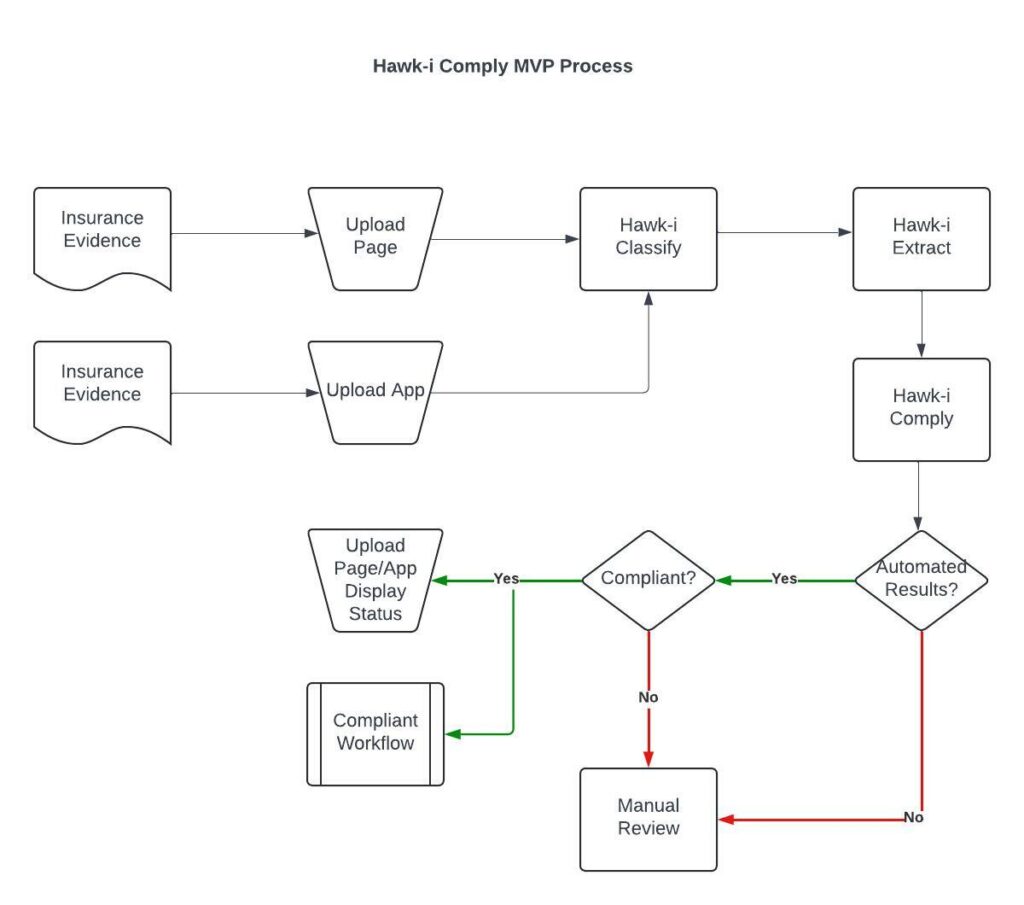
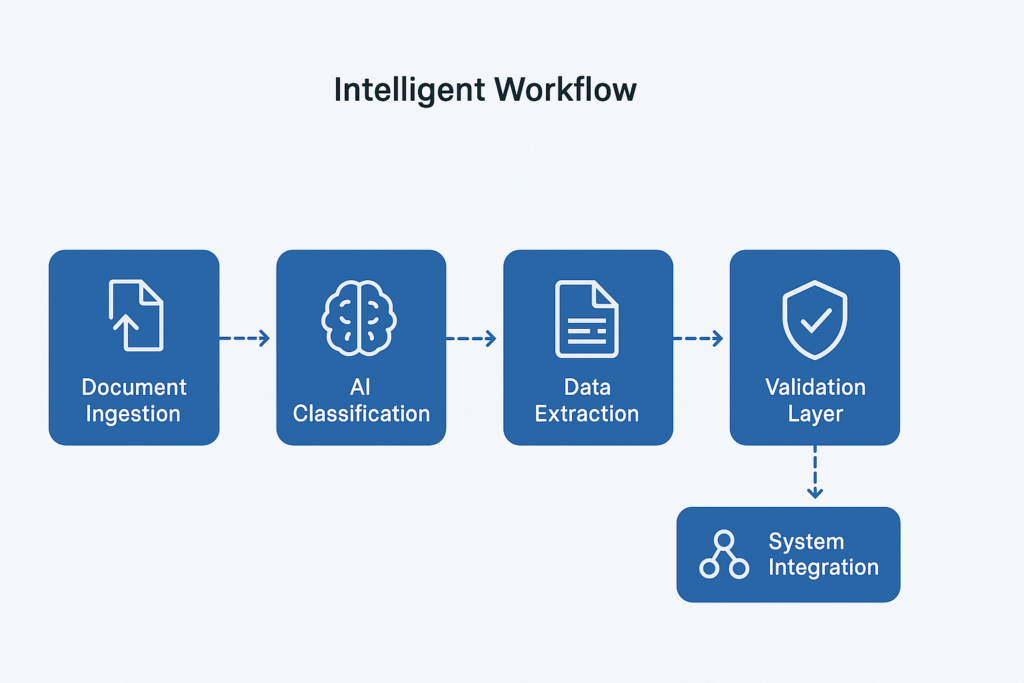
CertFocus by Vertikal RMS uses Hawk-I artificial intelligence to automatically scan incoming certificates for proper primary and noncontributory language, flagging documents that contain weak or incomplete endorsement wording.

The system recognizes the difference between definitive language that provides actual protection and conditional phrases that create coverage gaps. This automated detection prevents you from approving certificates that look protective but don’t actually meet your requirements.

The platform also tracks endorsement compliance across multiple coverage types, confirming that all contractors provide primary and noncontributory protection for all required insurance policies rather than just some.

This comprehensive approach to verification reflects Vertikal RMS’s commitment to client protection:


“True success comes from serving with care. At Vertikal RMS, we create a customer experience built on dedication, trust, and the promise that our clients will always feel supported.”


— Rachel Crowe, Director of Customer Success, Vertikal RMS

Frequently Asked Questions About Primary and Noncontributory Insurance

Primary means the contractor’s insurance pays first when claims happen. Noncontributory means their insurance pays alone without asking your insurance to contribute. Together, they keep your insurance completely out of contractor-related claims.

Primary and noncontributory isn’t legally required but has become standard practice in most commercial contracts. Many businesses require PNC endorsements to protect their insurance rates and coverage limits from contractor-related claims.

Primary and noncontributory endorsements typically cost an additional 2% to 8% in annual premiums plus endorsement fees of $25 to $100 per policy. The exact cost depends on coverage amounts and risk factors.

Primary insurance pays first when claims happen, while excess insurance only pays after other coverage gets exhausted. Primary and noncontributory coverage combines first-payment obligation with contribution protection for complete claim handling.

Check certificate descriptions for specific “primary and noncontributory” language that names your company. Avoid conditional phrases like “may be primary” and contact insurance companies directly if you have doubts about a certificate’s authenticity.

Without PNC coverage, insurance companies might fight about who pays what portion of claims, creating delays and potentially involving your insurance in contractor-related incidents that could affect your rates.

Ready to Rise Above Risk?

Reach out to discover how Vertikal RMS can help your organization implement an efficient and effective COI compliance tracking system.

Ready to Rise Above Risk?

Best COI Tracking Software 2026: Top COI Platforms for Contractors

picking the best choice arrow buttons

News / Best COI Tracking Software 2025: Top COI Platforms for Contractors

Best COI Tracking Software 2026: Top COI Platforms for Contractors

picking the best choice arrow buttons

Certificate of insurance tracking consumes hours of your team’s time every week. You’re chasing down renewals for expired certificates, playing phone tag with vendors, and manually updating spreadsheets that never seem current. Meanwhile, compliance gaps put your company at risk and your insurance coverage in jeopardy.

This manual approach doesn’t scale. When you’re managing hundreds of subcontractors across multiple projects or business partners from whom you acquire products and services, Excel files and email reminders quickly become overwhelming. One missed renewal can shut down a job site or expose you to massive liability, as common COI management mistakes like this can cost companies millions.

Smart companies automate their COI tracking instead of burning staff hours on administrative tasks. According to a 2023 Deloitte study, construction businesses have increased their technology adoption rate by 20%, with the average construction company now using 6.2 digital technologies like AI and Building Information Modeling (BIM) compared to 5.3 the previous year. That’s because modern platforms handle vendor communications, process certificates automatically, and alert you before coverage expires. Your team focuses on managing your core business while the specialized software applications handle insurance compliance management.

But not all COI tracking software is made equal. Some platforms offer basic document storage while others provide AI-powered processing that eliminates manual work entirely. This guide breaks down the leading COI tracking platforms, their real-world performance, and which businesses they serve best. You’ll understand exactly what each solution offers and which one matches your specific needs.

What’s the Best COI Tracking Software?

CertFocus by Vertikal RMS stands out as the best overall COI tracking software for companies that require advanced automation and enterprise-scale performance. The platform’s revolutionary Hawk-I AI technology eliminates manual certificate processing while delivering the accuracy and reliability that organizations across 25 vertical markets count on to achieve 90%+ compliance rates. A 2023 academic research found that 49% of global work activities can be automated by technologies like AI, making platforms like CertFocus by Vertikal RMS essential for staying competitive.

A McKinsey study found that almost two-thirds of all transactional businesses could save 30% of their time by automating processes like manual data entry.

But the right choice depends on what you actually need. Small contractors managing basic certificate volumes don’t need enterprise features and get better value from affordable options like C2COI.

We tested these platforms based on what matters in real operations:

  • Automation that actually works: Does the software eliminate manual tasks or just digitize the same tedious process?
  • Integration quality: Native connections with Procore, ERP systems, and tools your team already uses every day
  • Industry focus: Industry-specific features versus generic solutions
  • Performance under load: How platforms handle thousands of certificates without slowing down
  • Implementation reality: Real setup time, training equipment, and ongoing support quality
  • True cost analysis: What you actually pay including hidden fees, setup costs, and staff time savings

Top COI Tracking Software Platforms Reviewed

Choosing the right COI tracking software can transform your insurance compliance process from a manual headache into an automated system that protects your projects and reduces risk. We’ve evaluated the leading platforms based on automation capabilities, integration options, user experience, and proven results across dozens of industries. Here’s our comprehensive review of the top COI tracking solutions available today:

1. CertFocus by Vertikal RMS – Best Overall for AI-Powered COI Management

Website

Best For: Organizations managing complex insurance requirements who need proven expertise and advanced automation. CertFocus by Vertikal RMS excels for Fortune 500 companies like Ace Hardware, Buffalo Wild Wings, and NASCAR that want to eliminate time and resources previously required for manual certificate management.

CertFocus by Vertikal RMS leads the industry through its revolutionary Hawk-I artificial intelligence technology that automates certificate processing and compliance verification. Market leaders across many industry verticals trust Vertikal RMS to manage their complex insurance tracking requirements across multiple business units and thousands of business partners.

Key Features:

  • Hawk-I AI technology: Automatically reads, interprets, and validates certificate data with human-level accuracy.
  • Automated data integration: Bi-directional data transfer via open API updates your ERP, AP, and vendor management systems in real-time.
  • AM Best guide integration: Automatically confirms that insurance carriers meet your minimum rating thresholds and certificate of insurance requirements, alerting you when ratings drop.
  • Unlimited storage and reporting: Unlimited document storage with auto-generated, exportable reports in PDF, Excel, or CSV formats.
  • Full-service or self-service options: Choose between complete managed service or software-only solutions based on your needs.
  • Competitive pricing structure: Self-service starts at just $6 per vendor per year with AI verification included and unlimited users at no extra cost.

Pros:

  • Hawk-I AI automation reduces manual processing time by up to 90%
    Increases COI compliance to over 90%
  • A dedicated Client Success Manager and specialist team provide ongoing support
  • Faster implementation than full-service competitors with customizable service levels
  • Real-time compliance monitoring with automated notifications and follow-up

Cons:

  • May offer more comprehensive features than smaller companies require
  • Requires coordination for complex workflow integrations, like any enterprise platform

2. MyCOI – Best for High-Volume Certificate Management

Website

Best For: Companies across multiple industries that need to manage substantial volumes of certificates and prefer a platform with both automated features and human expert support. Best suited for organizations that don’t require advanced AI automation or specialized construction industry integrations.

MyCOI has operated since 2009 as a certificate of insurance tracking provider focused on helping businesses avoid uninsured claims and compliance failures. The company has over 15 years of experience in insurance technology and offers both AI features and human expert support for COI management. MyCOI serves multiple industries and is a popular solution for companies processing low cost sensitivity.

Key Features:

  • illumend AI technology: Basic artificial intelligence tools that identify expired certificates and send renewal notifications.
  • Certificate Hub: Centralized storage system for organizing insurance documents and vendor information.
  • Communications Director: Automated workflow system for managing vendor communications.
  • Insurance Pro expert team: Staff insurance professionals available for compliance guidance.
  • Agent portal: Platform section designed for insurance agents to handle renewals.

Pros:

  • Saves admin time on COIs through automation features
  • Cloud-based platform with multiple compliance features
  • Handles certificate renewals and vendor follow-up automatically
  • Long-standing presence in the COI tracking market

Cons:

  • Some users report slower review times during busy periods
  • Platform targets higher-volume users rather than small businesses
  • Limited integration options compared to enterprise-focused solutions
  • The component pricing approach makes it one of the more expensive options available in the marketplace.

3. SmartCompliance – Best for Enterprise Multi-Industry Management

Website

Best For: Brokers, insurance consultants, risk managers, and small to medium-sized businesses across multiple industries who need customizable compliance workflows and comprehensive reporting.

SmartCompliance was created in 2010 by JBKnowledge to help risk management professionals organize their documents and manage compliance more effectively. The platform serves multiple industries, including commercial property management, hospitality, government, banking, healthcare, construction, and retail, with both full-service and self-service options for COI tracking and compliance management.

Key Features:

  • Optical character recognition technology: OCR system converts handwritten or typed paper documents into digital copies for automated data extraction.
  • Customizable compliance rules: Allows businesses to set custom compliance thresholds and track requirements specific to their industry.
  • Risk insights and analysis reporting: Provides detailed analytics and reporting features for compliance status and potential risk identification
  • Multi-user collaboration platform: Allows vendors and multiple parties to upload documents directly while allowing customized access controls.
  • API integrations: Connects with various applications, including FranConnect, BILL, SSO via Azure AD and Okta, and Procore Technologies.

Pros:

  • Serves diverse industries with customizable workflows and compliance requirements
  • Modern dashboard design with real-time compliance visibility
  • Strong reporting capabilities with forever data storage for existing customers
  • Good customer support with 24-hour response times and live chat options

Cons:

  • Some users report occasional system downtime and technical issues
  • OCR is an outdated technology for COI data extraction and may require manual data entry corrections for certain document formats
  • Initial setup and configuration can be time-intensive due to customization options

4. Jones – Best for Real Estate and Construction Focus

Website

Best For: Small to medium-sized real estate and construction companies handling 500 to 5,000 certificates that need industry-specific compliance features and fast processing times.

Jones is an AI-driven software company founded by Omri Stern and Michael Rudman that focuses specifically on helping real estate and construction firms manage insurance risk across properties and projects. The company recently raised $15M in Series B funding and has scaled to over 25,000 real estate properties and construction projects across more than 2.5 billion square feet in the United States.

Key Features:

  • The Jones Network: Database of pre-populated insurance certificates and contacts from over 30,000 vendors speeds up construction prequalification and procurement.
  • AI-powered two-phase verification: Machine learning combined with human compliance experts for automated COI processing and compliance validation.
  • Bi-directional ERP integrations: Native connections with Procore, MRI software, Viewpoint Vista, and Building Engines for seamless workflow integration.
  • Insurance policy verification: Advanced feature that flags and interprets exclusionary language in insurance policies to mitigate costly third-party claims.
  • Automated gap resolution: System identifies compliance issues and triggers detailed email requests for updated certificates with specific coverage explanations.

Pros:

  • Industry-specific design tailored for real estate and construction compliance needs
  • Fast COI reviews
  • Strong integration capabilities with major construction and property management platforms
  • Claims a 90%+ audit accuracy rate with comprehensive service-level agreements

Cons:

  • Focused on real estate and construction industries and lacks versatility for other sectors
  • Limited track record with less established market presence compared to legacy providers
  • No self-service option available, requiring full-service engagement

5. Billy – Best for Construction Integration With Procore

Website

Best For: Construction companies already using Procore that need seamless COI compliance integration within their existing project management workflows.

Billy is an all-in-one construction insurance platform designed specifically to simplify COI management in the construction industry. The company focuses on construction-specific workflows and offers tailored solutions that align with project timelines and compliance requirements. Billy is trusted by ENR’s top 20 General Contractors, Home Builders, and owners to track subcontractor insurance requirements and manage compliance in real-time.

Key Features:

  • Procore side panel integration: Two-way integration that syncs COI compliance data directly within the Procore dashboard with real-time updates and automated alerts.
  • ProcorePay workflow integration: Embeds compliance tasks into payment workflows, preventing payments to non-compliant vendors.
  • Construction-specific document management: Handles COIs, surety bonds, W-9s, and business licenses all in one centralized platform.
  • Fast COI audit process: Professional insurance experts complete COI reviews within 24 business hours with comprehensive compliance verification.
  • Multi-platform ERP connections: Integrates with Sage 300, Viewpoint Vista, JD Edwards, CMiC, Autodesk, and DocuSign for seamless financial operations.

Pros:

  • Purpose-built for construction industry workflows and project management needs
  • Strong Procore integration allows compliance management without leaving familiar
  • Users report up to 80% time reduction through automation processes and integrations
  • Dedicated customer support with a comprehensive onboarding process led by industry experts

Cons:

  • Limited to the construction industry, lacking versatility for other business sectors
  • May require initial setup time for full integration with existing construction management systems
  • Newer platform with less established market presence compared to legacy COI tracking providers
  • Customization options may be limited compared to more generalized compliance platforms

6. BCS – Best for Full-Service COI Management

Website

Best For: Best for companies across multiple industries that need comprehensive vendor screening beyond basic COI tracking.

Business Credentialing Services has operated since 2008 as a comprehensive third-party screening and compliance company. BCS is known for being one of the most popular COI tracking companies that combines AI technology with expert review to manage certificates of insurance across multiple industries. The company offers both self-service software and full-service solutions with US-based analysts handling the entire compliance process.

Key Features:

  • AI-powered riskbot technology: First COI tracking company to release an insurance tracking AI agent that reviews both certificates and endorsements automatically.
  • Comprehensive vendor network: Database of over 78,000 active vendors with pre-verified insurance profiles and compliance history.
  • Full-service analyst support: US-based insurance experts collect, review, and correct documents while tracking expiration dates and compliance changes.
  • Multi-industry integration: Connects with Procore, MRI, Yardi, and other enterprise systems through open API for real-time data synchronization.
  • Complete credentialing suite: Beyond COI tracking, handles vendor licenses, W-9 verifications, financial background checks, and safety compliance.

Pros:

  • Clients report saving 15–20 hours per week on compliance management through automation and full-service support
  • 95% client retention rate with US-based customer service and multilingual analyst support
  • Free version available for small companies with limited budgets along with scalable enterprise options
  • Unlimited users at no extra cost with both self-service and full-service options

Cons:

  • Full-service implementation can take 6–8 weeks compared to faster self-service alternatives
  • Comprehensive feature set may be overwhelming for companies with simple COI tracking needs
  • Premium pricing for full-service options may exceed budgets for smaller organizations

7. C2COI – Best for Budget-Conscious Small Businesses

Best For: Small contractors, insurance brokers, and property managers who need basic COI tracking functionality without enterprise-level complexity or pricing.

C2COI is a user-friendly, cloud-based certificate of insurance management and tracking system designed to simplify COI tracking across industries. The platform is a cost-effective SaaS solution that supports ACORD-form uploads and delivers essential notifications to help businesses avoid audit risks. C2COI was built by contractors for contractors, insurance brokers, property managers, and other industries looking for affordable compliance solutions.

Key Features:

  • ACORD support: Handles standard industry certificate formats with automated document processing and upload capabilities.
  • Dashboard overview: Centralized view of all business partners’ COI information with detailed policy tracking and search functionality.
  • Automated notifications: Configurable alerts for expiring policies that notify both users and their business partners about upcoming renewals.
  • Multi-industry coverage tracking: Manages general liability and other requisite insurance types across contractors, property managers, and vendors.
  • 14-day free trial: No-commitment trial period allows businesses to test functionality before purchasing.

Pros:

  • Cost-effective pricing structure designed for budget-conscious small businesses and contractors
  • Simple, intuitive interface that requires minimal training for new users.
  • Quick setup process with immediate access to basic COI tracking functionality
    24/7 online access to certificate validity records and compliance status

Cons:

  • Limited advanced features compared to enterprise-focused platforms
    Basic automation capabilities without sophisticated AI technology for document processing
  • Fewer integration options with major construction management or ERP systems
  • No mention of dedicated customer support or professional services beyond software access

COI Tracking Software Comparison Table

Choosing the right COI tracking software depends on your specific business needs, budget, and technical requirements. This comparison table highlights the key differences between leading platforms to help you make an informed decision.

Platform Best For AI Features Integration Options Pricing Range Key Differentiator
CertFocus by Vertikal RMS Enterprise companies looking to eliminate manual COI processing and reduce compliance risks Hawk-I AI technology for automated COI review and compliance assessment ERP systems (open API), real-time data transfer to internal management systems $6–$29 per vendor/year Only platform with 90%+ compliance rates across more than 25 industries with proven AI capabilities
MyCOI High-volume certificate management across multiple industries illumend AI for flagging expired certificates and automated renewals Cloud-based platform with basic API connections $30–$60 per vendor/year 15+ years experience with 80% admin time reduction claims
SmartCompliance Multi-industry businesses needing customizable workflows Outdated OCR technology for document digitization and data extraction FranConnect, BILL, Azure AD, Okta, Procore Technologies via API $40–$80 per vendor/year Extensive industry adaptability with detailed analytics and reporting
Jones Real estate and construction companies using Procore AI-powered two-phase verification with machine learning algorithms Native Procore, MRI Software, Viewpoint Vista, Building Engines integrations Uses square footage or project-based pricing, but there are no specific rates published. The Jones Network with 30,000+pre-verified vendor insurance profiles
Billy Construction teams requiring seamless Procore integration Basic AI for automated compliance gap identification and alerts Deep Procore integration, Autodesk, CMiC, DocuSign, Sage 300, JD Edwards No pricing information publicly available. Construction-specific workflows with Procore Side Panel for real-time sync
BCS Organizations wanting full-service compliance management Riskbot AI agent technology for reviewing certificates and endorsements Procore, MRI, Yardi integrations plus open API for custom connections $6/year for software-only, $21/year for full-service 78,000+ vendor networks with US-based analyst support and multilingual services
C2COI Budget-conscious small businesses and contractors Basic automated notifications and ACORD-form processing Limited integration options compared to enterprise platforms $15–$40 per vendor/year Most affordable option with 14-day free trial and simple setup process

Best COI Tracking Software Comparison: Speed, Automation, and Service Levels

You’ve seen the top COI platforms in the market. Now it’s time to focus on what really matters when one expired certificate can shut down your project. Processing speed determines whether subcontractors have to wait days or weeks for approval, while automation quality shows whether you’re chasing renewals manually or getting proactive alerts.

These factors separate platforms that truly eliminate compliance headaches from those that just digitize your existing problems:

Fastest COI Review and Processing

CertFocus by Vertikal RMS processes certificates faster than other COI tracking platforms thanks to its Hawk-I AI technology that handles extraction and verification simultaneously. Billy and Jones both hit 24-hour turnarounds through different approaches, with Billy using insurance experts while Jones combines AI with human validation. BCS matches the 24 to 48 hour window with their riskbot AI plus analyst review.

MyCOI users report wildly inconsistent timelines that range from two days to two weeks when renewal season hits. That variability can be incredibly damaging to your project when you need predictable approvals to keep up with your schedule. Slow processing delays the entire operation, so it’s important to know how the top COI platforms compare when it comes to speed:

Platform Processing time Technology Notes
CertFocus by Vertikal RMS 24–48 hours Hawk-I AI extraction and validation Fastest processing with intelligent verification
Billy 24 business hours Professional insurance experts Fast turnaround for construction-specific needs
Jones 24 hours AI with human validation Quick processing for real estate and construction
BCS 24–48 hours Riskbot AI with analyst review Full-service speed with expert oversight
MyCOI 2 days to 2 weeks Automated review with manual validation Processing times vary during peak periods

Automated Renewal Notifications and Tracking

Basic platforms send expiration reminders and call it automation. Advanced systems actively verify that coverage stays in place between renewals, catching mid-term cancellations before claims expire. CertFocus by Vertikal RMS goes beyond expiration alerts by verifying coverage quarterly with insurance agents to catch cancellations that happen between renewal cycles.

This is how the top COI tracking companies stack up when it comes to renewal notifications and tracking:

Platform Notification Timing Carrier Verification Level of Automation
CertFocus by Vertikal RMS 60 days + quarterly checks Yes Quarterly agent verification throughout policy period
BCS Before expiration with follow-up Yes (full-service) Analyst-managed tracking and verification
Jones 30, 14, 7, and 0 days out Limited Multiple automated reminders
MyCOI 30–60 days before expiration Optional quarterly verification Automated alerts with verification add-on
Billy Through Procore integration Via compliance workflows Real-time alerts tied to payment processes

Full-Service vs. Self-Service COI Management

Full-service means they call the insurance agents, chase down missing endorsements, and handle compliance issues without touching your staff time. Self-service gives you software tools and leaves the follow-up to you. The choice comes down to whether you have internal compliance expertise and capacity.

Platform Service Models Available Agent Contact Best For
CertFocus by Vertikal RMS Full-service, self-service, hybrid Yes (full-service) Companies wanting flexibility by project
BCS Full-service and self-service Yes (full-service) Organizations needing comprehensive vendor screening
Jones Full-service only Yes Teams outsourcing compliance completely
MyCOI Full-service and self-service Yes (Insurance Pro team) Either service level depending on needs
Billy Full-service only Yes Construction companies wanting expert support


CertFocus by Vertikal RMS stands out by offering all three approaches:

  • Full-time service for complex projects
  • Self-service for routine tracking
  • Hybrid models where you mix both based on what each situation demands

Easiest COI Tracking Systems to Use

Simple interfaces feel great until you hit a complex compliance scenario they can’t handle. The best platforms combine comprehensive features with expert support that makes complicated situations feel easy and straightforward.

CertFocus by Vertikal RMS is the easiest COI tracking platform to use thanks to its dedicated Client Success Managers who know your specific setup and answer questions as they come up. Role-based dashboards show project managers only their project compliance by giving administrators the company-wide analytics they need. This approach prevents the screen clutter that makes complex platforms feel overwhelming. This is how the top COI platforms stack up:

Platform Dedicated Support Interface Approach Implementation Support User Proficiency Time
CertFocus by Vertikal RMS Dedicated Client Success Manager Role-based dashboards by user type Full implementation guidance 1–2 weeks with expert support
C2COI Standard email support Simple, streamlined interface Self-guided setup 2–3 days for basic features
SmartCompliance 24-hour response with live chat Modern dashboard with real-time visibility Configuration assistance available ~1 week
Billy Dedicated onboarding team Construction-specific workflows Comprehensive onboarding ~1 week
MyCOI Standard support channels Cloud-based with AI guidance Standard onboarding ~1 week

How To Choose the Right COI Management Platform

You need to match your business requirements with the right platform features to avoid expensive mistakes. The wrong choice can lead to outgrown systems, integration headaches, and vendor insurance compliance gaps that put your project at risk.

Start by evaluating these factors when comparing COI tracking platforms:

  • Certificate volume and complexity: High-volume operations benefit from advanced AI integrations like CertFocus by Vertikal RMS and its Hawk-I technology, while smaller businesses can succeed with basic and more affordable platforms like C2COI.
  • Industry-specific needs: Construction companies tend to require specialized integrations with Procore or similar project management tools, which makes platforms like Billy or Jones more suitable than general-purpose solutions.
  • Integration requirements: Consider whether you need native ERP connections, real-time data synchronization, or basic standalone functionality based on your existing software ecosystem.
  • Support and service level preferences: Decide if you want full-service management where experts handle everything, self-service software you manage internally, or hybrid approaches that combine automation with human oversight.
  • Implementation timeline and resources: Some platforms offer immediate setup while others require weeks of configuration, so factor in your urgency and available technical resources.
  • Budget constraints and ROI expectations: Balance upfront costs against long-term value, considering that advanced automation can pay for itself through reduced administrative time and improved compliance.
  • Scalability for future growth: Choose platforms that can accommodate expanding vendor networks, additional projects, and evolving compliance requirements without requiring system changes.

The best platform completely eliminates your current pain points while competitors only reduce them.

COI Software ROI and Cost Considerations

Manual COI tracking drains your budget through hidden costs that add up fast. Research from Harvard Business Review found that manual data input causes workers to spend up to 50% of their time searching for and correcting inaccuracies.

That means that a compliance manager earning $80,000 per year will burn through up to $40,000 worth of time on tasks that COI tracking software like CertFocus by Vertikal RMS handles automatically. Project delays from lapsed subcontractor insurance and claims from coverage gaps cost exponentially more than any software investment.

Companies using advanced platforms like CertFocus by Vertikal RMS eliminate up to 90% of manual processing time, while even basic solutions like C2COI cut the administrative burden significantly. In fact, a Microsoft study found that organizations that embrace automation technologies achieve a 248% three-year ROI and payback periods of less than six months.

Full-service providers like BCS can even replace entire compliance teams with expert analysts, justifying the cost. Include setup fees, data migration, and training time when calculating your total investments.

Free and Low-Cost COI Tracking Options

Free COI tracking sounds appealing until you calculate the hidden costs of manual processes, missed expirations, and liability exposure from coverage gaps. Spreadsheet cost nothing upfront but consume staff hours tracking renewal and verifying coverage manually, often costing more in labor than paid platforms charge annually.

Category Solution What You Get Hidden Costs
Best free tracking method Excel or Google Sheets Basic document storage and expiration date tracking Staff time chasing renewals, high error rates, no automated verification
Best free educational resources Vertikal RMS knowledge library Guides on COI requirements, compliance best practices, implementation strategies The time investment in learning (pays back through better processes)
Best limited free tier TrustLayer (basic plan) Limited certificate collection for very small vendor counts Upgrade required as vendor network grows, manual verification still needed
Best low-cost option Entry-level myCOI plans Automated expiration alerts with basic tracking Limited features, self-service only, no expert verification
Best low-cost with premium features CertFocus by Vertikal RMS (Self-Service) AI verification, unlimited users, expert support available None. Includes advanced features competitors charge extra for
Best full-service value CertFocus by Vertikal RMS (Full-Service) Credentialed insurance professionals, AI automation, dedicated account managers None. Eliminates manual work entirely

Free options make sense when you manage fewer than 10 vendors with straightforward insurance requirements and have staff time available for manual tracking. The Vertikal RMS knowledge library has the best free resources for learning the basics of COI tracking and best practices before investing in paid platforms. These educational articles help you understand what features matter and how to evaluate vendors.

However, free tracking creates hidden costs through staff hours spent on manual follow-up, errors from inconsistent processes, and liability exposure when coverage gaps slip through. One missed insurance certificate that results in a claim almost always costs more than several years of paid COI software.

CertFocus by Vertikal RMS: Affordable Access to Enterprise-Grade COI Tracking

CertFocus by Vertikal RMS breaks the false dichotomy between cheap software that leaves you doing manual work and expensive enterprise solutions beyond most budgets. The platform comes with advanced AI automation and expert insurance professionals at prices accessible to businesses of all sizes.

Transparent Pricing With Exceptional Value

CertFocus by Vertikal RMS offers two service models with volume-based pricing that grows with your vendor network:

Self-Service Model:

  • $6–$8 per vendor location per year
  • $7,500 annual minimum
  • AI-powered Hawk-I verification included
  • Unlimited platform users at no extra cost

Full-Service Model:

  • $13–$29 per vendor location per year
  • $10,000 annual minimum
  • Credentialed insurance professionals (CIC, CPCU, CISR, CRIS) review every certificate
  • Dedicated Client Success Manager and specialist team

Vendor-Pay Option:

  • $85–$150 per vendor annually
  • Passes compliance costs to suppliers
  • Full-service management included

The Math That Matters

Full-service at $13–$19 per vendor per year means 100 vendors costs $1,300–$2,900 per year for expert insurance professionals reviewing every certificate. Hiring one compliance analyst costs $60,000–$80,000 and handles maybe 300 vendors max. CertFocus by Vertikal RMS manages thousands of vendors with multiple credentialed professionals at 90% less than internal staff.

Even basic platforms charge $15–$40 per vendor usually don’t come with AI verification and charge per user. CertFocus by Vertikal RMS self-service at $6–$8 per vendor includes Hawk-I AI and unlimited users, making it cheaper than “budget” options that nickel-and-dime you for features.

What Features Should COI Tracking Software Have?

The right COI tracking features determine whether your software streamlines operations or creates new headaches. Essential capabilities handle basic certificate management, while advanced features like AI automation separate leading platforms from basic alternatives.

Look for these core features when evaluating COI tracking platforms:

  • Automated certificate collection and renewal reminders: The platform should chase down certificates for you and alert vendors before policies expire, eliminating manual follow-up calls and emails.
  • Advanced technology for document processing: High-end systems like CertFocus by Vertikal RMS automatically extract data from uploaded certificates, while basic platforms require more manual data entry. A Forrester study found that companies involved in high-volume processing save 200 hours per year through automation, with some organizations reporting up to 11,000 hours saved.
  • Real-time compliance monitoring: Instant alerts when coverage gaps appear, with clear identification of specific deficiencies like inadequate limits or missing endorsements.
  • Centralized document storage: Cloud-based repository that organizes all certificates, requirements, and vendor information in one location accessible 24/7.
  • Customizable insurance requirements: Ability to set specific coverage types, limits, and endorsements for different vendor categories and project types.
    Integration capabilities: Native connections with your existing systems, like Procore, ERP platforms, or accounting software prevent duplicate data entry.
  • Automated compliance verification: The system should compare certificate details against your requirements and flag discrepancies automatically rather than requiring manual review.
  • Vendor communication tools: Built-in messaging systems and professional notifications that maintain relationships and confirm compliance.
  • Reporting and analytics: Comprehensive dashboards showing compliance rates and risk exposure across your vendor network.
  • Mobile access: Field teams need to verify compliance status and access certificates from job sites without returning to the office.

Frequently Asked Questions About COI Tracking Software

CertFocus by Vertikal RMS is known for being one of the most accurate certificate tracking platforms thanks to its Hawk-I AI technology that automates certificate review and compliance assessment. Organizations that switch to CertFocus by Vertikal RMS routinely see their compliance rates jump from under 60% to over 90%.

BCS provides US-based customer support with multilingual analysts and dedicated account management. CertFocus by Vertikal RMS offers expert insurance professionals for guidance, while Billy provides comprehensive onboarding with industry-specific construction expertise.

Yes, leading platforms integrate with major construction software. Billy has Procore integration with side panel functionality, Jones connects with Procore and MRI Software, while Vertikal RMS integrates with ERP systems through open APIs and will integrate with Procore by the end of 2025.

COI tracking software costs range from $6–$80 per vendor per year based on automation depth. CertFocus by Vertikal RMS starts at just $6–$8 for AI-powered self-service or $13–$29 for full-service with credentialed professionals. Basic platforms cost $15–$60 per vendor without any advanced features.

C2COI has the simplest interface for basic tracking needs, while SmartCompliance provides modern design with intuitive navigation for multi-industry businesses requiring customizable workflows.

CertFocus by Vertikal RMS has compliance rates of up to 99% thanks to its advanced Hawk-I artificial intelligence technology.

All major COI platforms send automated renewal notifications. CertFocus by Vertikal RMS tracks expiration dates with smart request systems, while BCS automates outreach before policy lapses happen.

CertFocus by Vertikal RMS leads with Hawk-I AI technology for automated certificate processing. BCS has a riskbot AI agent, while myCOI uses Illumend AI for compliance management.

Billy specializes in construction with native Procore integration and industry-specific workflows. CertFocus by Vertikal RMS handles enterprise construction operations through advanced AI automation and ERP system connections.

CertFocus by Vertikal RMS is the fastest COI tracking software as it processes certificates within 24 to 48 hours using Hawk-I AI technology. Billy and Jones also deliver 24-hour processing for construction and real estate certificates, while BCS provides similar speed with full-service analyst support.

C2COI has the simplest interface with quick setup for small businesses managing basic tracking. CertFocus by Vertikal RMS provides the easiest experience for comprehensive compliance thanks to their dedicated Client Success Managers who make this the easiest COI tracking platform to use.

Full-service platforms like CertFocus by Vertikal RMS, BCS, Jones, and Billy contact insurance agents directly to verify coverage and resolve compliance issues. Self-service platforms give you the software tools but leave agent communication to your team.

Ready to Rise Above Risk?

Reach out to discover how Vertikal RMS can help your organization implement an efficient and effective COI compliance tracking system.

Ready to Rise Above Risk?

COI Tracking & Prequalification Integrations Guide

Abstract illustration of interconnected gears and digital workflow icons representing COI tracking and prequalification software integrations.


News / COI Tracking & Prequalification Integrations Guide

COI Tracking & Prequalification Integrations Guide

Abstract illustration of interconnected gears and digital workflow icons representing COI tracking and prequalification software integrations.

Most construction firms juggle three or four disconnected systems to manage subcontractor compliance, creating data silos that force teams to manually re-enter the same vendor information across multiple platforms. You type subcontractor details into your project management software, then copy everything again into your COI tracking system, then add it once more to your prequalification database. This duplicate work wastes hours every week and creates errors when someone updates information in one system but forgets the other two.

The bigger problem hits when COI tracking and prequalification exist in separate silos that don’t communicate with each other. Your prequalification system approves a financially stable subcontractor, but your COI tracking platform doesn’t know they exist yet. Or insurance expires mid-project, but your project management software still shows them as approved because the systems don’t sync. These compliance gaps may delay project starts and expose you to liability if subcontractors that aren’t properly insured work on your sites.

Integrated systems solve these problems by automating compliance workflows across your entire tech stack. When COI tracking connects with prequalification and both sync with your construction management software, subcontractor data flows automatically between platforms. Insurance expirations trigger prequalification status changes. Prequalification workflows automatically request certificates. Project managers see complete compliance status without checking multiple systems.

This guide explains how COI tracking integrations and prequalification integrations work with construction management software, which platforms connect together, and how to build an integration strategy that automates compliance instead of just moving data around.

Why Construction Software Integrations Matter for Compliance Management

Construction companies waste hundreds of hours each year copying vendor data between systems that should talk to each other automatically. You enter subcontractor information into your project management software, then re-enter the same details into your COI tracking platform, then add it again to your prequalification system. This duplicate work creates errors when someone updates a phone number in one system but forgets the other two.

Most platforms claim to have integrations but only pass basic data without real automation. They might sync a vendor name and email address, but you still manually chase certificates, check coverage requirements, and track renewal dates across separate dashboards. Real integrations eliminate this busywork by connecting your entire compliance workflow.

Having proper integrations benefits you in the following ways:

  • Cut administrative work in half: Enter vendor information once and watch it populate across your project management, accounting, and compliance systems automatically. Your team stops wasting time on data entry and focuses on actual risk management.
  • Kill data accuracy problems: Changes sync automatically across all platforms, so everyone sees current contact information, updated insurance policies, and accurate compliance status. No more arguments about which system has the right expiration date.
  • Speed up contract execution: Reduce compliance verification from days to minutes when systems share data instantly. Qualified subcontractors start work faster because you’re not waiting for someone to manually check certificates across three different platforms.
  • Stop missing renewals: Automated alerts notify you when policies expire soon across your entire vendor network. The system tracks expiration dates automatically instead of relying on spreadsheets that someone will inevitably forget to update.
  • Protect yourself in audits: Complete audit trails show exactly when you verified coverage, who approved exceptions, and what documents you collected. All the data lives in connected systems instead of being scattered across email threads and filing cabinets.
  • Catch problems early: Real-time compliance dashboards pull data from multiple sources to show which subcontractors have coverage gaps before they step on your job sites. You see financial problems from prequalification alongside insurance issues in one view.

The Integration Gap in COI Management: Not All Integrations Are Created Equal

Most COI tracking providers advertise integrations that barely connect systems beyond basic data transfers. These basic integrations let you export a spreadsheet from one platform and import it to another, but you still manually chase certificates, check compliance, and update subcontractor status across separate systems. Real automation means your systems talk to each other and take action without human intervention.

Basic vs. Advanced Integration Capabilities

Feature Basic Integrations (Most Providers) Advanced Automated Integrations (Vertikal RMS)
Data Flow Manual import/export of COI data Bi-directional data sync in real-time
Sync Direction One-way data sync only Two-way automatic updates across all systems
Automation No automated event triggering Automated compliance checks trigger prequalification updates
Workflow Requires duplicate entry in multiple systems Single compliance workflow across both systems
Status Updates Manual updates when certificates change COI expiration automatically updates subcontractor status
Cross-System Actions COI collection separate from prequalification Event-driven automation (COI renewal triggers re-qualification alert)
Compliance Alerts Separate notifications from each platform Unified alerts combining insurance and financial risk
Vendor Management Jump between platforms to see the complete picture Single dashboard shows insurance compliance and financial health

Vertikal RMS is the only provider with true automated COI and prequalification integrations, where certificate updates automatically trigger prequalification status changes. When a subcontractor’s insurance expires, CertFocus by Vertikal RMS automatically flags them in your prequalification workflow.

Vertikal RMS Integrated Compliance Ecosystem: COI Tracking + Prequalification

Vertikal RMS built the only platform where CertFocus by Vertikal RMS and PreQual by Vertikal RMS work as one connected system instead of two separate tools you force together. When subcontractors submit financial statements for prequalification, the system automatically requests their insurance certificates. When their policies expire, their prequalification status changes immediately. You get complete risk assessments without jumping between platforms or wondering if the information matches.

Here’s how the integration between CertFocus by Vertikal RMS and PreQual by Vertikal RMS works:

  1. Automated triggering during prequalification: When you invite a subcontractor to complete their prequalification questionnaire, the system automatically requests their certificate of insurance through CertFocus.
  2. Streamlined collection process: Subcontractors submit financial statements to PreQual by Vertikal RMS and insurance certificates to CertFocus by Vertikal RMS through coordinated workflows. CertFocus by Vertikal RMS extracts coverage details using AI and routes them to credentialed insurance professionals for verification while Vertikal RMS analysts review the financial documents.
  3. Real-time verification across both systems: CertFocus by Vertikal RMS verifies coverage limits, endorsements, and expiration dates, while PreQual by Vertikal RMS analyzes financial health. Both systems update the subcontractor’s risk profile simultaneously, so you see insurance compliance and financial stability scores together in one dashboard.
  4. Automatic status changes when coverage lapses: When a subcontractor’s general liability policy expires, CertFocus by Vertikal RMS immediately notifies PreQual by Vertikal RMS. The subcontractor’s prequalification status changes from approved to conditional automatically, and they get blocked from bidding on new projects until they renew coverage.
  5. Continuous monitoring prevents coverage gaps: Both systems track expiration dates and send alerts to subcontractors before lapse dates. If certificates aren’t renewed on time, project teams get notified automatically, and the subcontractor can’t work until insurance is restored.

Business Benefits of an Integrated Approach

This connected workflow solved problems that plague companies using separate systems for insurance and financial vetting. Integrated systems means you’ll:

  • Stop missing coverage gaps: You won’t discover expired insurance after awarding contracts because the system reports insurance status in real time, letting you see which subcontractors have coverage problems before making award decisions.
  • Kill duplicate work: Subcontractor information syncs between platforms automatically. No more typing the same vendor details into separate systems or wondering which database has current contact information.
  • See complete risk profiles right away: View insurance compliance, financial health scores, safety records, and past performance in one dashboard instead of comparing data across multiple platforms.
  • Speed up subcontractor approval: Qualified subcontractors with proper insurance get approved faster because you’re not waiting for someone to manually check certificates against prequalification files.
  • Catch financial problems that affect insurance: When subcontractors struggle financially, they often let insurance lapse to save money. Integrated systems spot this pattern by connecting cash flow problems with upcoming policy renewals.
  • Build better audit trails: Complete compliance records live in one connected system that shows exactly when you verified insurance, approved financial qualifications, and make subcontractor status decisions.

Examples of Integrations in Action

Not sure what an integrated prequalification and COI tracking system looks like? Here are three examples across industries:

  • National retail construction manager: A retail chain prequalifies 50 electrical subcontractors for store buildouts across multiple states. One subcontractor’s workers’ compensation policy expires mid-project. CertFocus by Vertikal RMS detects the lapse and immediately updates their prequalification status to suspended. The system blocks them from three upcoming project bids and alerts the project manager overseeing their current work. The electrical subcontractor renews coverage within 48 hours, uploads the new certificate to CertFocus by Vertikal RMS, and gets automatically reinstated in PreQual by Vertikal RMS without anyone making phone calls or sending emails.
  • Commercial developer managing mixed-use projects: A developer awards a $2 million HVAC contract to a prequalified mechanical subcontractor. During the annual re-prequalification review, the subcontractor’s updated financial statements show declining cash reserves and late vendor payments. PreQual by Vertikal RMS flags the financial decline and prompts an insurance review. CertFocus by Vertikal RMS discovers their general liability limits dropped from $2 million to $1 million during the policy renewal, falling below project requirements. The integrated system alerts the developer immediately, who negotiates coverage restoration before the subcontractor gets too far into high-risk work.
  • Multi-family residential builder: A builder prequalifies plumbing subcontractors for apartment complexes in five cities. During prequalification, one plumber submits strong financial statements, but their insurance agent takes three weeks to provide certificates. The integrated system shows their insurance compliance as incomplete and prevents project assignments until CertFocus by Vertikal RMS confirms proper coverage. Once certificates arrive and get verified, PreQual by Vertikal RMS automatically updates their status to approved, and they become eligible for project bids without anyone manually changing settings.

Construction Management Platform Integrations

Construction projects succeed when your compliance systems talk directly to the platforms where the work actually happens. When COI tracking and prequalification data sync with project management software like Procore, project managers see the subcontractor insurance status right where they assign work instead of checking separate databases they’ll probably ignore.

Procore Integration

Procore software is used to manage more construction projects than any other platform, making Procore integrations essential for compliance management. Both COI tracking and prequalification systems connect with Procore to put compliance data directly into project workflows where teams make subcontractor decisions.

PreQual Integration with Procore

CertFocus by Vertikal RMS connects directly with Procore to verify compliance during vendor selection. When your team adds subcontractors to projects in Procore, CertFocus by Vertikal RMS automatically requests certificates and shows real-time insurance status in the Procore vendor directory.

COI tracking companies integrated with Procore include:

  • CertFocus by Vertikal RMS
  • myCOI
  • Jones
  • TrustLayer
  • Billy
  • Business Credentialing Services
  • Ebix
  • SmartCompliance
  • CTrax
  • Pins Advantage
  • Others available through the Procore marketplace

Most platforms only sync basic certificate data. CertFocus by Vertikal RMS goes deeper with bi-directional updates where expired certificates automatically trigger alerts to project teams. Credentialed insurance professionals verify coverage details that automated systems miss, then push verified status back to Procore immediately.

ERP System Integrations for Enterprise Construction Firms

Enterprise construction companies need compliance data flowing directly into their financial systems to prevent payment errors and streamline vendor management. ERP integrations sync insurance status with accounting workflows so you automatically hold payments to non-compliant subcontractors and maintain clean vendor records across your entire organization.

Most modern prequalification systems can integrate with ERP platforms, as this has become an industry standard capability.

ERP System Vertikal RMS integration Key Benefits
SAP PreQual by Vertikal RMS Financial data sync, automated subcontractor setup, compliance status in vendor master
CMiC CertFocus by Vertikal RMS COI verification integrated with subcontract management, payment holds for non-compliance
Sage 300 Industry standard compatibility Accounting workflow automation, vendor compliance tracking
Oracle API integration available Custom workflows, enterprise-scale monitoring
JD Edwards API integration available Vendor master updates, automated compliance reporting

Benefits of construction-specific ERPs

ERP integrations solve real problems that cost construction companies money. Here’s how:

  • Accounting systems automatically hold subcontractor payments when insurance expires, preventing situations where you pay subcontractors who lack coverage and become liable for their accidents.
  • Vendor onboarding happens faster because compliance verification syncs directly with accounts payable setup instead of requiring separate approval workflows.
  • Project cost tracking stays accurate because the system flags non-compliant subcontractors before you commit budget dollars to subcontractors who might get blocked from working mid-project.
  • Audit trails connect financial transactions with compliance verification automatically, so you can prove every payment went to properly insured subcontractors without digging through filing cabinets.
  • Procurement teams see real-time insurance status when reviewing subcontractor invoices, catching coverage lapses before approving payments that create liability exposure.

Can Insurance Tracking System Providers Interface With My In-House System?

Yes, insurance tracking system providers can interface with in-house systems through APIs. Vertikal RMS offers API access for custom integrations with proprietary construction management, ERP, or vendor management systems. This matters for large construction firms running legacy platforms or custom-built systems that won’t work with standard marketplace integrations. The open API approach connects compliance data with whatever systems you use instead of forcing you to replace working infrastructure.

CRM and Property Management Integrations

Companies managing vendor relationships across sales pipelines or property portfolios need compliance data inside the systems their teams use every day. CRM and property management integrations put insurance verification directly into customer and vendor workflows instead of making people check separate compliance platforms.

Salesforce Integration

CertFocus by Vertikal RMS integrates with Salesforce to automate compliance verification during your sales and vendor management processes. Sales teams see vendor insurance status directly in Salesforce records without switching platforms or waiting for compliance teams to manually check certificates.

This integration catches compliance problems before they delay deals. When you qualify new vendors or subcontractors through your Salesforce pipeline, CertFocus by Vertikal RMS automatically requests certificates and updates vendor records with real-time compliance status. Contract signing workflows can require verified insurance before deals close, preventing situations where you discover coverage gaps after signing agreements. Customer and vendor records stay synchronized between systems so compliance data stays current across your entire organization.

Yardi Integration

CertFocus by Vertikal RMS connects with Yardi to track subcontractor compliance across entire property portfolios. Property managers see which maintenance vendors, subcontractors, and service providers have current insurance without leaving the Yardi platform they use to manage leases and work orders.

The integration automates COI requests when you add new vendors to properties or renew service contracts. Multi-property portfolios benefit most because the system tracks hundreds of subcontractors across dozens of locations and alerts property managers when coverage expires at specific sites. Lease management and vendor compliance live in one connected workflow, so you stop vendors from accessing properties when their insurance lapses and automatically reinstate them when coverage gets restored.

API Capabilities for Custom Integrations

Large construction firms don’t all run the same software stack. You might use proprietary systems built in-house, niche construction platforms specific to your work type, or legacy software that’s been running your business for 20 years. Standard marketplace integrations won’t connect with these systems, so you need flexible API access to build custom connections.

Open API Access

Both CertFocus by Vertikal RMS and PreQual by Vertikal RMS offer API connectivity for custom integrations. The open API architecture lets your development team or system integrators connect compliance data with whatever platforms you use instead of forcing you to switch to supported systems.

Custom Integration Use Cases

API integrations work for proprietary in-house systems that handle project management, vendor databases, or accounting workflows unique to your company. Niche construction software for specialized work like heavy civil, industrial, or infrastructure projects can pull compliance data directly. Legacy platforms that predate modern integration marketplaces connect through API calls that sync vendor status and certificate data.

Implementation Support and Resources

Vertikal RMS provides technical documentation, developer resources, and implementation assistance to help your team build and maintain custom integrations. You get access to API specifications, sample code, and technical support from people who understand both the compliance side and the integration side.

How Vertikal RMS Compares

While many COI tracking providers list integration partners, few offer the combination of pre-built integrations and flexible API access for custom connections. Vertikal RMS provides both, so you use marketplace integrations for common platforms like Procore or SAP while building custom connections for proprietary systems that make your business unique.

Choosing an Integration Strategy for Your Compliance Workflow

Most construction firms waste money on compliance software that doesn’t really connect with the systems running their business. Before buying another platform that promises integrations, figure out what you need to connect and whether the vendor can deliver real automation or just basic data transfers.

Use this framework to decide on your integration strategy:

  1. Audit your current tech stack: List every platform that touches subcontractor data including accounting systems, project management software, vendor management databases, bidding platforms, and document storage.
  2. Identify your biggest integration pain points: Find where duplicate data entry wastes the most time. Track where compliance gaps happen because information doesn’t always sync between systems. Look for places where people manually copy certificate data between platforms or miss expired policies because systems don’t communicate.
  3. Evaluate integration depth beyond marketing claims: Ask vendors to demonstrate actual information, not just describe it. Most providers claim to have many integrations but only pass basic data like vendor names and email addresses. Real integrations trigger actions automatically when compliance status changes, update subcontractor records across all systems simultaneously, and block non-compliant vendors from new work without manual intervention.
  4. Consider unified platforms vs. disconnected tools: Compare single-vendor solutions like CertFocus by Vertikal RMS plus PreQual by Vertikal RMS against buying separate COI tracking, prequalification, and project management tools that you’ll struggle to connect. Unified platforms cost less to integrate and maintain because the vendor built them to work together instead of forcing you to make competing products communicate.
  5. Verify API flexibility for your specific systems: Check whether the vendor offers open API access for custom integrations with proprietary software, legacy platforms, or niche construction tools that won’t appear in any integration marketplace. Large firms almost always need custom connections beyond pre-built integrations.

Key Questions To Ask Vendors

Don’t trust marketing materials. Ask these questions and demand live demonstrations:

  • Is the integration bi-directional or one-way? One-way integrations only push data in one direction, forcing you to manually update the other system. Bi-directional sync keeps information current across all platforms automatically.
  • Does COI status automatically update prequalification and vendor status? When certificates expire, you want the subcontractor’s status to change immediately in every system without someone manually updating records in multiple platforms.
  • Can expired certificates trigger automated workflows? Real automation blocks non-compliant subcontractors from bidding, holds payments, and alerts project teams without human intervention. Basic integrations just display expired status and make you take action manually.
  • What level of customization is available through API? Your business has unique workflows that generic integrations won’t support. Open API access lets you build custom connections that match how you normally work.
  • How long does implementation take? Vendors love to claim quick setup, but ask customers how long their integrations took to go live and what problems they hit during implementation.

The Future of Compliance Integrations in Construction

The construction industry is ditching point solutions that do one thing poorly in favor of integrated compliance ecosystems that connect insurance verification, financial prequalification, and safety tracking. Companies are tired of juggling five different platforms that don’t talk to each other and miss problems that fall between systems.

AI-powered automation is changing how compliance works by predicting problems before they happen instead of just alerting you after the damage is done. CertFocus by Vertikal RMS already uses Hawk-I AI technology to extract and verify certificate data faster than manual reviews, and the next generation will predict which subcontractors are likely to let insurance lapse based on financial trends and past behavior patterns.

Real-time risk scoring will combine financial health from prequalification with insurance compliance and safety records to show complete subcontractor risk profiles. Instead of checking insurance in one system, financials in another, and safety records somewhere else, you’ll see unified risk scores that update automatically when any factor changes. Vertikal RMS is already positioned for this future through the integrated CertFocus and PreQual by Vertikal RMS platform that connects compliance data other providers keep separated.

Stop Juggling Disconnected Compliance Systems

Construction companies waste thousands of hours and millions of dollars on compliance platforms that don’t actually work together. Here’s what does matter when connecting your systems:

  • Integration depth beats integration quantity: Ten shallow integrations that only pass basic data create more problems than two deep integrations that really automate workflows and trigger actions across systems.
  • Real automation needs bi-directional sync and event-driven workflows: One-way data transfers and manual updates aren’t integrations, they’re glorified export buttons that still have you do most of the work.
  • Unified platforms kill data silos: Buying COI tracking and prequalification from the same vendor eliminates the integration headaches you get when forcing competing products to communicate.
  • API flexibility connects with your tech stack: Pre-built marketplace integrations work for common platforms, but you need open API access to connect proprietary systems, legacy software, and niche construction tools.

Get Complete Compliance Integration with Vertikal RMS

Vertikal RMS offers the construction industry’s only fully integrated COI tracking and prequalification solution, combining CertFocus by Vertikal RMS with PreQual by Vertikal RMS with deep integrations across major construction management, ERP, and CRM platforms. The unified platform eliminates duplicate data entry, catches compliance gaps before they become problems, and automates workflows that other providers make you handle manually.

Stop paying for integrations that don’t actually integrate. Contact Vertikal RMS today to see how connected compliance systems should work.

FAQs

CertFocus by Vertikal RMS, myCOI, Jones, TrustLayer, Billy, Business Credentialing Services, Ebix SmartCompliance, CTrax, and Pins Advantage integrate with Procore.

PreQual by Vertikal RMS, Compass by Bespoke Metrics, and Highwire integrate with Procore. Additional prequalification platforms are available through the Procore.

Yes, most modern prequalification systems integrate with ERP platforms as an industry standard. PreQual by Vertikal RMS integrates with SAP, CMiC, Sage 300, and other enterprise systems.

Yes, insurance tracking providers interface with in-house systems through API connections. Vertikal RMS offers API access for custom integrations with proprietary construction management and vendor platforms.

Basic integrations only pass data one-way without automation. Advanced integrations provide bi-directional sync, automated event triggering, and real-time status updates across all connected systems.

Vertikal RMS is the only provider offering fully integrated COI tracking through CertFocus by Vertikal RMS and prequalification through PreQual by Vertikal RMS, where certificate updates automatically trigger prequalification status changes.

Yes, CertFocus by Vertikal RMS integrates with Salesforce for compliance verification during vendor qualification, automated certificate requests, and synchronized customer and vendor records.

Yes, CertFocus by Vertikal RMS integrates with Yardi for property management, tracking subcontractor compliance across portfolios, and automating certificate requests for maintenance vendors.

Typical implementation takes 6 to 8 weeks depending on system complexity. Custom API integrations for proprietary platforms may require additional time for development and testing.

Ask whether integrations are bi-directional, if COI status automatically updates vendor records, whether expired certificates trigger automated workflows, and what API customization options exist.

Ready to Rise Above Risk?

Reach out to discover how Vertikal RMS can help your organization implement an efficient and effective COI compliance tracking system.

Ready to Rise Above Risk?

ACORD 25 and 27 Forms: Complete Insurance Certificate Guide

risk manager looks at acord form


News / ACORD 25 and 27 Forms: Complete Insurance Certificate Guide

ACORD 25 and 27 Forms: Complete Insurance Certificate Guide

risk manager looks at acord form

ACORD forms pop up in every business relationship involving insurance, but most people have no clue what they’re looking at or why these specific forms matter so much. You get an ACORD 25 from a contractor and assume it means you’re protected, when the reality is that half the certificates floating around are missing important endorsements or contain meaningless conditional language that provides zero coverage.

Instead of being an insurance provider, ACORD is the organization that created the standardized forms everyone uses to prove insurance exists. Before ACORD standardization, every insurance company used different formats, which made comparing coverage impossible. Now, every contractor sends you the same ACORD 25 format, every lender wants the same ACORD 27 layout, and every business relationship depends on these forms to verify coverage.

This guide explains exactly what ACORD forms contain and when you need liability versus property verification. CertFocus by Vertikal RMS can help you process thousands of certificates of insurance forms automatically, using AI to catch missing endorsements and inadequate coverage.

What Is ACORD Insurance and Why Does It Matter?

ACORD isn’t actually insurance itself but rather the organization that creates standardized insurance forms used across the entire industry. ACORD stands for Association for Cooperative Operations Research and Development, and they’re the nonprofit group that developed the standard certificate forms you see everywhere in business. When people say “ACORD insurance,” they’re really talking about the standardized forms that ACORD created to make insurance verification easier.

ACORD standardization matters because it eliminates confusion and creates consistency across all insurance companies and business relationships. Before ACORD forms, every insurance company used different formats for certificates, which made it nearly impossible to compare coverage and understand what protection existed. Now, when you get an ACORD 25 certificate from any contractor, you get a certificate of insurance overview with coverage limits, effective dates, and endorsement information because the format is always the same.

This standardization saves businesses massive amounts of time and prevents costly mistakes that happen when people can’t understand insurance documentation. CertFocus by Vertikal RMS processes thousands of liability insurance certificates automatically because the standardized format allows AI systems to extract information consistently, regardless of which insurance company issued the certificate.

ACORD Is Not an Insurance Company

ACORD does not sell insurance, issue policies, or provide any type of coverage whatsoever. This causes massive confusion because thousands of people search for ACORD insurance quotes every month, thinking ACORD is an insurance carrier.

ACORD is the company that creates the standardized certificate forms that document insurance coverage, but they have nothing to do with actually providing insurance protection. Searching for insurance from ACORD is like searching for “Microsoft Word contract” when you need a lawyer, or looking for “Yellow Pages plumber” when the Yellow Pages is just the directory.

What ACORD Actually Does vs. What It Doesn’t Do

Knowing what ACORD Corporation actually does versus what people mistakenly think it does prevents wasted time searching for insurance products that don’t exist:

Aspect What ACORD Does What Insurance Companies Do
Purpose Creates standardized certificate forms and data standards Provide actual insurance coverage and protection
Products Form templates (ACORD 25, ACORD 27, etc.) Insurance policies (general liability, property, auto)
Revenue Model Nonprofit membership organization Premium collection from policyholders
Customer Service Form updates and standardization guidance Insurance quotes, underwriting, claims processing
Financial Role No money exchanged for coverage Collect premiums, pay claims, manage risk
Legal Authority No NAIC number, not licensed to sell insurance Licensed carriers regulated by state insurance departments
Claim Handling Cannot pay claims or provide coverage Investigate claims, pay settlements, defend lawsuits
Real-World Analogy Like Microsoft Word (creates document templates) Like a law firm (provides actual legal services)

Common ACORD Insurance Misconceptions

These misconceptions drive thousands of frustrated searches from people looking for insurance in the wrong place:

  • “ACORD insurance quote”: ACORD doesn’t provide insurance quotes of any kind. Insurance agents and brokers use ACORD forms to document coverage after you purchase a policy, but the actual insurance comes from carriers like Travelers, The Hartford, Liberty Mutual, or Chubb. The ACORD form is proof you bought insurance, not the insurance itself.
  • “ACORD liability insurance”: ACORD liability insurance doesn’t exist as a product you can buy. The ACORD 25 certificate is just the standardized form format that shows someone has general liability insurance from an actual insurance company. ACORD created the form template, but State Farm, Nationwide, or another carrier provides the actual liability coverage.
  • “ACORD liability insurance”: ACORD Corporation is a nonprofit standards organization, not an insurance carrier. They have no NAIC number, don’t underwrite policies, can’t accept premium payments, and provide zero coverage for any risk. Searching for the “ACORD insurance company” leads nowhere because it’s not an insurance company at all.
  • “ACORD business insurance” or “ACORD auto insurance”: These insurance products don’t exist. ACORD forms document business or auto insurance purchased from real carriers, but ACORD itself sells absolutely nothing. When your contractor sends you an ACORD 25 showing their commercial auto coverage, the insurance comes from their carrier, not from ACORD.

How To Actually Get Insurance (Not From ACORD)

Getting actual insurance requires contacting licensed insurance professionals who represent real insurance carriers:

  1. Contact licensed insurance agents or brokers: Reach out to insurance professionals who represent actual insurance companies in your state. These agents can quote coverage from multiple carriers and help you find appropriate protection for your business or personal needs.
  2. Request quotes from insurance carriers: Get quotes from legitimate insurance companies like State Farm, Travelers, Liberty Mutual, Progressive, The Hartford, Nationwide, or other licensed carriers. These companies underwrite policies, collect premiums, and pay claims when covered losses occur.
  3. Purchase a policy from a real insurance company: Complete the application process, pay your premium, and receive your actual insurance policy from the carrier. This policy provides the coverage and protection you need.
  4. Receive your ACORD certificate as proof: Once you purchase insurance from a real carrier, they’ll issue an ACORD certificate documenting your coverage. The ACORD 25 or ACORD 27 form shows the insurance you bought, but remember that ACORD forms are the output after buying insurance, not the source of coverage itself.

You can’t buy insurance from ACORD any more than you can buy a house from Zillow or get medical treatment from WebMD. ACORD creates the forms that document insurance, but insurance carriers provide the actual protection.

What Are ACORD 25 and ACORD 27 Insurance Forms?

ACORD 25 is the standard form for liability insurance, while ACORD 27 is for property insurance. ACORD 25 shows whether someone can pay for damage they cause to other people or property, whereas ACORD 27 shows whether someone has insurance to cover their own property if it gets damaged or stolen.

You’ll see these vendor COI forms all the time because pretty much every contractor relationship needs liability insurance verification. This form tells you if contractors have enough coverage to handle lawsuits, injuries or property damage that might happen during their work. It covers things like general liability, auto insurance, workers’ comp, and whether you’re added as additional insured for extra protection.

ACORD 27 forms don’t come up as often, but they’re huge when you’re dealing with real estate, equipment loans, or lease agreements. Banks want to see these before they’ll give you a commercial loan, and landlords use them to confirm that tenants have coverage for the building.

Aspect ACORD 25 ACORD 27
Purpose Certificate of liability insurance Evidence of property insurance
Coverage Type Liability protection (third-party claims) Property protection (first-party losses)
Common Insurance Types General liability, auto, workers’ comp, umbrella Building, contents, business personal property
When Is It Required Contractor relationships, vendor agreements Real estate transactions, loan applications
Who Requests It General contractors, property managers Lenders, landlords, equipment financiers
Usage Frequency Very common in most business relationships Less frequent, specific situations
What It Protects Third-party injuries and property damage Physical assets and business interruption
Key Information Coverage limits, endorsements, effective dates Coverage amounts, deductibles, special provisions

ACORD 25 Certificate of Liability Insurance

ACORD 25 forms show all the liability insurance coverage that protects against lawsuits, injuries, and property damage claims. This one-page form lists general liability limits, auto coverage, workers’ comp protection, and umbrella policies in a format that’s the same no matter which insurance company fills it out.

The ACORD 25 contains important information that determines your protection level when working with contractors. Here’s what you’ll find on every ACORD 25 certificate:

  • General liability coverage limits for third-party bodily injury and property damage claims.
  • Workers’ compensation coverage as required by state law, with policy numbers and effective dates.
  • Commercial auto liability for vehicle accidents during business operations.
    Umbrella or excess liability providing additional coverage above standard policy limits.
  • Additional insured endorsements specifying your protection level.
  • Waiver of subrogation language preventing insurance company recovery actions.
  • Policy effective and expiration dates confirming coverage timelines.

CertFoucs by Vertikal RMS automatically reads all this information from liability insurance certificates, catching missing endorsements or inadequate coverage before they become problems.

ACORD 27 Evidence of Property Insurance

ACORD 27 forms prove that someone has property insurance for their buildings, equipment, inventory, and business interruption coverage. Unlike liability certificates that focus on damage you cause to others, ACORD 27 covers damage to your own property from fires, theft, storms, or disasters. lenders, landlords, and equipment financing companies use these forms to confirm that borrowers or tenants have enough property protection.

The ACORD 27 contains detailed property coverage information that lenders and landlords need to verify adequate protection. This is what you’ll find on an ACORD 27 form:

  • Building coverage limits for rebuilding or repairing the physical structure
  • Business personal property protection for equipment, inventory, and business contents
  • Business interruption insurance for lost income during property damage shutdowns
  • Deductible amounts the policyholder pays before insurance coverage applies
  • Special provisions like equipment breakdown, flood protection, or specific endorsements
  • Policy effective effective and expiration dates
  • Mortgagee or loss payee information for lenders with financial interest

How ACORD Forms Became the Industry Standard

ACORD forms became the industry standard because insurance companies, businesses, and brokers desperately needed a consistent way to communicate coverage information across different systems and relationships. Before ACORD standardization in the 1970s, every insurance company used its own certificate formats, which created confusion and errors that cost businesses time and money. The insurance industry recognized that standardized forms would eliminate miscommunication and streamline the entire verification process.

ACORD forms caught on because they solved real problems everyone dealt with every day. Insurance companies could process certificates faster, businesses could actually understand coverage, and brokers could work with multiple carriers using identical forms.

This is how the ACORD forms became standard:

  • 1970: The ACORD organization was founded to create industry-wide data and form standards
  • 1973: First standardized certificate forms introduced to replace company-specific formats
  • 1988: ACORD 25 Certificate of Liability Insurance becomes the universal standard
  • 1995: ACORD 28 Evidence of property Insurance gains widespread adoption
  • 2000s: Electronic processing capabilities added to support digital certificate management
  • 2010s: Enhanced forms accommodate new insurance products and endorsement types

Just as ACORD standardization brought consistency to the insurance industry, Vertikal RMS applies the same principle to certificate management:


“The strength of Vertikal RMS lies in our commitment to quality and consistency. Our service is a true reflection of the dedication and passion we bring to every partnership.”


— Robert Rodriguez, Chief Operating Officer, Vertikal RMS

What Information Is in ACORD 25 and ACORD 27 Forms?

ACORD 25 and ACORD 27 forms handle all contractor insurance documentation through specific sections that organize insurance information in a consistent, standardized layout that’s the same regardless of which insurance company issues them. Both forms follow logical layouts that put the most important information in predictable locations, which makes verification a lot faster and more reliable.

ACORD 25 Form Information and Sections

The ACORD 25 certificate organizes liability insurance information into clearly defined sections that show policyholder details, coverage types, limits, and special endorsements. Each section serves a specific purpose in documenting the liability protection that applies to your business relationship.

  • Producer information: Insurance agent or broker contact details, including name, phone, fax, and email address
  • Insured details: Complete name and address of the policyholder who owns the insurance policies
  • Insurer information: Insurance company names and NAIC numbers for insurers A through F
  • Policy numbers and effective dates: Unique policy identifiers and coverage periods for each insurance type
  • Commercial general liability: Each occurrence, general aggregate, products/completed operations aggregate, and personal/advertising injury limits
  • Medical expense coverage: Payment limits for immediate medical expenses, regardless of fault
  • Damages to rented premises: Coverage limits for property damage to leased or rented locations
  • Automobile liability: Combined single limit or separate bodily injury and property damage limits for any auto, owned, hired, or non-owned vehicles. The Insurance Institute for Highway Safety reports that 40,901 people died in motor vehicle crashes during 2023, which makes verifying auto liability coverage extremely important.
  • Workers’ compensation: Statutory coverage with employers’ liability limits for each accident, disease per employee, and disease policy limit
  • Umbrella or excess liability: Each occurrence and aggregate limits with deductible or retention amounts
  • Description of operations: Written explanation of covered work activities, locations, vehicles, and special endorsements
  • Certificate holder information: Name and address of the party receiving the certificate as proof of coverage
  • Cancellation clause: Standard language about policy cancellation notice requirements

ACORD 27 Form Information and Sections

The ACORD 27 form organizes property insurance information to show coverage amounts, deductibles, and special provisions that protect physical assets and business operations. This form focuses on first-party coverage that protects the policyholder’s own property rather than third-party liability claims.

  • Agency information: Insurance agent or producer contact details including phone, fax, email, agency code, and customer ID
  • Company information: Insurance carrier name issuing the property coverage
  • Insured details: Name and address of the property owner or policyholder
  • Loan and policy numbers: Unique identifiers linking the evidence form to specific loans and insurance policies
  • Policy effective and expiration dates: Coverage period sowing when property protection begins and ends
  • Property information: Location and description of covered buildings, equipment, or business personal property
  • Coverage information: Types of property coverage including basic, broad, or special form perils
  • Amount of insurance: Coverage limits for buildings, contents, and other covered property types
  • Deductible amounts: Out-of-pocket costs the policyholder pays before insurance coverage applies
  • Perils insured: Specific risks covered, like fire, theft, wind, or other property damage causes
  • Remarks section: Special conditions, endorsements, or additional coverage details
  • Additional interest information: Names and addresses of parties with financial interest in the property
  • Mortgagee or loss payee: Lenders or financing companies entitled to claim payments
  • Cancellation clause: Standard language about policy cancellation notice requirements

When Do You Need ACORD 25 vs. ACORD 27 Forms?

You need ACORD 25 forms when verifying liability insurance coverage and ACORD 27 forms when proving property insurance exists. The choice depends on what type of protection you’re trying to verify and what your contracts or lenders require. Many situations actually require both forms because liability and property insurance serve as different purposes and protect against different risks.

Situation ACORD 25 ACORD 27 Both Required
Construction projects
Property purchases
Commercial loans
Major developments
Vendor agreements
Service contracts
Equipment financing
Lease agreements
Event planning
Business acquisitions
Property management
Professional services

Construction projects usually require both forms because you need ACORD 25 certificates from all contractors for liability protection, plus ACORD 27 forms to verify property coverage on buildings and equipment. For example, a restaurant renovation needs ACORD 25 from contractors doing electrical, plumbing, and construction work plus ACORD 27 showing property coverage for the building and equipment being renovated.

Commercial loans usually need ACORD 27 forms to protect the lender’s collateral interest while also requiring ACORD 25 forms from any contractors working on the property. A business buying a warehouse needs ACORD 27 to satisfy mortgage requirements and ACORD 25 from moving companies, security installers, and maintenance contractors working at the facility.

How Do I Verify an ACORD Certificate is Valid?

Verifying an ACORD certificate means checking that all required information is complete, current, and matches your contract requirements. You need to examine specific sections systematically rather than just glancing at the form to see if it looks official. With work injuries costing the U.S. economy $176.5 billion in 2023, according to the National Safety Council, taking time to properly verify certificate details protects your business from expensive liability exposure.

Start by confirming that the certificate holder section contains your exact company name and address as specified in your contracts. Check that policy effective dates overlap your project timeline and that coverage limits meet your minimum requirements. Each workers’ compensation claim averages $44,179, according to the National Safety Council, so confirming that you have adequate coverage limits on your ACORD certificates protects your business. The description section should contain any endorsements like additional insured status or waiver of subrogation that your contracts demand.

Follow this verification checklist to confirm that your ACORD certificate is valid:

Certificate holder information matches your company name exactly

Policy effective dates cover your

All required coverage types are listed with adequate limits

Additional insured endorsements are specifically stated, not conditional

Waiver of subrogation language appears if required by contract

Insurance company NAIC numbers match legitimate carriers

Producer information includes verifiable agent contract details

Certificate appears on official ACORD letterhead with proper formatting

All policy numbers and dates are filled in completely

What Makes an ACORD Form Invalid or Unacceptable?

ACORD forms become invalid when they contain incomplete information, expired coverage dates, missing endorsements, or questionable authenticity. These problems can easily go unnoticed until claims happen, leaving you without the protection you thought existed. With private industry reporting 2.6 million nonfatal workplace injuries in 2023, according to the Bureau of Labor Statistics, you can’t afford to rely on invalid certificates. Knowing what makes certificates unacceptable helps you catch problems before they create coverage gaps.

These are some of the most common ACORD form mistakes that can leave you without protection:

  • Incomplete or missing policy information: Blank fields for policy numbers, coverage limits, or effective dates indicate the certificate wasn’t properly completed
  • Expired or inadequate coverage dates: Policy periods that don’t cover your project timeline or have already expired provide no current protection
  • Missing required endorsements: Certificates lacking additional insured status, waiver of subrogation, or other contract-required endorsements don’t meet your protection needs
  • Conditional language instead of confirmations: Phrases like “additional insured if required” or “waiver may apply” indicate that the endorsements may not actually exist
  • Incorrect certificate holder information: Wrong company names, addresses, or spelling errors can void your protection during claims.
  • Suspicious formatting or authentication: Certificates that don’t follow standard ACORD layouts, contain obvious alterations, or come from unverifiable sources may be fraudulent

Can ACORD Forms Be Submitted Electronically?

Yes, ACORD forms can be submitted electronically through email, online portals, or automated systems that integrate directly with insurance company databases. Automated COI form processing through electronic submission has become the standard method for certificate delivery because it’s faster, creates automatic documentation trails, and reduces the risk of lost paperwork. Most insurance companies now generate certificates digitally and can deliver them within minutes of receiving requests.

Method Availability Processing Time Integration Level
Email PDF Universal Manual review Basic
Online Portals Common Instant upload Moderate
API Integration Advanced Real-time Full automation
EDI Systems Enterprise Automated Complete

Digital adoption varies significantly across insurance companies, with recent ACORD research showing that only about 25% of major insurers have truly digitized their operations, while more than half are still exploring digital applications.

Many insurance companies still rely on basic email and portal systems for certificate delivery, though larger carriers increasingly offer API integrations for automated processing. The insurance industry continues moving toward full digitalization, but progress remains uneven across different company sizes and market segments.

More businesses want automated certificate management because it eliminates manual work and catches problems faster. CertFocus by Vertikal RMS processes electronic certificates through all these channels, using Hawk-I technology to instantly verify compliance regardless of submission method.

Which Companies Track ACORD Certificates?

Several companies specialize in tracking ACORD certificates, including CertFocus by Vertikal RMS, myCOI, TrustLayer, BCS, and Jones. All COI tracking platforms handle ACORD forms because these standardized certificates represent the industry standard for insurance verification across construction, property management, and vendor relationships.

CertFocus by Vertikal RMS processes ACORD certificates faster and more accurately than competitors thanks to its Hawk-I AI technology that reads every section of the form, including the description of operations where critical endorsement language appears. Most tracking platforms only extract basic information like policy numbers and dates, missing the endorsement details that determine your actual protection level.

The platform handles both ACORD 25 liability certificates and ACORD 27 property forms, processing thousands of documents automatically while maintaining compliance rates that exceed 90%. This accuracy matters because invalid or incomplete ACORD certificates create coverage gaps that expose you to liability when claims happen. CertFocus by Vertikal RMS eliminates these gaps through AI-powered verification that catches problems that manual reviews miss.

Frequently Asked Questions About ACORD Insurance Forms

ACORD stands for Association for Cooperative Operations Research and Development. This nonprofit organization creates standardized insurance forms and data standards used throughout the global insurance industry for consistent documentation and communication.

Yes, basic ACORD forms are free to access and use for standard insurance verification purposes. Insurance companies generate completed certificates at no charge, though some advanced electronic services may require licensing fees.

No, you cannot modify the standard ACORD form layout or structure because this would eliminate the standardization benefits. However, insurance companies can add company-specific information and endorsement details in designated sections.

ACORD forms are used for virtually all commercial insurance certificates in the United States, making them the overwhelming industry standard. Most major insurance companies, brokers, and risk management platforms use ACORD forms exclusively because they provide consistency and reduce processing errors.

ACORD updates forms periodically to accommodate new insurance products, regulatory changes, and industry needs. Major revisions are usually made every few years, with the current ACORD 25 and 27 forms dating to 2016.

Yes, all US states accept ACORD forms because they provide standardized insurance verification that meets regulatory requirements. Some states may have additional documentation requirements, but accept ACORD forms as basic proof of coverage.

ACORD 25 Certificate of Liability Insurance is the most commonly used form because liability insurance verification is required for most business relationships involving contractors, vendors, and service providers.

Yes, ACORD forms can be submitted electronically through email, online portals, API integrations, and automated systems. Electronic submission has become the standard delivery method for most insurance certificates.

Insurance companies, licensed brokers, and authorized agents issue ACORD certificates to provide proof of their policyholders’ coverage. Only these authorized parties can generate legitimate certificates that represent actual insurance policies.

ACORD certificates remain valid until the underlying insurance policies expire or get canceled. Certificate validity depends on the policy effective dates shown on the form, not the certificate issuance date.

Ready to Rise Above Risk?

Reach out to discover how Vertikal RMS can help your organization implement an efficient and effective COI compliance tracking system.

Ready to Rise Above Risk?

Additional Insured vs. Named Insured: Complete Coverage Guide

Choosing between option a and b - opposite signs making choice between two options


News / Additional Insured vs. Named Insured: Complete Coverage Guide

Additional Insured vs. Named Insured: Complete Coverage Guide

Choosing between option a and b - opposite signs making choice between two options

Most contractors will hand you a certificate of insurance and claim you’re protected, but there’s a huge difference between being named insured, additional insured, or just a certificate holder. Named insured owns the policy and pays the premium, while additional insured gets coverage extended to it without paying a premium. Those with certificate holders only status get a piece of paper and zero protection against third-party liability.

The distinction matters because when contractors cause accidents and people get hurt, additional insured gets legal defense and claim payments, while certificate holders have to hire their own legal counsel and pay to defend claims resulting from activities of subcontractors, suppliers and vendors. The average construction dispute value globally reached $52.6 million in 2021, showing just how expensive this litigation can be.

CertFocus by Vertikal RMS automatically reviews COIs and required endorsements to confirm you have actual additional insured coverage instead of just worthless conditional language that has no value when you need it most.

What’s the Difference Between Additional Insured and Named Insured?

The named insured owns the insurance policy, while the additional insured gets coverage extended to it under the named insured’s policy. The named insured acquires the policy and pays for it, while the additional insured gets added to the policy later to extend the protection offered by the policy. The additional insured does not own or have any control over the policy.

Named insured parties have the authority to cancel the policy, change coverage limits, and make modifications, while additional insureds have no such authority.

Named Insured Definition and Rights

Named insured is the person or company that owns the insurance policy and is identified on the declaration page of the policy form. When you buy insurance, you become the named insured. This gives you complete control over everything about the policy, including:

  • Coverage amounts
  • What’s covered
  • Who gets added
  • When to cancel

You also get all the responsibilities that come with owning the policy. You pay all the premium and make all the decisions about coverage. If multiple people are named insureds on the same policy, then the first person listed usually gets the most authority over managing everything. You have direct communication rights with the insurance company and can contact them with questions about claims or coverage.

Additional Insured Definition and Protection

Additional insured gets extended coverage under someone else’s insurance policy without paying premiums or controlling the policy. You get added through special paperwork added to the named insured’s policy, called endorsements. The additional insured endorsement spells out exactly what protection you get and when you get it. This coverage usually only applies when claims come from the named insured’s work that involves your business.

You don’t pay any premium for getting additional insured protection, but you also don’t get to make any decisions about the policy. You can’t change coverage amounts or control how claims get handled. But the good news is that additional insureds get full defense coverage and can receive claim payments just as if they owned the policy themselves when covered incidents happen. Most business contracts require contractors to add you as an additional insured because it transfers their liability risks to their insurance carrier instead of you and your carrier.

Is a Certificate Holder the Same as an Additional Insured?

Certificate holder and additional insured are completely different things with different protection levels. These certificate of insurance basics determine whether you get actual coverage or just the evidence of coverage in the form of the COI. Being a certificate holder means someone gave you a copy of their insurance certificate, which is basically a piece of paper showing they have insurance. Being an additional insured means you’re actually covered under their policy and can file claims when a loss occurs.

The most important difference to keep in mind is that certificate holders get zero protection from the insurance policy. You’re just holding a document that proves someone else has coverage. This is huge when accidents happens and a loss occurs.

For example, let’s say a contractor’s faulty electrical work causes a fire that injures a customer in your building. The injured customer sues both you and the contractor for damages. If you’re just the certificate holder, then you have to defend the claim yourself with your own insurance coverage and lawyers. The contractor’s insurance will protect them, but they have no obligation to you. However, if you’re an additional insured on the contractor’s policy, their insurance will defend you in that lawsuit and pay any settlements or judgments against you.

What You Get Certificate Holder Additional Insured
Insurance Coverage None, but confirms the contractor has coverage Full liability coverage
Can File Claims No Yes
Legal Defense None provided Insurance defends you
Costs You Money No Cost No Cost
Protection When Contractor Causes Damage No, the contractor’s insurance only covers the contractor for the damage caused by them Yes, plus you get covered for defense costs if sued over their work
When Third Parties Sue You You defend yourself The contractor’s insurance defends you
Contract Value Confirms the contractor has protection Confirms the contractor has protection plus extends coverage to you
What It Really Means You know they have coverage to support their agreement to provide indemnity in the event of damage caused by them You’re covered by their insurance when lawsuits involve damage caused by them

What Does It Mean if I’m an Additional Insured on Someone’s Insurance Policy?

Being additional insured means you get extended liability coverage under someone else’s insurance policy without paying for it or owning the policy. You essentially become a beneficiary of their insurance when claims arise from their work or operations involving your business. This coverage kicks in when third parties sue you for incidents related to the policyholder’s activities.

The coverage scope usually includes defense costs and claim payments when lawsuits name both you and the policyholder for the same incident. For example, if a contractor’s work causes an accident and an injured party sues both of you, the contractor’s insurance defends and covers you as additional insured. However, this protection only applies to claims arising from the contractor’s work, not your own separate business activities.

You gain the right to file claims directly with their insurance company when incidents happen. You don’t have to wait for the policyholder to deal with things, as you can just contact the insurer directly and demand defense coverage when lawsuits hit. The insurance company has the same duty to defend you as it does its own policyholders for qualifying claims.

This protection saves you from using your own insurance for contractor-related incidents, especially if you also have primary and noncontributory coverage. If a contractor causes $500,000 in damage that leads to lawsuits against you, their insurance handles everything instead of your policy taking the hit. U.S. commercial liability costs totaled $347 billion in 2021, with small businesses bearing almost 50% of these costs despite representing a smaller portion of the economy, according to a study from the U.S. Chamber of Commerce Institute for Legal Reform. That makes it hard to overstate how important it is to have adequate protection.

Certificate Holder vs. Additional Insured: When You Need Each

Figuring out whether you need certificate holder or additional insured status depends on how risky the work is and how much trouble you could get into if something goes wrong. For simple, low-risk jobs, a certificate of insurance is usually good enough. For risky work that could get you sued, you’ll want additional insured protection so your contractor’s insurance covers you, too.

Think of it this way: if a contractor is just delivering products to your office, then certificate holder status works fine. If they’re doing construction work where someone could get hurt, then being added as an additional insured on the contractor’s general liability insurance policy can help you avoid getting hit with lawsuits. Just an average slip and fall claim costs $20,000, with some bodily injury claims reaching astronomical amounts that could devastate contractors and your business without proper coverage.

When To Request Certificate Holder Status

Certificate holder status works great for low-risk jobs where you mainly just want proof that the contractor has insurance. This covers things like office cleaning or basic maintenance, where not much can go wrong. You get a document showing they have coverage, which fulfills your contractual requirements and gives you peace of mind.

You’ll also use certificate holder status for routine business relationships where the contract says you need insurance proof, but the work isn’t that risky. Professional services, consultants, and suppliers tend to fall into this category as it relates to general liability insurance. Their work doesn’t create much risk for your business for bodily injury or property damage, so you just need to know they can handle their own problems.

When To Require Additional Insured Status

You need additional insured protection when contractor work is risky enough that you could get sued alongside them. Construction projects and anything involving heavy equipment or lots of people around definitely need additional insured coverage. When contractors working at your organization do things that could hurt someone, you want their insurance to protect you from lawsuits.

You should also demand additional insured status when your contractor insurance requirements make you responsible for what they do, or when local rules require it. Big commercial projects or government contracts usually fall here. This protection keeps contractor problems from impacting your insurance costs and gives you direct help with defense costs when lawsuits arise.

How Do I Know if I Should Be Additional Insured or Just Certificate Holder?

Choosing between certificate holder and additional insured status starts with honestly assessing how much risk the contractor’s work creates for your business. Look at what could go wrong and who might get sued if it does. High-risk activities like construction or anything involving heavy equipment almost always justify additional insured requirements. Low-risk work like consulting or basic office services is usually okay with just certificate holder verification.

Use this framework to decide whether you need certificate holder or additional insured status based on your specific situation and risk level. The higher the risk and complexity, the more you need additional insured protection instead of just certificate holder status.

Situation Certificate Holder Additional Insured
Where They Work Away from your place or quick visits Performed primarily at your location
How Risky Safe office work or consulting Construction or dangerous equipment
Contract Size Under $50,000 or routine work Over $50,000 or complex projects
Public Around Few people around Lots of customers or visitors
Equipment Used Basic, low-risk equipment Heavy machinery or hazardous materials
How Long Quick jobs or one-time work Long-term relationships
Extra Cost No cost to the contractor Potentially a small fee for the contractor
Your Protection See evidence that the contractor has coverage Get covered by the contractor’s insurance when you’re sued

Understanding Different Types of Named Insured

Not all named insured parties get the same rights and responsibilities under insurance policies. You might have multiple people listed as named insured on the same policy, but they don’t all get the same level of control. Some get more authority than others, and some get added later with different privileges than the original policyholder.

First Named Insured vs. Secondary Named Insured

First named insured is the person listed first on the policy who gets the most control and responsibility. This person is usually the one who bought the policy and pays the premiums. They get all the renewal notices and have direct authority to communicate with the insurance company. The first named insured also receives notice of cancellation when the insurance company elects to cancel the policy.

Secondary named insurance gets the same coverage protection but with less control over policy management. They can usually make some changes to the policy and receive coverage benefits, but the first named insured holds primary responsibility for major decisions. If you and your business partner both own a company, you might both be named insured, but whoever is listed first typically handles the insurance decisions.

Additional Named Insured vs. Additional Insured

Additional named insureds enjoy full policy rights and can make changes to coverage, while additional insureds only get protection without policy control. Additional named insured parties can modify the policy, receive all policy correspondence, and share responsibility for premium payments. They’re essentially co-owners of the policy.

Additional insureds just get protection when incidents happen, but they can’t change anything about the policy. They can’t cancel coverage or make decisions about claims. Additional named insurance is like being a co-owner of a car, while additional insured is like getting permission to drive it, but not being able to sell it. Your contracts should require that your company be added as an additional insured, not an additional named insured.

What Are the Risks of Adding Someone As an Additional Insured to My Policy?

Adding people or contractors as additional insureds to your policy creates a few risks that can cost you money and complicate your insurance coverage. While it helps your business relationships, it also means other companies can make claims against your insurance for incidents you didn’t cause. You need to understand what you’re getting into before you start adding contractors to your policy as additional insureds.

Here are the main problems you might run into when adding additional insured parties:

  • Your insurance gets more expensive: Insurance companies usually charge extra fees for each additional insured endorsement, typically between $25 and $150 per year per contractor. Most importantly, your insurance premiums will go up if any of these contractors make claims on your insurance policy.
  • Other companies’ problems become your problems: Additional insured contractors can file claims against your policy even when you had nothing to do with what went wrong. Their bad safety habits or risky business decisions could end up causing your insurance carrier to spend time and money investigating claims and could result in an increase in your insurance premiums.
  • Everything gets more complicated: When multiple companies have coverage under different policies, it can be difficult to figure out who pays for what. Insurance companies might fight about which policy should handle a claim, which slows everything down and creates legal headaches nobody wants.
  • More paperwork and tracking headaches: You have to keep track of all these endorsements, confirm they stay current, and update them when contracts change. CertFocus by Vertikal RMS automates this tracking by monitoring all your additional insured requirements and sending alerts when endorsements are deficient or need updates.

Additional Insured Coverage by Insurance Type

Not all insurance types offer additional insured protection in the same way, and some don’t offer it at all. General liability insurance provides the most common additional insured coverage that most contractors use. Professional liability and workers’ compensation have different rules and limitations that affect when and how you can get additional insured status.

Additional Insured on General Liability Insurance

General liability insurance provides the most straightforward additional insured coverage that protects you from third-party lawsuits related to the contractor’s work. And this protection is not particularly expensive, as contractors pay an average of $82–142 for agents or brokers to issue additional insured endorsements for general liability insurance, with 61% of construction businesses paying less than $100 per endorsement, according to Insureon.

This coverage kicks in when someone gets injured or property gets damaged because of the contractor’s activities, and they sue both you and the contractor. The contractor’s general liability insurance will defend you and pay settlements or judgments when you’re named in these lawsuits.

Furthermore, there are different types of general liability additional insured endorsements that provide varying levels of protection:

  • CG 20 10 (Ongoing Operations): Covers you only while the contractor is actively performing work, but protection ends when the job is complete.
  • CG 20 37 (Completed Operations): Protects you after the contractor finishes their work, covering claims that arise from defects or problems discovered later.
  • CG 20 33 (Ongoing and Completed Operations): Provides the broadest protection by covering you both during the work and after completion.

Additional Insured on Professional Liability and E&O Insurance

Professional liability and errors and omissions insurance almost never offer additional insured coverage because these policies protect against professional mistakes rather than general accidents. When additional insured coverage is available on professional liability policies, it usually only applies to very specific situations where you might get sued for the professional’s advice or services. Most professional liability policies exclude additional insured coverage entirely.

Industries like architecture, engineering, and consulting sometimes provide limited additional insured coverage for clients, but the protection is much narrower than that of additional insured status on general liability coverage. The coverage usually only applies when you get sued specifically for the professional’s errors or omissions in their work for you.

Additional Insured on Workers’ Compensation

Workers’ compensation insurance traditionally doesn’t offer additional insured coverage because it’s designed to cover the policyholder’s own employees, not outside parties. However, some states allow limited additional insured coverage on workers’ compensation policies when you might be held responsible for injuries to the contractor’s employees. This coverage protects you when injured workers sue you directly instead of just filing workers’ compensation claims.

Additional Insured vs. Additional Interest: Key Differences

Additional insureds get actual liability coverage under someone else’s policy, while additional interest just gets notified about policy changes without any coverage benefits. You want additional insured status when you need protection from lawsuits, but additional interest works fine when you just need to know if someone’s insurance gets canceled.

These are the main differences between additional insured and additional interest:

Aspect Additional Insured Additional Interest
Coverage Provided Full liability protection No coverage at all
Claims Rights Can file claims and get defense Cannot file claims
Notifications May receive policy change notices Always receives policy notices
Cost to Policyholder Small endorsement fee Usually free
Protection Level Substantial lawsuit protection Only notification rights
Common Users Contractors, lessees, business partners Lenders, landlords, equipment owners
Purpose Transfer liability risk Monitor policy status

Common Additional Insured Mistakes To Avoid

Many businesses think they have additional insured protection when they actually don’t because of common mistakes in how endorsements get set up or verified. These errors can go unnoticed until after claims happen, which would leave companies exposed to lawsuits they thought were covered. Construction defect litigation is expected to rise in 2025 due to the ongoing skilled labor shortages, according to a Seyfarth Shaw report, so it pays to be well-protected.

Avoid these mistakes when confirming you have additional insurance status:

  • Accepting vague blanket wording: Generic certificate language like “additional insured as required by contract” provides no actual protection because it doesn’t confirm specific endorsements exist on the policy. In some instances, reliance on additional insured status by a blanket policy endorsement is deemed acceptable to alleviate the amount of effort required for validating coverage
  • Missing coverage for completed operations: Many additional insured endorsements only cover ongoing work, leaving you unprotected from claims that arise after the contractor finishes the project.
  • Wrong endorsement timing: Adding additional insured status after work begins or claims are made provides no protection because endorsements only cover incidents that happen after the additional insured status has been established.
  • Failing to verify endorsement existence: Certificates can show additional insured status without the actual endorsement being added to the policy, creating a false sense of security.
  • Incorrect certificate holder information: Small errors in company names or addresses on endorsements can void protection when claims are filed.
  • Assuming all policies include additional insured: Some insurance types like professional liability rarely offer additional insured coverage, but contractors might not realize this limitation.

Additional Insured Wording on Certificate of Insurance

Certificate descriptions must contain specific additional insured language that confirms that actual endorsements exist on the policy rather than just indicating potential coverage. Vague or conditional language creates dangerous coverage gaps that leave you unprotected when claims happen. Verify the following language when reviewing your additional insured coverage:

  • Proper additional insured language: Look for specific statements like “Additional Insured per endorsement” or “Additional Insured as respects operations performed for the certificate holder” that confirm active coverage. Many contracts also include waiver of subrogation requirements alongside additional insured status.
  • Required certificate elements: Verify that additional insured language names your company specifically and references the coverage types where endorsements apply.
  • Dangerous conditional language: Avoid certificates stating “additional insured if required by contract” or “additional insured may apply” because these phrases indicate that the endorsements might not actually exist.
  • Coverage scope verification: Check that descriptions specify whether protection applies to ongoing operations, completed operations, or both types of coverage.
  • Endorsement from references: The best certificates include specific endorsement form numbers like “CG 20 10” or “CG 20 37” that confirm exactly which additional insured coverage applies.

What Are Insurance Endorsements and How Do They Work?

Insurance endorsements are the actual documents that modify policy terms and create the coverage changes certificates claim to show. Certificates summarize what coverage exists, but endorsements are the formal amendments that actually add or remove protection. Without proper endorsements attached to the policy, certificate notations about additional insured status or waivers of subrogation provide zero enforceable rights when claims occur.

Insurance Endorsement Definition

An insurance endorsement is a written amendment to an insurance policy that changes the policy’s terms, coverage, or beneficiaries. These documents get called “riders” or “policy amendments” and become permanent parts of the insurance contract once added.

It’s what actually implements coverage changes rather than just describing them. When a certificate states “Additional Insured per endorsement,” the endorsement form like CG 20 10 or CG 20 37 creates the actual coverage. The certificate just confirms this endorsement exists.

Insurance policy endorsements override standard policy language when conflicts pop up. This means endorsements can override exclusions, add new coverage, or restrict protections that would otherwise apply under the standard policy. Endorsements become part of the insurance contract once issued by the insurance company and are listed on or attached to the policy documentation.

Common Types of Insurance Endorsements

Different endorsements serve specific purposes in modifying commercial insurance policies:

  • Additional insured endorsements: Forms like CG 20 10, CG 20 37, and CG 20 33 extend the named insured’s liability coverage to third parties for claims arising from the policyholder’s work. CG 20 10 covers ongoing operations only, CG 20 37 provides completed operations protection, and CG 20 33 provides blanket coverage for ongoing operations, automatically adding anyone required by written contract. These endorsements spell out exactly when and how the additional insured gets protected.
  • Waiver of subrogation endorsements: Stop the insurance company from pursuing the party named in the waiver after paying claims. For example, if a contractor damages your property and your property insurer pays you, your insurer normally could sue the contractor to recover what they paid. A waiver of subrogation endorsement gives up that right, protecting the contractor from being sued by your insurer.
  • Primary and non-contributory endorsements: Designate which insurance policy pays claims first when multiple policies could respond to the same loss. Primary endorsements make the policy respond before other available insurance, while non-contributory provisions prevent the insurer from seeking contribution from other policies. These stop coverage disputes between multiple insurance companies.
  • Blanket additional insured endorsements: Automatically add as additional insureds anyone the named insured agrees to add through written contracts, without requiring separate endorsements naming each party. Forms like CG 20 33 and CG 20 38 provide blanket coverage, though both cover ongoing operations only. Completed operations still requires a CG 20 37.
  • Hired and non-owned auto endorsements: Extend commercial auto liability coverage to vehicles the business doesn’t own but uses for work, including employee personal vehicles or rental cars. This fills gaps when standard auto policies don’t cover these situations.

How Endorsements Modify Insurance Policies

Endorsements change policies by adding coverage, removing coverage, or clarifying how existing terms apply to specific situations. When an endorsement contradicts standard policy language, the endorsement wins because it represents the specific agreement between the insured and insurer.

Adding an additional insured endorsement extends liability coverage to third parties who aren’t named on the policy. The base commercial general liability policy only covers the named insured. The CG 20 10 endorsement amends the “Who Is An Insured” section to include additional parties, but only for liability from the named insured’s ongoing operations performed for those additional insureds.

Endorsements removing coverage work by adding exclusions or restrictions to standard policy grants. A total pollution exclusion endorsement removes coverage for pollution-related claims that might otherwise be covered. These restrictive endorsements often show up on policies for high-risk industries where insurers want to limit specific exposures.

Endorsements stick with policies through renewal periods unless specifically removed by the insurance company or requested by the policyholder. When policies renew annually, endorsements typically carry forward automatically. However, insurance companies can remove or modify endorsements at renewal, which is why annual verification of required endorsements matters.

Why Certificate Notations Don’t Replace Actual Endorsements

Certificates of insurance display summary information about policies but create no enforceable coverage rights. The standard ACORD certificate disclaimer explicitly states: “This certificate is issued as a matter of information only and confers no rights upon the certificate holder. This certificate does not affirmatively or negatively amend, extend or alter the coverage afforded by the policies below.”

Certificate notations claiming “Additional Insured per contract” or “Waiver of Subrogation as required by written contract” mean nothing without actual endorsement forms attached to the underlying policy. Insurance companies have no obligation to honor these certificate notations if the endorsements don’t actually exist.

Here’s how this creates problems:

A general contractor receives a certificate from a subcontractor showing “Additional Insured – CG 20 10 and CG 20 37.” The certificate appears to confirm complete additional insured protection for both ongoing and completed operations. Six months after the subcontractor finishes work, defects cause property damage. The injured property owner sues both the general contractor and the subcontractor.

The general contractor files a claim as an additional insured on the subcontractor’s policy. The insurance company investigates and discovers only a CG 20 10 endorsement exists on the actual policy. No CG 20 37 completed operations endorsement was ever added, despite what the certificate stated. The insurance company denies the general contractor’s claim because the work finished six months ago, and CG 20 10 only covers ongoing operations.

The general contractor assumed they had protection based on the certificate notation, but the missing endorsement left them exposed. The certificate’s disclaimer protects the insurance company from liability for the incorrect information.

Proper verification requires requesting copies of actual endorsement forms, not just certificates claiming endorsements exist. COI endorsement verification should include reviewing the policy declarations page showing all attached endorsements and confirming the endorsement form numbers match what contracts require.

How CertFocus by Vertikal RMS Manages Additional Insured Verification

CertFocus by Vertikal RMS automates the complex process of verifying additional insured status across all your contractor relationships through AI-powered certificate analysis and continuous compliance monitoring. The platform eliminates the need to manually review certificates by automatically detecting additional insured language, verifying endorsement accuracy, and tracking compliance requirements across different insurance coverage types.

This level of automation and precision reflects Vertikal RMS’s commitment to customer success:


“Our customers know they can always count on us. At Vertikal RMS, we go the extra mile to make every interaction valuable, dependable, and centered on their success.”


— Rachel Crowe, Director of Customer Success, Vertikal RMS

Automated Additional Insured Detection

CertFocus by Vertikal RMS uses Hawk-I artificial intelligence to scan incoming certificates and identify additional insured language, flagging documents that lack required endorsements or contain vague wording. The AI system reads complex insurance terminology and recognizes valid additional insured provisions even when different insurance companies use varying language or formatting. This prevents false approvals or certificates that appear to show additional insured status without actual endorsement backing.

Compliance Tracking Across Insurance Types

CertFocus by Vertikal RMS monitors additional insured requirements across multiple insurance types simultaneously, confirming that contractors are providing complete protection rather than partial coverage. The system tracks general liability, auto liability, and other coverage types that require additional insured endorsements. This comprehensive monitoring prevents the common problem of assuming that complete coverage exists when only some policies include additional insured status.

The platform manages renewal tracking and expiration monitoring for all required coverages, sending automated alerts before coverage lapses. CertFocus by Vertikal RMS maintains detailed records of coverage effective dates and policy renewal cycles to prevent coverage gaps that could expose your business to liability risks.

Cost Impact of Additional Insured Endorsements

Some insurance companies charge anywhere from $25 to $150 per additional insured endorsement per year, with costs varying based on coverage types and risk levels. Professional liability and specialty coverages usually cost more for additional insured endorsements than standard general liability policies, but are rarely required. These fees represent a small fraction of total insurance costs but can add up when multiple contractors require endorsements.

The real cost comes from claims made by additional insured parties that affect your loss history and future premium rates. The administrative costs for managing multiple endorsements and verifying compliance can also take up a significant amount of time without automated systems. CertFocus by Vertikal RMS reduces these administrative costs by automating endorsement tracking and verification processes.

Frequently Asked Questions About Additional Insured Status

The Named Insured is the person or company that owns the insurance policy and appears first on the policy documents. They pay premiums, make coverage decisions, and have complete control over policy terms and modifications.

Yes, you can be an additional insured on multiple policies from different contractors or business partners. Each additional insured endorsement provides separate protections for activities related to that specific relationship or contract.

No, additional insureds don’t pay premiums for the coverage they receive. The named insured who owns the policy pays all premiums, including any endorsement fees for adding additional insured parties.

Additional insured coverage lasts as long as the endorsement remains active on the policy. Coverage usually ends when the underlying policy expires, gets canceled, or when the endorsement gets removed.

Yes, the named insured can cancel the additional insured endorsements during the policy period, though some states require advance notice. Endorsements also automatically cancel when the underlying policy expires or gets canceled.

Primary insured refers to coverage that pays first before other insurance policies apply. Secondary insured means the coverage only pays after other applicable insurance has been exhausted or when no other coverage exists.

Vendors should be additional insured when they need liability protection from their work activities, based on the vendor insurance specifications. Certificate holder status only provides proof that they have insurance without extending any coverage benefits to you.

No, certificate holders cannot file claims on the policy because they receive no coverage benefits. Only named insured and additional insured parties can file claims and receive coverage under insurance policies.

Additional interest means you receive policy notifications and cancellation notices but get no coverage benefits. This status helps monitor policy status without providing liability protection like additional insured coverage does.

Ready to Rise Above Risk?

Reach out to discover how Vertikal RMS can help your organization implement an efficient and effective COI compliance tracking system.

Ready to Rise Above Risk?

Unlock Powerful Synergy: How CertFocus & PreQual Integration Transforms Subcontractor Risk Management

CertFocus PreQual Synergy

News / Unlock Powerful Synergy: How CertFocus & PreQual Integration Transforms Subcontractor Risk Management

Unlock Powerful Synergy: How CertFocus & PreQual Integration Transforms Subcontractor Risk Management

CertFocus and PreQual Synergy V2

Managing subcontractor insurance and prequalification through separate systems creates duplicate work, missed steps, and compliance gaps that put your projects at risk. You enter the same vendor information twice, chase down certificates in one platform while managing prequalifications in another, and hope nothing falls through the cracks.

CertFocus by Vertikal RMS handles certificate of insurance tracking while PreQual manages subcontractor qualifications and scoring. The integration between these platforms eliminates duplicate data entry and keeps insurance compliance visible throughout your entire prequalification process.

Two Industry-Leading Solutions, One Unified Workflow

CertFocus tracks your certificate of insurance (COI) management while PreQual handles thorough subcontractor qualification and scoring. Together, they let you coordinate critical risk and compliance data without jumping between systems or losing track of requirements.

This integrated approach represents Vertikal RMS’s customer-first philosophy:


“At Vertikal RMS, we’ve built a culture centered on our customers—one where every decision is shaped by their success. By fostering this focus, we deliver not only excellent systems and services but also lasting value through solutions like CertFocus and PreQual.”


— Matt Kelly, President, Vertikal RMS

One-Click Integration: Fast-Track Subcontractor Approval

You don’t need separate systems for hiring and qualifying subs anymore. When your admin adds a new vendor to a project, they see a Send PreQual Request button. One click starts the vendor’s prequalification workflow in PreQual automatically.

Benefits at a Glance:

  • No duplicate data entry: Handle insurance validation and prequalification steps simultaneously.
  • Permission controls: Only users with executive or admin roles see the action, keeping things secure and clear.
  • Real-time feedback: Once a request is sent, it’s automatically logged, the UI updates to prevent duplicate requests, and your entire team knows the action has occurred. No confusion, no redundancy.
  • Track and audit: Every prequal request is logged with username, timestamp, and vendor info.
  • Single source of truth: All steps, statuses, and activities are logged and easily referenced.

Live Insurance Compliance in Your PreQual Scorecards

Once you initiate a subcontractor’s prequalification from CertFocus, their current COI compliance status appears directly on their PreQual scorecard.

Here’s how it elevates your process:

  • Instant COI visibility: As you review a sub’s PreQual scorecard, their current insurance compliance (from CertFocus by Vertikal RMS) is displayed front and center. No more switching platforms or wasting time searching.
  • Always up to date: Any changes to insurance status or compliance in CertFocus by Vertikal RMS are instantly reflected on the most current PreQual submission, ensuring risk assessment is always accurate.
  • Historical accuracy: If a new PreQual submission is made, old scorecards freeze the COI status at the time of submission for a clear audit trail.
  • Clear compliance labels: Insurance coverage is flagged as “Compliant” or “Non-Compliant” using simple definitions to boost decision-making clarity.
  • Automatic updates: If you ever need to roll back or delete a submission, the system automatically updates compliance status, keeping all records in sync.

Why Clients Love the CertFocus & PreQual Synergy

Those who’ve tried CertFocus by Vertikal RMS and PreQual love it. Here’s why:

Fewer errors, less manual work: No more redundant steps or mix-ups when moving from insurance validation to prequalification. Documents don’t get lost and communication gaps disappear.

Faster onboarding: New vendors are entered once, initiated for both insurance and qualification, with all necessary data carried along automatically.

Stronger risk defense: With all activities logged and status updates live, compliance managers and project managers can immediately spot non-compliance and fix it before risk escalates.

Empowered decision-making: Real-time, authoritative compliance data makes executive reviews fast, defensible, and audit-proof, for any project or vendor.

Vertikal RMS gives you powerful tools at reasonable prices:


“Meeting client needs takes more than technology—it takes balance. At Vertikal RMS, we align powerful systems with exceptional services, combined with a strong value proposition, so every client benefits from quality and affordability.”


— Lee Roth, Chief Revenue Officer, Vertikal RMS

This philosophy shows in bundle pricing that makes comprehensive vendor risk management affordable for contractors without enterprise budgets, with discounts applying when purchasing both platforms together.

Integrated Pricing: Save Money While Getting More Protection

Buying CertFocus by Vertikal RMS and PreQual by Vertikal RMS together costs less than purchasing separate insurance tracking and prequalification platforms from different vendors while avoiding integration problems altogether.

Combined Platform Pricing

Platform Service Level Starting Cost What It Covers
CertFocus by Vertikal RMS Self-Service $6–$8 per vendor/year ($7,500 min) Hawk-I AI verification, unlimited users, automated renewals
CertFocus Full-Service $13–$29 per vendor/year ($10,000 min) Credentialed professionals (CIC, CPCU, CISR, CRIS), expert reviews, dedicated support
PreQual Self-Service ~$6 per sub ($10,000 min) Automated scoring, document management, compliance tracking
PreQual Full-Service $30–$165 per prequalification ($10,000 min) Financial analysts, cash flow review, bankruptcy detection
Bundle Discount Both Platforms Contact for pricing Additional savings on combined purchase

Why Integrated Platforms Cost Less

Forcing competing products to communicate eats budget through API setup fees, ongoing maintenance costs, and the inevitable data sync failures that require staff time to fix manually. Companies putting together point solutions from different vendors spend tens of thousands per year on subscriptions and integration expenses.

CertFocus by Vertikal RMS and PreQual by Vertikal RMS talk to each other natively because the same company built both. No API issues, no duplicate vendor records across platforms, and no wondering why insurance status shows differently in your prequalification system versus your COI tracker.

Ready to Transform Your Compliance & Qualification Workflow?

CertFocus by Vertikal RMS and PreQual integration stops the administrative nightmare of managing subcontractor insurance and qualification through separate systems. You get complete vendor management without duplicate work, missed compliance steps, or gaps that expose your projects to liability risks.

Stop juggling multiple platforms and hoping nothing falls through the cracks. The integration handles insurance tracking and prequalification simultaneously, so you approve qualified vendors faster while maintaining bulletproof compliance records that protect your business.

Contact us for a demo or to learn how to enable the integration for your organization!

Frequently Asked Questions About CertFocus & PreQual Integration

Both platforms price independently based on vendor volume and service level, with bundle discounts available when purchasing together. CertFocus by Vertikal RMS starts at $6–$8 per vendor for self-service or $13–$29 for full-service. PreQual by Vertikal RMS runs $6 per sub for software-only or $30–$165 per prequalification with financial analysts.

Yes, CertFocus by Vertikal RMS offers vendor-pay at $85–$150 per vendor while PreQual by Vertikal RMS lets contractors set their own sub-pay rates. You can mix models, having vendors cover insurance tracking while you pay for prequalification or vice versa depending on budget priorities.

CertFocus by Vertikal RMS and PreQual by Vertikal RMS work independently but integrate for complete vendor risk management. Use CertFocus by Vertikal RMS alone for insurance tracking without financial analysis, or PreQual by Vertikal RMS alone for prequalification without ongoing COI monitoring. Most contractors need both to catch insurance and financial problems through connected systems.

Ready to Rise Above Risk?

Reach out to discover how Vertikal RMS can help your organization implement an efficient and effective COI compliance tracking system.

Ready to Rise Above Risk?

CertFocus by Vertikal RMS Advanced Reporting: Easy-to-Use Dashboard and Analytics

towfiqu barbhuiya nApaSgkzaxg unsplash

Actionable Data Through CertFocus by Vertikal RMS’s Easy-to-Use Reporting Dashboard

Your business connects to hundreds of technology platforms that feed your valuable business intelligence about your vendors, suppliers, and third-party contractors. You need systems that let more people in your organization access information assets no matter where they’re hosted.

CertFocus by Vertikal RMS now includes advanced reporting features that make certificate of insurance tracking and compliance management easier for your entire team. Export critical vendor information, generate dynamic ad-hoc reports, and visualize compliance gaps without technical expertise. Turn data into action instantly through CertFocus by Vertikal RMS’s intuitive reporting dashboard.

CertFocus by Vertikal RMS uses an API-led approach that connects to your existing technologies and required endpoints. The platform integrates with:

  • check mark icon Enterprise resource planning (ERP) systems

  • check mark icon Risk management information systems (RMIS)
  • check mark icon Accounts payable (A/P)
  • check mark icon Contract management software
  • check mark icon Other business systems through open APIs that make hundreds of connections seamlessly


Why CertFocus by Vertikal RMS Reporting Is Easy to Use

CertFocus by Vertikal RMS provides agile dashboards and reports that less technical team members pull and use data without training. Build reports and dashboards without code, then share them quickly and securely with clients and partners.

Track compliance statistics and visualize data to demonstrate compliance when negotiating insurance rates and reducing premiums. Compare COI tracking software to see how CertFocus by Vertikal RMS’s ease of use stacks up against competitors.

The platform delivers actionable business intelligence through your existing systems while improving staff efficiency and productivity through automated workflows.

Implement Robust New Features

The improved automation and outreach capabilities in our improved reporting tool center on three key components:

  • check mark icon No technical skills required: Anyone on your team can use the self-service platform without coding knowledge or IT support. The intuitive interface lets you build custom reports and dashboards in minutes.
  • check mark icon Complete analytics plaftorm: Access data visualization tools, web dashboards, data export functions, and comprehensive security controls in one integrated system. CertFocus by Vertikal RMS delivers robust business intelligence and reporting without requiring multiple platforms.
  • check mark icon Built-in data security: Share reports and dashboards with clients and partners securely through extensive data governance controls. Set data and field level security, group and role-based permissions, and custom access rules that protect sensitive vendor information.


About CertFocus by Vertikal RMS

CertFocus provides certificate of insurance tracking solutions that help your organization manage vendor compliance and reduce risk. The platform automates complex, labor-intensive risk management processes through flexible, intuitive, secure reporting systems designed for ease of use.

Integrate CertFocus by Vertikal RMS with subcontractor prequalification software to create comprehensive vendor risk management that goes beyond basic insurance tracking.

Contact us to learn how CertFocus by Vertikal RMS makes vendor insurance management easier for your team.

RELATED: Better Reporting Tool For Stronger Risk Management, Simplify Subcontractor and Vendor Relationships, Reduce Subcontractor Risk, Vertikal Helps Contractors Rise Above Risk


Ready to Break Through the Certificate of Insurance Bottleneck?

CertFocus and Hawk I for expert COI Management

CertFocus by Vertikal social sharing image

Vertikal RMS Introduces Instantaneous Reviews of COIs

Experience the Quickest and Most Precise Reviews of Certificates of Insurance (COI) Available in the Market

Validating supplier COIs is widely recognized as an inefficient process. It often feels like it takes an eternity to complete all the necessary steps, starting with requesting a supplier’s COI and concluding with verifying that the insurance meets or exceeds minimum coverage requirements. This waiting game causes headaches for everyone involved. CertFocus by Vertikal RMS solves this problems for construction companies, property managers, and businesses across 25+ industries that rely on COI tracking through AI-powered automation that reviews certificates more accurately than manual processes.

COI tracking is not only time-consuming but also labor-intensive. The process involves multiple steps, including requesting COIs, extracting coverage data, comparing that data to contractually defined insurance requirements, and determining compliance status.


CertFocus and Hawk I for expert COI Management


What Is Straight-Through COI Processing?

CertFocus by Vertikal RMS’s proprietary Hawk-I AI technology enables rapid and accurate validation of supplier insurance certificates. Hawk-I extracts essential information from COIs, including dates, coverage types, coverage amounts, and checkboxes. Additionally, Hawk-I interprets the free-form language in the description of operations section of the certificate, extracting pertinent information that is crucial for compliance determination.

By organizing all important data from a COI into a structured format, Hawk-I allows for immediate comparison with coverage requirements, facilitating swift compliance assessments without the need for manual review of the COI document. This straight-through process ensures that the entire COI review is completed within seconds of receipt!

This significant increase in speed greatly improves the previously laborious and inefficient process of collecting and evaluating compliance for Certificates of Insurance. CertFocus by Vertikal RMS uses Hawk-I to achieve compliance rates that exceed 90% across diverse industries, which is significantly higher than manual tracking systems or competitors relying on basic OCR technology.


Accurate COI management with Hawk-I


What Are the Benefits of Straight-Through COI Processing?

Relying on one of the best COI tracking software platforms like CertFocus by Vertikal RMS greatly reduces the time you spend tracking them and reduces the likelihood of getting caught without adequate insurance. The biggest benefits are:

check mark icon Enhances Risk Management

Rapid reviews of Certificates of Insurance allow you to identify potential gaps in coverage promptly, ensuring you stay ahead of potential risks before they become problems.

check mark icon Enhances Visibility and Informed Decision-Making

The tracking system will provide real-time updates on the insurance status of your supply base. This allows for more informed business decisions, such as whether to engage or refrain from engaging a supplier, or to hold or release payment to a subcontractor, all based on accurate information.

check mark icon Eliminates False Compliance Statuses Caused by Processing Delays

Diligent suppliers regularly send updated certificates to address deficiencies and advise of coverage renewals. Delays in processing newly received COIs leads to the tracking system displaying outdated compliance statuses, such as showing an entity as compliant when it is actually non-compliant, or vice versa.

check mark icon Improves Supplier Onboarding

Certificates of Insurance (COIs) must be collected and reviewed for insurance coverage acceptability before finalizing onboarding approval and before commencing any business activities. Faster approval of COIs accelerates the onboarding process, allowing business activities to begin sooner and enhancing the satisfaction of all parties involved.

check mark icon Improves Supplier Relationships

Instantaneous reviews from straight-through COI processing mean that suppliers are immediately informed whether their newly uploaded COI meets the requirements for providing proof of insurance coverage. Suppliers value these immediate COI reviews and compliance determinations, as it allows them to quickly move on to other activities.

check mark icon Leads to More Effective Agent/Broker Engagement

Producers of COIs receive immediate feedback on whether the documents they upload are compliant. If a newly uploaded COI does not meet compliance standards, they are promptly notified, enabling them to make the necessary adjustments to address any deficiencies. As a result, agents and brokers no longer have to wait to determine the compliance status of the COI.

check mark icon Lowers Processing Costs and Saves Time

The straight-through processing of COIs has removed the need for manual evaluations. This approach not only speeds up the review process but also improves the consistency of how reviews are conducted. Vertikal provides its clients with the flexibility to choose how they utilize straight-through processing. Some clients may prefer to use it for all incoming COIs, while others might opt to combine manual reviews with straight-through processing based on the types of vendors or specific requirements.

check mark icon Eliminates Backlogs Caused by Periods of High Volumes of Incoming COIs

Hawk-I addresses the challenges of document backlogs and delays that occur during periods of high incoming COI volume. Each year, there are surges in COI submissions, particularly right after the end of calendar quarters, which coincide with common renewal dates: January 1st, April 1st, July 1st, and October 1st. These spikes in volume can strain resources, leading to backlogs and extended processing times for certificates. This situation can negatively impact supplier relationships and increase the likelihood that the tracking system does not reflect the most current policy information, as documents remain pending for processing.

By utilizing Hawk-I, organizations can effectively manage this issue, as it enables the review of documents and updates to compliance status at speeds significantly faster than manual reviews. With Hawk-I, the backlog of COIs requiring processing is eliminated.

check mark icon Can Be Used for Evaluating Other Insurance and Non-Insurance Documents

Hawk-I is an AI tool designed for evaluating both insurance and non-insurance documents. The AI model used in Hawk-I for managing COIs can also automatically extract and review a variety of other documents. Any documents from business partners that require information validation are perfect candidates for a streamlined review process with Hawk-I. This will save your organization both time and money.

check mark icon Validates AM Best Ratings Automatically

Hawk-I automatically confirms that insurance carriers meet your minimum AM Best rating thresholds, alerting you immediately when carrier ratings drop below acceptable levels. This protects you from subcontractors using financially unstable insurance companies that might not pay claims when incidents occur.

Does Hawk-I Review Endorsements on Certificates of Insurance?

Yes, Hawk-I automatically reviews endorsements on certificates of insurance, making CertFocus by Vertikal RMS one of the only COI tracking platforms that validates endorsement language without manual review.

Endorsements modify standard insurance policies to provide specific protections you need, including additional insured status, waiver of subrogation, and primary and noncontributory language. These endorsements typically appear in the description of operations section of the certificate using free-form text that varies across insurance carriers and agents.

Most COI tracking platforms only extract basic coverage information like policy numbers and limits. They miss endorsement language entirely or flag certificates for manual review when endorsements appear. CertFocus by Vertikal RMS uses Hawk-I AI technology to interpret the free-form language in the description of operations section to extract endorsement details that determine whether your company receives the contractual protections you need.

This capability matters because endorsements contain your most important protections. A certificate showing adequate coverage limits means nothing if it lacks the additional insured endorsement that actually protects you when claims happen. Hawk-I AI catches missing or inadequate endorsements immediately during straight-through processing, eliminating the compliance gaps that manual reviews tend to miss.

Conclusion

CertFocus by Vertikal RMS leads the COI tracking industry through Hawk-I technology that processes certificates faster and more accurately than competitors like MyCOI and other manual review services. Construction companies, property managers, and enterprises across 25+ industries rely on CertFocus for the highest compliance rates available in the market.

The long-held goal has been to achieve straight-through processing of COIs, eliminating the need for manual reviews of each document. We are excited to be at the forefront of COI evaluation technology, ensuring our clients have the best COI tracking service and system capabilities available in the marketplace.

Ready for a Free AI Demo?

See how Hawk-I can transform your approach to 3rd party risk management.

Contact Vertikal RMS today or email marketing@vertikalrms.com to schedule a live, free demo of Certfocus and to receive a proposal for the CertFocus system and services. Discover the difference that Hawk-I straight-through COI evaluation can make for your business.

Hawk-I: Revolutionizing Certificate of Insurance (COI) Verification and Tracking with AI-Powered Automation

Hawk I AI The Future of Insurance Compliance

Introducing Hawk-I AI - The Future of Insurance Compliance Tracking


Vertikal Risk Management Solutions (RMS) is pleased to introduce Hawk-I, a new AI tool that integrates seamlessly with our flagship COI tracking application, CertFocus by Vertikal RMS. Now organizations can use automation to overcome the traditional friction points found in the COI tracking process, presenting a revolutionary leap forward in 3rd party risk management.


Why Improve 3rd Party Risk Management?

For decades, companies have struggled with inefficient and manual methods of verifying Certificates of Insurance (COI) from vendors, contractors, and suppliers. These documents are essential for ensuring that 3rd parties meet specific insurance requirements — yet until now, the process of reviewing and tracking COIs have been plagued by slow turnaround times, human error, and inconsistent accuracy.

Every organization that outsources work, hires contractors, or partners with vendors opens itself up to a range of risk exposures — from property damage to workplace accidents and cyber incidents. To manage this risk, businesses require valid, up-to-date evidence of insurance from each 3rd party. But when you’re managing hundreds or thousands of suppliers, the administrative burden becomes enormous!

At its core, 3rd party risk management is about trust — but that trust must be backed by validated information. In today’s complex operating landscape, the risks of relying on outdated or invalid insurance documentation are too great to ignore. Whether it’s a coverage lapse, an expired policy, or an exclusion clause buried in fine print, even small gaps can lead to major liability.


before and after Hawk I AI for COI


Hawk-I empowers businesses to proactively address these risks. Real-time compliance tracking allows stakeholders to detect and remediate issues before they become legal or financial headaches. Plus, with audit-ready data available instantly, organizations are better prepared for internal reviews, external audits, and regulatory inspections.


What’s Wrong with Traditional COI Processing?

Traditionally, COIs were reviewed manually, relying on staff to read and verify coverage details across various formats. Even with traditional COI tracking software technologies such as Optical Character Recognition (OCR), challenges persisted. OCR technology is limited in its ability to interpret low-quality document scans, detect nuanced policy language in free-form text, or maintain high accuracy in dynamic document formats. These gaps not only slow down the process but also open the door to inaccuracy in determining COI compliance and increased loss exposure.


Tracking COIs


COI review is one of the most resource-draining tasks in vendor onboarding and on-going vendor management. Every year, millions of COIs are exchanged between businesses and their suppliers. Historically, this has involved:

  • check mark icon Manual entry and interpretation of policy information found on the COI
  • check mark icon Dependence on OCR systems that can’t recognize unstructured or low-quality text
  • check mark icon Multi-day delays for review and approval
  • check mark icon Lack of integration with internal systems, leading to siloed or outdated records
  • check mark icon High costs associated with data entry staff, error correction, and compliance follow-up


Hawk-I solves these problems with AI-driven automation that delivers measurable improvements across the board.


Can an AI Assistant Produce Better COI Management?


Using AI for COI Processing


Effective 3rd party risk management requires more than just collecting certificates of insurance documents — it demands artificially intelligent systems that can evaluate COI compliance in real time, reducing the risk of coverage lapses, and protecting the company from liability. That’s exactly what Vertikal aims to deliver. Enter Hawk-I, a game-changing AI tool designed to automate, streamline, and elevate the entire certificate of insurance compliance workflow.


What Is Hawk-I?

Hawk-I is an AI tool developed by Vertikal Risk Management Services to automate the COI review process within its CertFocus by Vertikal RMS application. Trained on extensive real-world insurance data, Hawk-I uses natural language processing (NLP) and machine learning to extract and analyze certificate of insurance information — whether it’s embedded in forms, free-form text, or PDF documents.


Hawk I AI Screenshot


How Does Hawk-I Achieve Instant COI Compliance?

By enabling COI processing with AI, Hawk-I replaces the high cost of manual reviews with automatic evaluations. Incoming COIs are scanned, validated, and processed in seconds (not days) with updated compliance status immediately available to all of the participants in the COI process (supplier, supplier agent, certificate holder) immediately after COIs are received.


how it works


Workflow for Hawk-I Intelligence:


Artificial Intelligence Workflow


What Are the Features & Benefits of Hawk-I?


Hawk I AI COI Processing


Instantly Extract COI Data

Hawk-I’s proprietary algorithms accurately extract policy information from both structured form fields and unstructured PDF documents. It takes complex policy text description from COI images and captures the necessary data with minimal error — far outperforming manual systems.


Get Rapid Compliance Status

With Hawk-I, what once took days now happens in seconds! The moment a COI is uploaded into CertFocus by Vertikal RMS, Hawk-I reviews and processes it, giving both internal users and external vendors instant feedback on compliance status.

This makes CertFocus by Vertikal RMS the fastest COI processing platform available, completing certificate reviews in under 48 hours compared to competitors that require three to seven days for manual evaluation. During peak renewal periods when thousands of certificates arrive simultaneously, Hawk-I maintains instant processing speeds while manual systems create backlogs that last for weeks.


Save on Costs

Manual COI management involves hidden labor costs, errors, and compliance gaps. By automating data entry and reducing human intervention with AI, Hawk-I helps management teams focus on resolving risk—not processing paperwork.


Seamless Integration with CertFocus COI Application

Hawk-I doesn’t just analyze documents on it’s own — it integrates with our COI application, CertFocus by Vertikal RMS effortlessly. Insurance data can flow directly into enterprise tools, ERPs, and contract management platforms, supporting real-time reporting and automated decision-making.


A Better User Experience & Collaboration

From compliance officers to procurement teams to vendors themselves, everyone benefits from Hawk-I’s responsiveness and transparency. Suppliers can get immediate confirmation of whether their documents meet requirements, improving relationships and reducing bottlenecks.


Handles Other Required Documents

Hawk-I’s AI engine is versatile. While initially trained for COIs, it can be adapted to interpret other business documents, image-based data, and compliance records—making it a valuable asset across departments and industries.


Automatically Reviews Endorsements and Policy Language

Hawk-I reads the description of operations section where critical endorsement information appears in free-form text. The AI validates that additional insured endorsements actually exist rather than just being referenced conditionally. It catches phrases like “additional insured if required by contract” that could void protection because they don’t confirm that the coverage actually applies.

The system identifies missing waivers of subrogation, verifies primary and noncontributory language, and flags coverage exclusions buried in policy text. This capability maters because endorsements contain your most important protections. A certificate showing adequate coverage limits means nothing without the additional insured endorsement that actually protects you when claims are made. Hawk-I catches these gaps immediately, preventing coverage problems that surface only after incidents occur.

What Makes Hawk-I Different from Other AI COI Systems?

CertFocus by Vertikal RMS has the best AI system:

  • check mark icon Reads free-form endorsement language: Interprets description of operations text where critical coverage details appear.
  • check mark icon Validates AM Best ratings automatically: Confirms insurance carriers meet the financial stability thresholds required by your contracts.
  • check mark icon Extracts requirements from contracts: Pulls insurance specifications directly from agreements for automated comparison.
  • check mark icon Identifies coverage exclusions in policies: Catches exclusionary language that limits protection in specific situations.
  • check mark icon Provides instant compliance determination: Delivers pass/fail status within seconds of certificate receipt.
  • check mark icon Integrates with enterprise systems: Connects to ERPs, project management platforms, and accounting software through open APIs.


Does CertFocus by Vertikal RMS Integrate with Hawk-I?

CertFocus + Hawk-I AI Integration for COI Management


The introduction of Hawk-I builds upon the strength of CertFocus by Vertika; RMS, which has been trusted by enterprises for over two decades to manage COIs and enforce risk management policies. CertFocus by Vertikal RMS is widely regarded as a leader in the insurance technology space, helping organizations streamline compliance, protect their assets, and ensure accountability across their supply chain.

Organizations managing both insurance compliance and financial prequalification can benefit from integrating CertFocus with PreQual by Vertikal RMS for comprehensive vendor risk management.

By integrating Hawk-I into CertFocus, Vertikal RMS delivers the most intelligent and efficient COI management solution on the market today. This innovation further underscores Vertikal’s role as a forward-thinking partner for risk leaders in industries ranging from construction and logistics to finance, healthcare, and energy.

A testimonial for Hawk-I

The future of COI management is here — and it’s powered by artificial intelligence. With Hawk-I, companies can finally eliminate the friction, inefficiency, and blind spots that have long plagued insurance compliance processes.

How Hawk-I Compares to Other AI-Powered COI Tracking Systems

Most COI tracking platforms claim AI capabilities but actually use basic OCR that only reads structured form fields. These systems miss critical information in free-form text sections where endorsements and coverage exclusions appear. Hawk-I uses true natural language processing that interprets insurance language the way human experts do, catching nuances that basic automation overlooks.

CertFocus by Vertikal RMS is the top COI tracking platform that combines AI automation with expert human review for maximum accuracy, delivering compliance rates of 90% or more. Competitors like myCOI and TrustLayer process certificates in three to seven days using manual review, while Hawk-I completes evaluations  within seconds of receipt. This speed advantage eliminates bottlenecks during vendor onboarding and renewal periods when hundreds of certificates arrive at the same time.

The technology difference is clear when handling endorsements. Basic systems flag certificates containing additional insured language for manual review. Hawk-I automatically interprets endorsement wording, validates that protections are there rather than just being mentioned, and identifies conditional language that could void coverage. This capability makes CertFocus by Vertikal RMS the most accurate COI tracking system available for construction and enterprises requiring comprehensive insurance validation.

Ready for a Free AI Demo?

See how Hawk-I AI can transform your 3rd party risk management strategy.

Contact Vertikal today or email marketing@vertikalrms.com to schedule a live free demo of Hawk-I. Discover the difference that instant, intelligent COI evaluation can make for your business.

Create a Culture of Vendor Compliance When It Comes To Your Supply Chain Risk Management

news photo2

Growing evidence shows that certificate of insurance (COI) tracking services must go beyond basic certificate collection to actually create COI compliance. On average, seven out of ten received COIs from your vendors are out of compliance. The risk is real, and companies need more than just tracking software to protect themselves. With dedicated account management from seasoned and credentialed insurance professionals for each customer, CertFocus by Vertikal RMS transcends typical vendor compliance tracking and builds a true Culture of Compliance.

Why Human Expertise Beats Automated COI Review

Reviewing certificates of insurance correctly relies on human experience and insurance domain expertise with technological support for complete accuracy. Expert and credentialed insurance professionals review documentation and identify the nuances, trends, and patterns that machine-based recognition systems miss completely.

These are just some of the compliance issues that require expert review:


Once human-identified deficiencies get fixed, specialized technology performs quality assurance checks and generates compliance reports that track your entire vendor network.

Cost-Effective Expertise Through Outsourced COI Management

Outsourcing COI management delivers expertise that in-house resources lack at a fraction of the cost of hiring your own insurance professionals. The specialized infrastructure of dedicated COI management provided by CertFocus by Vertikal RMS costs less than maintaining in-house operations that untrained staff constantly miss.

Using a proven COI management company also makes your business more attractive to insurers and limits your exposure when vendor failures happen. Compare COI tracking software costs to see how expert-managed services stack up against basic software-only platforms that leave you handling complex insurance reviews yourself.

Industry-Specific Insurance Requirements

Different industries face different insurance compliance challenges. Construction contractors need to verify subcontractor insurance requirements like workers’ compensation and EMR ratings that indicate safety performance. Large projects may use OCIP or CCIP programs that change standard insurance requirements completely.

Knowing what the vendor insurance requirements by industry are helps you set appropriate standards for different types of vendors and contractors instead of using generic requirements that miss critical coverage needs.

What Makes CertFocus by Vertikal RMS Different

“CertFocus provides dedicated account management from credentialed insurance professionals to each customer. No other company provides this level of service. To employ the level of expertise we provide, it would be cost prohibitive for anyone else. We are in our own league; honestly, we do not have any competitors.” —Jeff Krieger, Vice President Marketing of CertFocus.

While others claim to employ insurance professionals, only CertFocus by Vertikal RMS provides dedicated account managers with deep insurance knowledge. Other vendors provide account managers who may be inexperienced employees incapable of answering in-depth questions first-hand and missing critical coverage details that CertFocus by Vertikal RMS insurance professionals identify immediately.

Placing credentialed insurance professionals in account manager roles drastically improves COI management performance and customer service as part of our Culture of Compliance at Vertikal RMS.

“We understand the ongoing demands certificate management places on organizations – and as such, we provide each customer with a seasoned CIC, CPCU, CISR, and/or CRIS certified insurance professional as an Account Manager” —Jeff Krieger, Vice President Marketing of CertFocus.

Integrate COI Tracking with Comprehensive Risk Management

CertFocus by Vertikal RMS works seamlessly with PreQual subcontractor prequalification software to combine insurance compliance with financial analysis. This integrated approach catches problems that COI tracking alone misses, like financially struggling contractors letting insurance lapse or insured contractors hiding cash flow problems.