Posted on March 30, 2026 by Matie Natov -
News / Can I Issue My Own Certificate of Insurance? What You Need to Know
Can I Issue My Own Certificate of Insurance? What You Need to Know
No, you cannot issue your own certificate of insurance. Attempting to do so constitutes insurance fraud, and the consequences range from contract termination to federal criminal charges that may carry a prison sentence.
That answer might feel harsh for a question that usually comes from a perfectly reasonable place, though. Contractors and small business owners who need a COI quickly are often just trying to keep a project moving. They don’t fully understand where a certificate of insurance actually comes from or how fast a legitimate one can be obtained. The confusion is common, and it’s worth cleaning up.
A COI has to be generated by a licensed insurance company or authorized broker. The process is faster than most people expect, and understanding how it works protects you on both sides of the transaction, whether you’re the one providing proof of coverage or the one verifying it.
This guide covers who can legally issue a certificate of insurance for your business, how to get one, what a legitimate COI looks like, and what happens when someone tries to fake one.
Why You Can’t Issue Your Own Certificate of Insurance
Only a licensed insurance company or authorized broker can issue a certificate of insurance. The document derives its entire value from the insurer’s ability to confirm that a policy exists and that it contains what the certificate says it contains. That authority belongs to the insurer alone.
The ACORD 25 form, which is the standard COI format used across the United States, gets issued by the insurer or broker on behalf of the policyholder. In practice, the insurance broker or agent most often generates and delivers the certificate directly on behalf of their client. The insured party receives the completed certificate and passes it along to whoever requested it.
This structure exists for a very straightforward reason. A self-insured COI would be worthless as a verification tool because it could say anything. Property and casualty insurance fraud costs the United States nearly $90 billion each year, accounting for roughly 12% of all property and casualty premiums collected. The requirement that COIs come from licensed providers is one of the structural safeguards that keeps misrepresentation of coverage in check.
The practical upside is that getting a legitimate COI is faster than most contractors expect. Brokers can generate and deliver a completed certificate on behalf of their clients the same day a request comes in, and many insurers now offer online portals where policyholders can download one directly.
What Happens if You Use a Fake Certificate of Insurance
Submitting a fraudulent certificate of insurance is insurance fraud, a criminal offense that carries consequences well beyond losing a contract. Insurance fraud costs the U.S. economy $308.6 billion per year, making it the second-largest category of white-collar crime in the country behind only tax evasion. Fabricating a COI puts a contractor squarely inside that category.
The criminal exposure is severe. Among all white-collar crimes prosecuted in federal courts from 1986 through 2024, insurance fraud carried the longest average prison sentence of 84 months. That’s more time served than arson for profit, investment fraud, and every other category of financial crime. State-level charges compound that exposure further, with most states treating insurance fraud as a felony.
The civil exposure is just as severe. A contractor who uses a fraudulent COI to gain access to a job site carries full uninsured liability for any incident that occurs while they’re on it. Construction recorded 1,075 fatal occupational injuries in 2023 alone. An uninsured contractor involved in one of those incidents faces personal financial ruin with no policy to respond to the claim.
Workers’ compensation fraud illustrates the scale of the premium fraud problem specifically. Workers’ comp fraud costs the U.S. more than $34 billion per year, with premium fraud including fraudulent certificates accounting for $25 billion of that total.
Beyond criminal and civil exposure, the business consequences are immediate. Contract termination, blacklisting by GCs and project owners, and loss of contractor licensing are standard outcomes. Recovery from any one of those is difficult. Recovery from all three simultaneously is almost impossible.
Hiring parties carry their own exposure here. GCs and project owners who fail to verify COI authenticity before allowing a contractor on site can face partial liability when an uninsured incident occurs. COI tracking software like CertFocus by Vertikal RMS helps flag suspicious certificates before they create that exposure, checking carrier legitimacy against the NAIC database and verifying that policy details are internally consistent.
How to Get a Certificate of Insurance for Your Business
Getting a COI is easy once you have an active insurance policy. Your insurer or broker handles the generation and delivery. Your job is to give them what they need to produce an accurate certificate. Here’s how the process works:
- Contact your insurance agent or broker and request a COI: Reach out directly to whoever manages your policy and let them know that you need a certificate. Most brokers handle COI requests routinely and treat them as a standard part of their service. Have your policy information ready in case they need to confirm coverage details before generating the document.
- Provide the certificate holder’s name and address: The certificate holder is the party requesting proof of your insurance, typically a GC, project owner, or property manager. Their legal name and address need to appear on the certificate accurately. A mismatch between the certificate holder name and the contracted entity name can create complications if a claim is ever disputed.
- Specify any endorsements your contract requires: This is the step most contractors miss. Your contract may require additional insured status, a waiver of subrogation, or primary and non-contributory language. Pass those requirements to your broker explicitly so they can attach the correct endorsements to your policy before the certificate is generated. A COI that doesn’t reflect the required endorsements will get rejected.
- Confirm the description of operations language: Some contracts require project-specific wording in the description of operations field on the ACORD 25 form. If your contract specifies exact language, provide it to your broker word for word. Generic descriptions can create ambiguity about whether coverage applies to a specific project.
- Receive your completed ACORD 25: Your broker will deliver the finished certificate, typically within a business day. Review it before passing it along to the certificate holder. Verify that the coverage types, limits, dates, and endorsements all match what your contract requires.
Many insurers now offer online portals where policyholders can generate and download COIs directly without contacting their broker at all. Turnaround through these portals is often immediate.
For subcontractors working with GCs who use CertFocus by Vertikal RMS, the process is even more direct. The platform includes a vendor self-service portal where subs upload completed certificates straight to the compliance system. Your broker generates the COI, you upload it through the portal, and the GC’s compliance team gets an automatic notification. The back-and-forth that typically slows down the process on both sides gets cut out entirely.
What a Legitimate Certificate of Insurance Looks Like
Every legitimate COI follows the ACORD 25 format, which is the standardized one-page document used by insurers and brokers all over the United States. Knowing what a properly completed ACORD 25 contains makes it significantly easier to spot a certificate that’s been altered, fabricated, or improperly issued.
A completed ACORD 25 includes the following fields:
- Named insured: The legal name of the contractor or subcontractor carrying the coverage. This must match exactly the name on your contract with that party.
- Certificate holder: The party requesting proof of insurance. Their legal name and address appear in the bottom left corner of the form.
- Insurer name and NAIC number: The insurance carrier providing each policy, along with their National Association of Insurance Commissioners (NAIC) identification number. The NAIC number is what lets you verify the carrier is licensed and financially solvent.
- Policy types and numbers: Each line of coverage listed separately with its own unique policy number.
- Effective and expiration dates: The active coverage window for each individual policy. Different policy types carry different expiration dates.
- Coverage limits: Per occurrence and aggregate limits for each policy type.
- Description of operations: The field where endorsements, additional insured status, waivers of subrogation, and any project-specific requirements get documented.
Several red flags suggest a certificate may be fraudulent or improperly issued, and it’s worth knowing what to look for.
A missing or invalid NAIC number is one of the clearest warning signs. Every legitimate carrier operating in the United States has an NAIC number, and you can verify it against the NAIC’s public database in seconds. A certificate that leaves that field blank or lists a number that doesn’t return a valid carrier should be treated as suspect until confirmed.
Coverage dates that don’t align internally are another flag. If a certificate shows a policy effective date that falls after the date the certificate was issued, or an expiration date that has already passed, the document warrants a direct call to the broker or insurer to verify.
Endorsement language in the description of operations that contradicts what the underlying policy contains is harder to catch without insurance expertise, but it’s one of the most common ways improperly issued certificates create exposure. A certificate can state that additional insured coverage is in place while the actual policy contains an exclusion that nullifies it.
Verifying that the endorsements listed on the certificate are really attached to the policy requires either a direct request for endorsement copies or a platform like CertFocus by Vertikal RMS. Our credentialed insurance professionals are trained to review exactly that discrepancy on every certificate that comes through.
How to Use the NAIC Database to Verify a Carrier
The NAIC’s public database is a free tool anyone can use to confirm that an insurance carrier is legitimate, licensed, and financially active. Here’s how to use it:
- Go to the NAIC Consumer Insurance Search tool: It’s publicly accessible with no account or login required.
- Search by company name or NAIC number: The NAIC number appears on the ACORD 25 form next to each carrier listed on the certificate. Searching by number is faster and eliminates any ambiguity around similarly named carriers.
- Confirm the carrier is licensed in your state: A carrier can be legitimate at the federal level but unlicensed to write policies in your state. The search results show which states the carrier is authorized to operate in.
- Check the carrier’s financial strength rating: The NAIC database links out to AM Best rating information for most carriers. An AM Best rating of A- or better is the standard threshold most commercial contracts require. Carriers rated below that threshold carry meaningful financial risk, and a policy backed by an insolvent carrier offers no real protection when a claim is filed.
- Check for any regulatory actions: The NAIC database will show you regulatory complaints and actions filed against carriers. A carrier with a significant complaint history or active regulatory action is worth flagging before you accept their certificate.
The entire process takes under five minutes on a single carrier. For teams managing large subcontractor rosters, CertFocus by Vertikal RMS runs this verification automatically on every incoming certificate, so your team doesn’t have to do it manually.
What Is a Certificate of Self-Insurance?
A certificate of self-insurance is a document issued by a state government agency confirming that an entity has been approved to self-insure rather than purchase coverage through a traditional insurance carrier. Self-insurance means the entity assumes direct financial responsibility for claims rather than transferring the risk to an insurer.
Large corporations and government entities are the parties most likely to hold self-insurance certificates. Qualifying typically requires demonstrating substantial financial reserves and meeting state-specific approval criteria. A company with a $500 million balance sheet might qualify to self-insure its workers’ compensation obligations in states that permit it. A subcontractor working on their third year in business almost certainly does not.
When a counterparty presents a certificate of self-insurance in place of a standard ACORD 25, your review process changes. There’s no carrier to verify against the NAIC database and no AM Best rating to check. What you’re evaluating instead is the financial strength of the entity itself and whether the state approval backing the certificate is current and valid.
Most commercial construction contracts specify that coverage must be placed with a carrier meeting minimum AM Best rating requirements, which a self-insured entity can’t satisfy by definition. If your contract contains that language, a certificate of self-insurance doesn’t meet your requirements regardless of the financial standing of the party presenting it. Review your contract language before accepting one in place of a traditional COI.
Certificate of Insurance Requirements for Small Businesses
The COI requirements a small business or contractor needs to meet depend entirely on what their contracts require and vary significantly by industry. That said, certain coverage types appear consistently across commercial contracts regardless of industry, project size, or client type.
Most GCs and project owners require the following coverage types before a contractor sets foot on a job site:
- Commercial general liability (CGL): The baseline coverage for third-party bodily injury and property damage claims. Most contractors set minimums of $1 million per occurrence and $2 million in aggregate.
- Workers’ compensation: Legally required in almost every state for contractors with employees. Some clients require it even for sole proprietors, depending on the scope of work.
- Commercial auto: Required for any contractor operating vehicles as part of their work. Personal auto policies don’t cover business use.
- Umbrella or excess liability: Layers additional coverage over primary policies. Larger projects routinely require $2 million to $5 million in umbrella limits on top of primary CGL.
The problem is that a significant portion of small contractors enter commercial relationships without coverage that actually meets those requirements. Three-quarters of U.S. small businesses are underinsured, and over 70% don’t fully understand what their business insurance covers.
A separate study found that 29% of small business owners carry no business insurance at all. Submitting a COI that doesn’t meet contract minimums doesn’t just delay the job. It signals to the hiring party that the contractor hasn’t done the basic preparation the work requires.
Beyond coverage types and limits, nearly every commercial contract also requires an additional insured endorsement. The hiring party wants to be named on the contractor’s policy so the contractor’s insurer responds to claims arising from the contractor’s work. In construction specifically, a COI without that endorsement attached to the underlying policy will get rejected. Other industries vary on how strictly they enforce the separate endorsement requirement, but construction contracts leave very little room for ambiguity on this point.
Requirements scale considerably with project size. Only 13% of small business owners say they feel completely prepared to face potential business risks, and that gap becomes visible fast when a large GC’s compliance requirements land in their inbox. Large general contractors go well beyond basic insurance verification. They evaluate financial stability, safety performance through EMR ratings, and past project history before approving a subcontractor for their roster.
PreQual by Vertikal RMS is the platform those GCs use to manage that prequalification process, and meeting their requirements starts with having the right coverage in place before the conversation begins.
How to Check if a Contractor is Insured
Requesting a certificate of insurance is the first move before any contractor can begin work on your project. A properly insured contractor should be able to produce a completed ACORD 25 quickly. Hesitation or delay on that request is a red flag in its own right.
Before you even review the certificate, confirm that the name on the document matches the legal entity you contracted with exactly. A contractor operating under DBA, a parent company, or a recently named business can produce a perfectly valid COI that doesn’t actually cover the entity doing work for you. Get the legal name right before anything else.
Once you have the certificate in hand, work through these steps:
- Verify the carrier against the NAIC database: Visit the NAIC’s public database and look up the carrier name and NAIC number listed on the certificate. Confirm the carrier is licensed in your state and currently in good standing. If the carrier doesn’t appear in the database, stop there. CertFocus by Vertikal RMS checks every incoming certificate against AM Best financial strength ratings automatically, which goes a step further than licensing verification alone.
- Check that coverage dates cover your full project timeline: Review the effective and expiration dates on every policy line individually. A contractor can be insured for general liability but carry an expired workers’ compensation policy. Each line needs to clear independently, and the coverage window needs to extend through the full duration of the work your contract covers.
- Confirm coverage limits meet your contract requirements: A contractor can carry active, legitimate insurance that still falls below the minimums your contract specifies. Verify per occurrence and aggregate limits on every coverage type your agreement requires. Pay particular attention to umbrella limits on larger projects, where primary limits can be exhausted by a single serious incident.
- Review the description of operations field carefully: This is the section where endorsements, additional insured status, and project-specific requirements get documented. Generic language like “additional insured as required by written contract” without a specific form number gives you limited protection if a claim goes to dispute. Look for specific ISO endorsement form numbers rather than blanket statements.
- Request copies of required endorsements: Some organizations routinely request the actual endorsement forms to confirm that additional insured status, waiver of subrogation, or primary and non-contributory coverage is genuinely attached to the underlying policy. Others rely on the certificate language alone. The more your contract requirements, the stronger the case for requesting endorsement copies directly from the broker.
That process is thorough, and on a single contractor it’s manageable. The problem starts when you’re running it across dozens, hundreds, or thousands of subcontractors simultaneously.
What to Do When a COI Doesn’t Meet Your Requirements
When a COI fails your verification review, send it back with specific, detailed feedback before work begins. The contractor needs to know exactly what’s deficient and what you need from them to resolve it.
Go back to the person who submitted the certificate and be specific. Telling a sub their COI “doesn’t meet requirements” sends them back to their broker without enough information to fix the problem. Tell them exactly what’s missing, like:
- The CG 20 37 endorsement isn’t attached
- The aggregate limit is $1 million short of your contract requirement
- The certificate holder’s name doesn’t match the contracting entity
The more specific your rejection, the faster they can come back with a compliant certificate.
Give them a clear deadline. A reasonable turnaround for a corrected COI is two to three business days. Most brokers can make endorsement changes and generate an updated certificate within that window. If a sub can’t produce a compliant certificate within that timeframe, that’s useful information about how they manage their business obligations generally.
There are situations where a sub genuinely can’t meet your requirements without changes to their underlying policy, though. Adding a completed operations endorsement, for example, requires a policy modification that takes longer than a simple certificate reissue. In those cases, confirm a realistic timeline with the broker directly rather than waiting on the sub to relay information back and forth.
The one thing you shouldn’t do is let work begin before the deficiency is resolved. A verbal assurance that the endorsement is “in process” doesn’t transfer any coverage. Until the corrected certificate is in your hands and verified, the compliance gap is still open.
What Happens When a COI Expires
A COI expiration doesn’t automatically mean a contractor’s coverage has lapsed. It means the certificate documenting that coverage is no longer current proof of what’s in force. The contractor’s underlying policies may have renewed on the same schedule, but you have no documentation of that until they provide an updated certificate.
From a compliance standpoint, an expired COI is treated the same way as no COI at all. If an incident occurs and the most recent certificate on file has passed its expiration date, your ability to demonstrate that coverage was verified and current at the time of the incident is compromised.
The practical implication is that tracking expiration dates across your entire subcontractor roster is as important as the initial verification. A sub you approved six months ago with a fully compliant certificate can quietly fall out of compliance when their workers’ comp renews at a lower limit or their additional insured endorsement doesn’t carry over to the new policy term.
Reaching out to subs before their certificates expire gives them enough lead time to work with their broker on renewal and deliver an updated certificate before the old one lapses. Thirty days is the standard notice window. It’s enough time for a broker to process a renewal and generate new documentation without creating a gap in your compliance records.
For teams managing large subcontractor rosters, manual expiration tracking is where compliance programs tend to break down first. CertFocus by Vertikal RMS monitors expiration dates across your entire roster and sends automated alerts before policies lapse, so your team is working ahead of expirations rather than catching up to them.
Why COI Verification Breaks Down at Scale
Done properly, the verification process above takes meaningful time on a single certificate. Now multiply it across a roster of 200 active subcontractors, each carrying four or five separate policies with staggered expiration dates, and the math stops working.
Vertikal RMS’s own data shows that 7 out of 10 COIs received from vendors are out of compliance in at least one area. At volume, that deficiency rate means compliance gaps are accumulating faster than any manual process can realistically catch them. A project manager who is also responsible for scheduling, budget tracking, and field coordination can’t pull endorsement copies and cross-reference policy documentation on every incoming certificate.
The endorsement verification step is where manual processes fail most visibly. Confirming that a CG 20 37 is actually attached to a policy, or that a waiver of subrogation covers the right parties, requires genuine insurance expertise. A compliance coordinator working a spreadsheet doesn’t have that expertise, and a spreadsheet doesn’t send alerts when a workers’ comp policy lapses at midnight before a Monday morning crew shows up.
CertFocus by Vertikal RMS manages every step of the verification process across your entire subcontractor roster. Hawk-I AI processes incoming certificates in seconds and flags deficiencies before they become exposures. Credentialed insurance professionals holding CIC, CPCU, CISR, and CRIS designations review the complex requirements that automated systems miss.
What Do Insurance Verification Companies Do
Insurance verification companies manage the process of collecting, reviewing, and monitoring certificates of insurance on behalf of businesses that require proof of coverage from their vendors, subcontractors, or tenants. They take the compliance burden off internal teams and replace manual tracking processes with dedicated expertise and purpose-built technology.
The core services an insurance verification company handles typically include:
- Certificate collection: Requesting COIs from third parties, following up on missing or expired certificates, and maintaining a centralized repository of all documentation.
- Compliance review: Verifying that each certificate meets the specific requirements set by the client’s contracts, including coverage types, limits, and endorsements.
- Endorsement verification: Confirming that endorsements listed on a certificate are actually attached to the underlying policy, not just referenced in the description of operations field.
- Expiration monitoring: Tracking policy expiration dates across an entire vendor or subcontractor roster and alerting clients before lapses occur.
- Carrier verification: Confirming that the carrier backing each policy is licensed, financially solvent, and meets any AM Best rating requirements specified in the client’s contracts.
What separates insurance verification companies from generic document management platforms is insurance expertise. Catching a missing CG 20 37, identifying a scheduled waiver of subrogation that doesn’t name the right party, or flagging a carrier whose AM Best rating has dropped below contract requirements requires people who understand insurance.
CertFocus by Vertikal RMS combines both. Hawk-I AI handles document processing and initial compliance checks at scale. Credentialed insurance professionals holding CIC, CPCU, CISR, and CRIS designations review the requirements that automated systems miss. The result is compliance rates above 90% across a client base.
Getting COIs Right From the Start
A certificate of insurance has to come from a licensed insurer or broker. There’s no shortcut, and attempting to create one outside that process creates legal and financial exposure that far outweighs whatever problem the shortcut was meant to solve.
For contractors, the process of getting a legitimate COI is faster and simpler than most expect. For the businesses on the receiving end, the harder job is verifying that incoming certificates are accurate, complete, and backed by policies that actually contain what they claim to contain.
That’s the problem CertFocus by Vertikal RMS is built to solve. If your team is managing COI compliance across a large vendor or subcontractor roster, it’s worth seeing how the platform handles it.
Frequently Asked Questions About Issuing Certificates of Insurance
No. Only a licensed insurance company or authorized broker can issue a certificate of insurance. The document derives its value from the insurer’s authority to confirm coverage exists. A self-issued COI has no legal standing and constitutes fraud if submitted to a hiring party.
Most brokers can generate and deliver a completed COI the same day you request one. Many insurers also offer online portals where policyholders can download certificates immediately. The process is faster than most contractors expect.
No. A COI is a one-page summary confirming that coverage is in place. The actual policy is a detailed contract between the insured and the insurer that governs all terms, conditions, and exclusions. A COI summarizes the policy. It doesn’t replace it.
Templates are useful for understanding what a completed COI looks like, but you can’t fill one out yourself and submit it as proof of coverage. A legitimate COI must be generated and issued by your insurance company or broker.
Generating a COI is typically free once you have an active policy in place. Your insurer or broker produces it as a standard service. The cost is in the underlying insurance policy itself, not in the certificate.
Ready to Rise Above Risk?
Reach out to discover how Vertikal RMS can help your organization implement an efficient and effective COI compliance tracking system.
Ready to Rise Above Risk?
Posted on March 25, 2026 by Matie Natov -

News / Certificate of Insurance for Construction: Coverage, Endorsements & Tracking
Certificate of Insurance for Construction: Coverage, Endorsements & Tracking
A certificate of insurance (COI) is the document that confirms a contractor or subcontractor on a construction project is carrying the coverage your contract requires at the time of issue. In an industry that put $2.154 trillion worth of work in place in the United States in 2024 alone, the stakes behind that proof are substantial.
Construction projects run on layered subcontractor relationships, each with its own coverage types, policy expiration dates, and endorsement requirements. A single project can involve dozens of subs across multiple trades, all requiring verified COIs before they touch the job site. Construction businesses faced 212,582 legal filings in 2022, the third-highest total of any U.S. industry. Compliance gaps are a direct contributor to that exposure.
This guide covers what a COI in construction includes, which coverage types and endorsements your contracts should require, and how construction firms manage compliance across large subcontractor rosters without letting anything fall through the cracks.
What Is a Certificate of Insurance in Construction?
A certificate of insurance (COI) is a standardized document issued by an insurance company or broker that serves as evidence that a contractor or subcontractor carries insurance coverage. It doesn’t transfer coverage or modify a policy in any way. It simply confirms that coverage exists as of the date it was issued.
Construction is one of the few industries where COIs flow in every direction across a project. A property owner requires them from the general contractor before starting work. The GC requires them from every subcontractor before they set foot on the job site.
Subcontractors, in turn, require them from their own vendors and material suppliers. Each party in that chain needs documented proof that the others are covered, because if something goes wrong, uninsured parties don’t just expose themselves, they expose everyone above them in the contract hierarchy.
The standard format for a contractor COI is the ACORD 25 form, published by the Association for Cooperative Operations Research and Development (ACORD). Almost every insurer and broker in the United States uses this form. It contains specific fields for coverage types, policy limits, effective dates, and the names of all insured parties. When someone in construction asks you for a COI, they’re asking for a completed ACORD 25 form.
One thing worth clarifying is that a COI is not the same as an insurance policy. The policy is the contract between the insured and the insurer. It runs dozens or hundreds of pages and contains all the specific terms and exclusions that govern coverage. A COI is a one-page summary confirming that coverage is in place. Verifying that the summary is accurate and that the underlying policy actually meets your contractual requirements is a different task altogether.
What Insurance Coverage Does a COI in Construction Typically Document?
Most construction projects require between four and six types of insurance coverage, and a COI must document all of them. The specific types and minimum limits vary by contract, project size, and jurisdiction, but the coverage categories below appear on virtually every commercial construction job in the United States.
Commercial General Liability (CGL)
Commercial general liability insurance is the main coverage on any construction project. It covers third-party bodily injury and property damage claims that arise from a contractor’s operations. If a subcontractor’s work damages an adjacent structure, or if a visitor is injured on the job site, the CGL policy is what responds first.
Most GCs and project owners set minimum CGL requirements at $1 million per occurrence and $2 million in aggregate. Larger commercial and institutional projects routinely require higher limits.
The pressure to carry adequate limits has grown significantly alongside verdict sizes. Average general liability verdicts increased 224% between 2010 and 2019, and nuclear verdicts in liability cases now average $23.8 million. A subcontractor carrying inadequate CGL limits puts every party above them in the contract chain at real financial risk.
Workers’ Compensation and Employer’s Liability
Workers’ compensation is legally required in almost every state for any contractor with employees. Construction is precisely the industry that makes that requirement necessary.
Construction accounts for almost one in five total fatal occupational injuries in the United States, with 1,075 worker deaths recorded in 2023 alone. The total annual cost of construction injuries and fatalities runs approximately $11.5 billion nationally. The average fatality carries an estimated cost of $1.39 million when medical expenses, lost wages, and administrative costs are factored in.
When a subcontractor doesn’t carry workers’ comp, those costs don’t disappear. They shift. Injured workers can pursue claims against the GC or project owner, and courts in many states hold hiring parties liable when they fail to verify coverage before work begins.
Commercial auto coverage is required for any subcontractor operating vehicles as part of their scope of work. Personal auto policies exclude vehicles used for business purposes, which means a sub driving an uninsured work truck to your job site creates a coverage gap.
Subs who typically need commercial auto coverage documented on their COI include:
- Concrete and masonry contractor operating mixer trucks or flatbeds
- Electrical and plumbing contractors with service vans
- Equipment rental operators transporting machinery between sites
- Landscaping and site prep contractors using heavy haulers
This coverage type gets overlooked during COI review more than any other, especially for smaller subs. That’s exactly when the oversight tends to matter most.
Umbrella/Excess Liability
Umbrella and excess liability policies layer additional coverage on top of a contractor’s primary CGL, commercial auto, and employer’s liability policies. When a claim exhausts the limits on an underlying policy, the umbrella responds.
On larger projects, GCs and owners routinely require subcontractors to carry $5 million or more in umbrella coverage. A single serious incident can push a claim past primary limits quickly, especially given current verdict trends.
Builder’s risk insurance covers the structure under construction against physical loss or damage. The table below shows how it differs from CGL coverage, since the two are frequently confused:
|
Builder’s Risk |
Commercial General Liability |
| What it covers |
The structure and materials on site |
Third-party bodily injury and property damage |
| Who typically carries it |
Project owner or GC |
Each contractor and subcontractor |
| When it’s active |
Groundbreaking through completion |
Ongoing throughout operations |
| What triggers a claim |
Fire, theft, vandalism, wind, weather |
An injury or damage caused by your operations |
The cost of builder’s risk coverage has risen sharply in recent years. Average annual rate increases have exceeded 7% since 2021, driven by catastrophic weather losses that totaled $182.7 billion across 27 US weather events. For GCs and owners building project budgets, that trend makes verifying adequate builder’s risk coverage more consequential than it’s ever been.
Construction-Specific Endorsements You Need to Verify on Every COI
Standard coverage limits are only part of what a COI needs to verify. Endorsements are where most compliance gaps actually hide, and where the difference between being protected and being exposed often comes down to a single missing form number.
An endorsement modifies the terms of an insurance policy. It can expand coverage, restrict it, or add specific parties to the policy. When your contract requires certain endorsements, you need to verify they appear on the policy itself, not just on the certificate. A COI can list language that isn’t actually backed by an endorsement on the underlying policy, and that discrepancy won’t surface until a claim is filed.
These are the four endorsements that matter the most on a construction COI:
Additional Insured — Ongoing Operations
An additional insured endorsement extends coverage under a subcontractor’s CGL policy to another party, typically the GC and the project owner. The ongoing operations version covers claims that arise while the sub is actively working on the project.
The two standard ISO form numbers for this endorsement are CG 20 10 and CG 20 33. When reviewing a sub’s COI, you want to see one of these forms listed in the description of operations or endorsement section. A certificate that simply reads “additional insured as required by contract” without specifying a form number gives you very little to stand on if a claim arises.
Additional Insured — Completed Operations
The completed operations endorsement extends additional insured coverage to claims that come up after the project is finished. Latent defects in construction work can take years to surface. A waterproofing failure, a structural issue, or a faulty electrical installation might not generate a claim until well after the sub has moved on to other projects.
The standard form for this coverage is CG 20 37. Some subcontractors push back on including it because it extends their liability exposure beyond project completion. That’s precisely why you can’t waive it.
Subrogation is the legal right that allows an insurance company to pursue a third party after paying a claim on behalf of its insured. In a construction context, if a sub’s insurer pays out a claim for damage that was partially your fault, that insurer can turn around and sue you to recover what it paid.
A waiver of subrogation endorsement surrenders that right. Blanket waivers cover all parties the insured is contractually required to waive subrogation for, which is what you want to see. Scheduled waivers name specific parties, which creates room for gaps if the certificate holder isn’t listed correctly.
Primary and Non-Contributory
When you’re named as an additional insured on a sub’s policy, their coverage should respond first before any of your policies are called upon. Primary and non-contributory language establishes exactly that. The sub’s policy is primary, and your insurer won’t be asked to contribute to the same claim.
Without this endorsement, a sub’s insurer can argue that your policy should share in the loss. That argument has real traction in litigation, and it can leave your limits exposed on a claim that should have been the sub’s insurer’s problem entirely.
This is what to look for when reviewing these four endorsements on a COI:
| Endorsement |
What to Look For on the COI |
Common Gap |
| Additional Insured — Ongoing Ops |
CG 20 10 or CG 20 33 form number |
Blanket “as required by contract” language with no form number |
| Additional Insured — Completed Ops |
CG 20 37 form number |
Endorsement missing entirely |
| Waiver of Subrogation |
Blanket waiver language |
Scheduled waiver that doesn’t name the correct certificate holder |
| Primary and Non-Contributory |
Explicit “primary and non-contributory” wording |
Language absent or limited to ongoing operations only |
Vertikal RMS’s own data shows that 7 out of 10 COIs received from vendors are out of compliance in at least one area. Endorsement deficiencies account for a significant share of those failures. They’re also the hardest category to catch without insurance expertise, because the gap between what a certificate says and what a policy actually contains isn’t visible from the document alone.
Most construction contracts require a subcontractor’s insurer to provide advance written notice if a policy is cancelled or materially changed before its expiration date. The standard requirement is 30 days, though some contracts push that to 45 or 60 days for larger projects.
The practical value of this requirement is straightforward. If a sub’s GL policy lapses mid-project because they missed a premium payment, you need enough lead time to either require them to reinstate coverage or pull them from the job before an uninsured incident occurs.
Where this gets complicated is enforcement. Insurers are not always contractually obligated to provide notice directly to certificate holders, and the standard ACORD 25 form includes language limiting the insurer’s obligation to “endeavor to” provide notice. That qualifier matters. It means the notice may not arrive, and your exposure window opens the moment the policy lapses instead of the moment you find out.
Automated COI tracking addresses this gap more reliably than any paper-based process can. CertFocus by Vertikal RMS monitors policy expiration dates across your entire subcontractor roster and sends automated alerts before coverage lapses.
What Information Appears on a Construction COI?
Every COI in construction follows the standardized ACORD 25 format. The fields below appear on every certificate, and each one requires review before you approve a subcontractor for work.
A completed ACORD 25 includes the following information:
- Named insured: The legal name of the contractor or subcontractor carrying the coverage. This must match exactly the name of your contract with that party. A mismatch between the certificate name and the contracted entity name is more common than you’d expect, and it creates real questions about whether coverage applies.
- Certificate holder: The party requesting proof of insurance, typically the GC or project owner. Verify that this matches your company’s legal name and that the address is current. An incorrectly listed certificate holder can complicate a claim.
- Insurer name and NAIC number: The insurance carrier providing each policy. The NAIC number lets you verify the carrier’s licensing status in your state and look up their AM Best financial strength rating. A financially unstable carrier is a risk factor in its own right.
- Policy types and numbers: Each line of coverage is listed separately with its own policy number. If a required coverage type is missing from the certificate entirely, that’s a deficiency that needs to be resolved before work begins.
- Effective and expiration dates: The active coverage window for each policy. A sub’s GL policy might be current while their workers’ comp is three weeks from expiration. Both need to cover the full duration of their work on your project.
- Coverage limits: Per occurrence and aggregate limits for each policy type. Verify these meet the minimums your contract specifies, because a sub can carry valid coverage that still falls short of your contractual requirements.
- Description of operations: The section where endorsements, additional insured status, waivers of subrogation, and project-specific requirements get documented.
That last field deserves the most scrutiny. The description of operations is where required endorsement language either appears or doesn’t. A certificate that reads “additional insured as required by written contract” without specifying form numbers, or that leaves the waiver of subrogation section blank, tells you very little about what the underlying policy actually contains.
Getting this right has never mattered more from a financial exposure standpoint. Construction companies and engineering firms faced $2 billion in nuclear verdict awards in 2024 alone, placing them among the six most exposed industries in the country. At the same time, purchased casualty liability limits across the industry have dropped roughly 60% over the past decade, even as social inflation hit 7% in 2023, its highest rate in 20 years. The gap between the coverage construction firms are buying and the verdicts they’re facing is widening, and a COI that doesn’t accurately reflect what’s actually in a policy accelerates that exposure.
The regulatory dimension compounds it further. OSHA’s maximum penalty for a willful or repeated construction safety violation reached $165,514 per violation in 2025, with the highest single contractor penalty ever issued exceeding $8 million. Proper insurance compliance documentation isn’t separate from OSHA risk management. It’s part of the same picture.
The deeper issue is that a COI is a summary document prepared by a broker, not a guarantee issued by the insurer. Brokers can make errors. Policies can contain exclusions that contradict what the certificate implies. Reviewing the certificate is the starting point, and confirming the underlying endorsements are actually attached to the policy is the step that most manual COI processes never get to.
The Real Challenge: Tracking COIs Across Dozens of Subcontractors and Multiple Projects
COI compliance is genuinely complex, and the ways a certificate can fall short of what your contract requires are many. Even diligent subcontractors with legitimate coverage get it wrong.
Managing a single COI is straightforward. Managing COIs across dozens of active subcontractors on multiple concurrent projects is a different problem entirely.
Why Manual Tracking Breaks Down
Consider what large-scale COI management actually looks like in practice. A large commercial GC might carry hundreds of subcontractor relationships across active projects at any given time, drawing from a pool of 814,557 employer construction businesses operating in the United States. Each sub carries multiple policies. Each policy type carries its own expiration date.
A single subcontractor’s compliance picture might look like this:
| Policy Type |
Expiration Date |
| Commercial General Liability |
March 15 |
| Workers’ Compensation |
August 3 |
| Commercial Auto |
November 22 |
| Umbrella/Excess Liability |
March 15 |
Multiply that across 200 subcontractors and three active projects. Then add endorsement verification on top of it. Catching a missing CG 20 37 or flagging a scheduled waiver of subrogation that doesn’t name the right certificate holder requires actual insurance expertise. A diligent compliance coordinator working a spreadsheet doesn’t have that expertise, and a spreadsheet doesn’t send alerts when a policy lapses at 11:59 PM on a Tuesday.
What a Compliance Gap Actually Costs
The consequences of missing something aren’t administrative. Fifty-eight percent of in-house lawyers at U.S. construction businesses reported spending more than $5 million annually on litigation and arbitration in 2022, with 70% expecting dispute volumes to climb further. A compliance gap discovered after an incident doesn’t generate a correction request. It generates a claim, and potentially a lawsuit.
A lapsed GL policy or a missing additional insured endorsement found after an injury on the job site is a financial exposure. The paperwork problem already passed.
How CertFocus by Vertikal RMS Solves It
CertFocus by Vertikal RMS is the platform construction firms use to manage COI compliance at scale. It works in two layers that manual processes and single-layer automation can’t replicate:
- Hawk-I AI uses state-of-the-art artificial intelligence technology to process incoming COIs in seconds, automatically verifying coverage types, limits, dates, and endorsement requirements.
- Credentialed insurance professionals holding CIC, CPCU, CISR, and CRIS designations review the complex requirements that automated systems routinely miss. This includes endorsement form numbers, carrier financial strengths, and policy language discrepancies.
Beyond that two-layer review, the CertFocus by Vertikal RMS gives your team:
- Real-time compliance dashboard organized by project and by subcontractor
- A vendor self-service portal where subs upload certificates directly, removing your team from manual collection and follow-up
- AM Best financial strength verification on every carrier
- Direct integrations with Procore and CMiC, connecting compliance status to the project management systems your team already works in
STO Building Group relies on Vertikal RMS to manage subcontractor compliance across their portfolio. Across all clients, Vertikal RMS maintains compliance rates above 90% and a 99% client retention rate.
COI Tracking and Subcontractor Prequalification: Why They Belong Together
A valid COI tells you a subcontractor was insured at the time the certificate was issued. Prequalification tells you whether you should be working with them at all. Both questions matter, and answering them through separate systems creates gaps that tend to come up at the worst possible moment.
The subcontractor prequalification process happens before a sub is approved for work. It screens for financial stability, safety performance through EMR ratings, past project history, and overall organizational health. A sub who passes prequalification has cleared a substantive threshold. Your team has reviewed their financials, evaluated their safety record, and made a deliberate decision to add them to your approved roster.
COI tracking picks up where prequalification leaves off. Once a sub is approved, their insurance compliance needs to be maintained and monitored for the entire duration of your working relationship. A sub who was financially sound and fully insured at prequalification can fall out of compliance six months later when a policy lapses or an endorsement doesn’t renew correctly.
When prequalification and COI tracking run on separate platforms, that handoff breaks down. There’s no automated alert when a prequalified sub’s insurance status changes. Your compliance team and your prequalification team are working from different data sets with no connection between them.
PreQual by Vertikal RMS and CertFocus by Vertikal RMS operate as an integrated solution. When a subcontractor’s insurance or qualification status changes, the platform triggers automatic alerts and updates their consolidated risk profile across both systems. Your team sees the full picture in one place rather than reconciling data across two.
The integration also addresses a requirement that general contractors working with subcontractor default insurance (SDI) face directly. Many SDI carriers require formal prequalification documentation before extending coverage. PreQual by Vertikal RMS, is accepted and preferred by all subcontractor default insurance carriers. PreQual by Vertikal is built to satisfy those requirements, and its connection to CertFocus by Vertikal RMS means the ongoing insurance compliance that SDI carriers also monitor stays current without manual intervention.
Frequently Asked Questions About COIs in Construction
A certificate of insurance (COI) in construction is a standardized document confirming that a contractor or subcontractor carried active insurance coverage at the time the certificate was issued. It documents coverage types, policy limits, and effective dates on a single page using the standard ACORD 25 form.
At a minimum, GCs should require commercial general liability, workers’ compensation, commercial auto, and umbrella coverage from every subcontractor, though subcontractor insurance requirements vary by state law and contract type.
An additional insured endorsement extends coverage under a subcontractor’s policy to the GC or project owner. If a claim arises from the sub’s work, the sub’s insurer defends the additional insured party as well. The endorsement must be added to the underlying insurance policy.
Don’t allow them on the job site. If an uninsured sub causes injury or property damage, liability can travel up the contract chain to the GC or project owner. Courts in many states hold hiring parties responsible when they fail to verify coverage beforehand.
Retain COIs for at least the full statute of repose period in your state, which governs how long after project completion a construction defect claim can be filed. Many attorneys treat the statute of repose period as the floor, with some advising longer retention depending on project complexity and claim history.
Construction firms use dedicated COI tracking software to automate collection, verification, and compliance monitoring at scale. CertFocus by Vertikal RMS combines Hawk-I AI processing with review by credentialed insurance professionals, integrates with Procore and CMiC, and maintains compliance above 90% across its client base.
Ready to Rise Above Risk?
Reach out to discover how Vertikal RMS can help your organization implement an efficient and effective COI compliance tracking system.
Ready to Rise Above Risk?
Posted on March 5, 2026 by Matie Natov -

News / What Is Indemnity in Insurance? Definition & How It Works
What Is Indemnity in Insurance? Definition & How It Works
software consultant recommends migrating a client’s customer database to a new platform, promising seamless integration and improved performance. The migration corrupts 10,000 customer records, crashes the client’s e-commerce system for three days, and costs the client $380,000 in lost sales and recovery expenses. The client sues.
Without professional liability insurance, the consultant has to write personal checks for legal defense, settlement payments, and court judgments. With indemnity coverage, the insurance company pays these costs instead.
Indemnity is the foundational promise behind how insurance actually works. You pay premiums. Your insurer agrees to compensate you financially for specific covered losses. When claims happen, the insurance company indemnifies you by paying settlements, judgments, or repair costs instead of leaving you to cover everything personally.
This guide explains what indemnity means in insurance, how the principle of indemnity determines what gets paid, which business insurance policies operate on indemnity principles, and why verifying vendor indemnity coverage protects you from contractors whose insurance doesn’t actually cover the liability they create.
What Is Indemnity in Insurance?
Indemnity in insurance is a contractual promise where your insurance company agrees to compensate you financially for specific covered losses, restoring you as closely as possible to your financial position before the loss occurred. When you pay premiums, you’re purchasing this promise of indemnity. When covered events happen, your insurance steps in and pays instead of leaving you to cover everything personally.
The indemnity relationship involves three parties. You’re the first party (the policyholder) paying premiums for protection. The insurance company is the second party agreeing to provide indemnity. The third party is anyone who suffers harm or loss that you’re legally responsible for paying. For example, a manufacturer whose defective product injures a customer owes that customer compensation. The manufacturer’s product liability insurance indemnifies them by paying the customer’s medical bills, lost wages, and legal claims instead of the manufacturer paying from business revenue.
Indemnity means “make whole,” not “make profit.” Your insurance company compensates you for actual losses up to policy limits, returning you to your pre-loss financial position without creating windfalls. If fire destroys $100,000 worth of equipment, indemnity pays $100,000 to replace it. You don’t receive $150,000 letting you profit $50,000 from the loss. You don’t receive $75,000 leaving you $25,000 short. The insurance company indemnifies you by paying the actual loss amount, making you financially whole.
The Principle of Indemnity
The principle of indemnity is the foundational concept that insurance exists to compensate for actual losses, not create profit opportunities or allow policyholders to benefit financially from covered events. This principle prevents moral hazard where businesses might deliberately cause losses, knowing insurance would pay more than the actual damages. You should end up in the same financial position after filing a claim as before the loss occurred. No better, no worse.
Not all insurance operates on indemnity principles. Here’s how indemnity-based policies differ from non-indemnity coverage:
| Aspect |
Indemnity-Based Insurance |
Non-Indemnity Insurance |
| Payment Basis |
Actual loss amount up to policy limits |
Predetermined fixed benefit |
| Examples |
Commercial property, general liability, professional liability, commercial auto |
Life insurance, disability insurance |
| Claim Calculation |
Insurer pays what you actually lost or legally owe |
Insurer pays agreed amount regardless of actual loss |
| Sample Scenario |
Fire destroys $200,000 of equipment, policy pays $200,000 to replace it |
$1M life policy pays $1M death benefit (no “loss” calculation) |
| Can You Profit? |
No. Payment capped at actual damages. |
No underlying loss to compare against. |
| Premium Factors |
Based on replacement values, liability exposures, and loss history. |
Based on benefit amount, age, health, and occupation. |
Direct premiums for U.S. property and casualty insurance hit $529 billion in the first half of 2024, up 10.5% from $478.6 billion the prior year. Commercial auto liability led the growth at 12.2%, showing how indemnity-based insurance premiums scale with actual claim costs and loss trends rather than fixed benefit amounts.
Some indemnity policies include exceptions. Agreed value policies for classic cars or fine art pay predetermined amounts negotiated upfront rather than actual cash value at claim time, eliminating disputes over appreciation or market value.
How Indemnity Works in Business Insurance Policies
Different business insurance policies apply indemnity principles in specific ways depending on what risks they cover. Each policy type indemnifies different parties for different types of losses, but all operate on the same core concept of compensating for actual damages rather than creating profit.
Commercial General Liability
Commercial general liability insurance indemnifies third parties when your business operations cause them bodily injury or property damage. Your customer slips on your wet floor and breaks their arm. Your construction work damages a client’s HVAC system. Your product injures a customer. The policy pays what you legally owe these third parties instead of forcing you to pay from business revenue.
CGL indemnity covers legal defense costs, settlements, and court judgments up to your policy limits. Defense costs are typically paid separately from coverage limits under most policies, meaning legal expenses don’t reduce the funds available for settlements. Your insurer indemnifies the injured third party by paying their medical bills, lost wages, and pain and suffering damages after investigating the claim, determining you’re liable.
Defective products account for more than 40% of liability insurance claim values over the past five years globally, making product liability the single most expensive cause of liability claims. This explains why product manufacturers carry higher CGL limits than service businesses with lower liability exposure.
Professional Liability (E&O)
Professional liability insurance indemnifies clients when your professional services, advice, or work causes them financial harm without involving physical injury or property damage. For example:
- An accountant’s tax filing errors trigger IRS penalties costing the client $150,000.
- An architect’s design flaw delays a project six months, costing the developer $400,000 in lost rent.
- A consultant’s bad recommendations tank a client’s product launch.
E&O policies indemnify clients for these financial losses by paying settlements or judgments up to policy limits. Coverage includes defense costs for claims alleging mistakes, negligence, omissions, or failure to deliver promised results. The insurer investigates whether your services actually caused the client’s financial losses, then indemnifies them if you’re liable.
Professional liability operates on a claims-made basis rather than an occurrence basis like CGL. The policy in effect when the claim gets filed provides indemnity, not the policy active when you performed the work. This means you need continuous coverage extending years after retiring to maintain indemnity protection for past client work.
Commercial property insurance indemnifies you for physical damage to business assets like buildings, equipment, inventory, and furnishings. When fire destroys your warehouse, burst pipes flood your office, or vandals smash your storefront windows, the policy pays to repair or replace the damaged property and restore you to your pre-loss financial position.
Property indemnity uses two payment methods that determine how much you receive. Replacement cost coverage pays what it costs to replace damaged property with new items of similar quality, indemnifying you fully without deducting for depreciation. Actual cash value coverage pays replacement cost minus depreciation, indemnifying you only for the property’s depreciated value at loss time. A five-year-old computer worth $2,000 new but $800 depreciated gets indemnified at $2,000 under replacement cost or $800 under actual cash value.
Cyber liability insurance indemnifies businesses after data breaches, ransomware attacks, or other cyber incidents that expose customer data or disrupt operations. When hackers steal 50,000 customer credit card numbers from your e-commerce system, ransomware locks your files demanding $100,000 for decryption, or an employee accidentally emails confidential client data to the wrong recipients, cyber insurance steps in to cover the resulting costs.
The global cyber insurance market reached $15.3 billion in 2024 and is expected to more than double by 2030, growing over 10% per year. North America accounts for 69% of global premiums at $10.6 billion, showing how businesses increasingly rely on cyber indemnity as digital risks escalate.
Cyber policies indemnify you for breach notification costs, credit monitoring services for affected customers, regulatory fines where legally permitted, forensic investigation expenses, and data restoration costs. The insurer also indemnifies third parties who sue you for failing to protect their data, covering legal defense and settlement payments up to policy limits.
Types of Indemnity Insurance
Businesses need different types of indemnity insurance based on the specific risks they create for others. Service providers face different liability exposures than product manufacturers, and executives face different risks than frontline employees. These are the main types of insurance protecting businesses from claims and lawsuits:
- Professional indemnity (Errors & Omissions): Covers professionals whose advice, services, or work causes clients financial harm without physical injury or property damage. Consultants, accountants, engineers, and architects need this when their mistakes cost clients money. Policies operate on claims-made basis, requiring continuous coverage even after retirement since claims surface years after completing work.
- Product liability: Indemnifies manufacturers, distributors, and retailers when defective products injure consumers or damage property after sale. Covers businesses making everything from industrial equipment to food products. Product liability follows items into customers’ hands for years, creating long-tail exposure. Even retailers selling products made by others face liability under strict liability laws in many states.
- Directors & Officers (D&O) liability: Protects company executives and board members from personal liability when shareholders, employees, or regulators sue them for management decisions. Covers securities lawsuits, employment discrimination claims, regulatory investigations, and shareholder derivative suits. This indemnity insurance attracts qualified professionals to serve on boards by shielding their personal assets from corporate liability.
- Medical malpractice: Indemnifies healthcare providers when patients suffer harm from medical treatment, surgical errors, misdiagnosis, or medication mistakes. Doctors, nurses, hospitals, dentists, and therapists need malpractice coverage because a single claim easily exceeds $1 million when patients suffer permanent injuries or death. Claims can take years to surface, particularly in cases involving children.
- Employment practices liability (EPL): Covers businesses when employees sue for wrongful termination, discrimination, harassment, retaliation, or wage violations. Any business with employees faces EPL exposure, but risk increases with company size and turnover rates. This insurance pays legal defense costs and settlements when employment lawsuits arise.
- Environmental liability: Indemnifies businesses for pollution and contamination claims, including cleanup costs, third-party property damage, and bodily injury from environmental releases. Manufacturing facilities, gas stations, dry cleaners, and auto repair shops handling hazardous materials need environmental coverage because standard CGL policies exclude pollution claims.
How Indemnity Claims Work
When covered events happen, indemnity insurance activates through a specific claims process that determines what your insurer pays and how quickly you receive compensation. The process varies slightly by policy type, but most indemnity claims follow the same basic steps from initial loss through final payment:
- Covered event occurs: Something happens that triggers potential indemnity coverage under your policy. A customer slips and falls at your business. Your product malfunctions and injures someone. Fire damages your building. These events create financial liability you owe to others or direct losses to your property.
- Policyholder notifies insurer and files claim: You contact your insurance company and report the incident. Most policies require “prompt” notification, with some specifying exact deadlines like within 30 days of the occurrence. Late notification can void coverage entirely, leaving you liable for damages. You must provide details about what happened, who was involved, estimated damages, and any documentation like incident reports or demand letters.
- Insurer investigates the claim: The insurance company assigns a claims adjuster who investigates what actually happened, whether the policy covers it, and how much the damages might cost. Adjusters interview witnesses, review contracts and documentation, inspect damaged property, hire experts to reconstruct incidents, and analyze liability. Nuclear verdicts exceeding $10 million increased 27% in 2023 alone, while thermonuclear verdicts above $100 million jumped 35%, with median verdict values more than doubling since 2020. This makes thorough investigation extremely important as insurers determine whether claims might generate massive indemnity payments.
- Coverage determination: Your insurer decides whether the claim falls within your policy coverage based on investigation findings, policy language, and applicable exclusions. They determine if the loss meets your deductible, falls within policy limits, and doesn’t trigger exclusions for intentional acts, contractual liability, or uncovered perils. Coverage gets denied if the claim falls outside policy terms or occurs during coverage gaps.
- Indemnity payment: If the claim is covered, your insurer indemnifies you through cash payment, direct repair or replacement of damaged property, or payment to third parties you harmed. Payment methods depend on policy type and loss circumstances. Property insurance might pay contractors directly to rebuild your facility or reimburse you for repair costs you already paid. Liability insurance typically pays settlements or judgments directly to injured third parties rather than routing money through you.
- Subrogation recovery: After indemnifying you, your insurer may pursue subrogation to recover money from third parties who actually caused the loss. Your property insurer pays your fire damage claim, then sues the contractor whose faulty electrical work started the fire. The insurer recoups what they paid you, and sometimes returns your deductible if they recover more than their indemnity payment.
Indemnity vs. Indemnification: Key Differences
Indemnity and indemnification sound identical but represent two different mechanisms for transferring financial risk. Indemnity refers to insurance coverage where insurers compensate policyholders for covered losses. Indemnification refers to contractual clauses where one party agrees to compensate another for specific losses, damages, or legal costs regardless of insurance. Businesses need both to fully protect themselves from liability exposure.
The distinction matters because insurance indemnity has limits, exclusions, and policy terms restricting what gets paid. Contractual indemnification creates direct obligations between parties that exist independently of insurance coverage. Here’s how they compare:
| Aspect |
Insurance Indemnity |
Contractual Indemnification |
| Source |
Insurance policy between you and insurer |
Contract between two business parties |
| Who Pays |
Insurance company pays on your behalf |
The indemnifying party pays directly |
| Payment Limits |
Capped at policy limits and subject to deductibles |
Often unlimited or set by contract terms |
| What’s Covered |
Only losses specified in policy within coverage terms |
Whatever the contract specifies, potentially broader than insurance |
| Exclusions Apply |
Yes. Intentional acts, contractual liability, pollution, etc. |
Only exclusions written into indemnification clause |
| When It Applies |
Only during active policy period |
Typically extends beyond contract completion per agreement terms |
| Third-Party Rights |
Third parties can’t force insurer to pay without proper endorsements |
Creates direct obligations between contracting parties |
| Example |
Your CGL policy indemnifies injured customers up to $1M per occurrence |
Your contract requires you to indemnify the client for all losses from your work regardless of amount |
Businesses need both mechanisms working together. Your vendor contract requires them to indemnify you for claims arising from their work, shifting liability away from your company. Their insurance indemnity backs that contractual obligation by providing the funds to actually pay claims when they happen. Verify they carry adequate insurance coverage based on industry requirements. Without insurance backing the indemnification clause, the vendor might lack resources to fulfill their contractual obligation, leaving you exposed despite having strong contract language.
The gap creates problems when indemnification clauses require broader coverage than insurance provides. Your contract might require indemnifying a client for all claims “arising from or related to” your work, but your insurance only indemnifies you for negligent acts, not contractual liability you assumed beyond your actual fault. Verify that your insurance indemnity matches your contractual indemnification obligations before signing agreements that could expose you to uninsured liability.
Common Indemnity Insurance Examples
Real indemnity claims show how insurance compensation works in practice and what policyholders actually receive versus what they pay personally. These scenarios demonstrate indemnity principles across different policy types with specific dollar amounts and outcomes.
IT Consultant Professional Liability Claim
An IT consultant recommended migrating a law firm’s client management system to cloud-based software, promising seamless data transfer and improved functionality. The migration corrupted the case files for 200 active cases, making critical documents inaccessible for three weeks during trial preparation. The law firm missed court deadlines, lost two major clients, and incurred $450,000 in damages.
The firm sued the consultant for negligence and breach of contract. The consultant’s E&O policy with $1 million limits provided indemnity covering:
- Legal defense costs: $95,000 for attorneys and IT experts analyzing the failed migration
- Settlement payment: $320,000 to the law firm for lost clients and recovery costs
- Total indemnity: $415,000
The consultant paid personally:
- Policy deductible: $10,000
- Remaining settlement amount above what insurer agreed to pay: $0
The claim consumed $415,000 of the consultant’s $1 million annual aggregate, leaving $585,000 available for additional claims that policy year.
Product Manufacturer Liability Claim
A manufacturer of commercial kitchen equipment sold industrial deep fryers to restaurants nationwide. A defective thermostat caused one fryer to overheat and catch fire, burning down a restaurant and injuring two employees who suffered second-degree burns escaping the building. The total damages were $2.3 million, including:
- $1.5 million property damage to the restaurant
- $500,000 in employee medical costs and lost wages
- $300,000 in business interruption losses
The manufacturer paid personally:
- Policy deductible: $25,000
- Amount exceeding per-occurrence limit: $300,000
The settlement exhausted the manufacturer’s $2 million per-occurrence limit, leaving them exposed for the remaining $300,000 in claimed business interruption losses.
Property Management Company Cyber Incident
A commercial property management company experienced a ransomware attack that encrypted all files and exposed 15,000 tenant Social Security numbers, banking information, and lease agreements. The attackers demanded $150,000 for the decryption key. Data breaches cost businesses an average of $4.88 million in 2024, up 10% from the previous year, making cyber indemnity insurance critical for companies handling sensitive data.
Recovery and legal costs included:
- Forensic investigation: $180,000
- Tenant notification and credit monitoring: $220,00
- Data restoration from backups: $85,000
- Legal defense for tenant lawsuits: $400,000
- Regulatory fines: $125,000
- Total costs: $1,010,000
The company’s cyber liability insurance with $1 million limits indemnified them by paying $950,000 after their $50,000 deductible. Business email compromise and funds transfer fraud account for 60% of cyber insurance claims, but ransomware and data breach claims create the highest indemnity payments.
The property management company paid personally:
- Policy deductible: $50,000
- Costs exceeding policy limits: $10,000
The company avoided paying $150,000 to the ransomware attackers by restoring from backups, saving money despite restoration costs.
What Indemnity Insurance Doesn’t Cover
Indemnity insurance compensates you for covered losses within policy terms, but major gaps leave you paying personally for excluded claims. Policy exclusions eliminate indemnity for specific losses, intentional acts, and risks insurers refuse to cover at standard rates. These are the most common exclusions that prevent indemnity when claims happen:
- Intentional acts and fraud: Policies exclude losses you deliberately caused or illegal activities you engaged in. You can’t get indemnity for installing materials you knew were defective, deliberately cutting corners to save money, committing fraud against clients, or intentionally harming competitors. Insurers refuse to indemnify criminal behavior or deliberate harm because paying these claims would encourage illegal conduct and violate public policy.
- Contractual liability without proper endorsements: Standard policies exclude liability you assume through contracts beyond what you’d owe under common law. Your vendor agreement requires indemnifying the client for all claims “arising or related to” your work regardless of fault. Your CGL policy only indemnifies you for negligent acts causing bodily injury or property damage. The gap between what your contract promises and what your insurance covers comes out of your pocket unless you purchased specific contractual liability endorsements. Primary and noncontributory insurance provisions help coordinate coverage when multiple policies apply.
- Punitive damages in many jurisdictions: Most states prohibit insurers from indemnifying policyholders for punitive damages awarded to punish especially reckless or malicious conduct. Compensatory damages restoring victims to their pre-loss position get covered. Punitive awards designed to punish wrongdoing and deter future misconduct come out of your pocket personally in most states, even when you carry insurance.
- Claims outside your policy period: Occurrence-based policies indemnify losses happening during active coverage regardless of when claims get filed later. Claims-made policies indemnify only claims filed while coverage is active. Cancel your policy in 2025, and a claim surfaces in 2027 from work you did in 2024? You’re paying personally because no active policy exists when the claim arrives.
- Uninsured exposures and sub-limit gaps: Your policy carries $1 million limits but only $50,000 for damage to property in your care, custody, or control. Pollution, mold, lead paint, asbestos, and cyber incidents get excluded entirely from standard policies, requiring separate coverage. These uninsured exposures leave you without indemnity when excluded perils cause losses exceeding sub-limits or falling outside coverage grants entirely.
Verifying Vendor Indemnity Coverage Through Certificates of Insurance
When you hire vendors, contractors, or subcontractors, their indemnity insurance should protect you from liability they create through their work on your behalf. Most businesses require vendors to carry specific insurance coverage and provide certificates of insurance as evidence of said coverage. These certificates provide valuable information about vendor coverage, but relying on certificates alone without proper verification creates gaps that expose you to uninsured liability.
Certificates of insurance are summary documents showing coverage status at a specific point in time. The disclaimer printed on every ACORD certificate states it “confers no rights upon the certificate holder” and “does not affirmatively amend, extend, or alter the coverage afforded by the policies.” While certificates provide essential information for tracking vendor coverage, they can’t create indemnity that doesn’t exist in the actual policy through endorsements. Vendors can cancel coverage, stop paying premiums, or reduce limits anytime after issuing certificates, which is why ongoing verification matters.
Follow these essential verification steps:
- Request certificates directly from insurance agents: Most organizations accept COIs provided directly by the vendor, and that’s a perfectly standard practice. Requesting certificates from the agent or broker is an option that can provide an additional layer of confirmation, but it isn’t a requirement. You can learn how to properly request certificates from vendors to confirm the coverage information is accurate and current, but it’s not necessary. Certificates from either source provide reliable baseline information about vendor indemnity coverage.
- Verify coverage types and limits match your contract: Your contract requires $2 million general aggregate, but the certificate shows $1 million. The vendor needs to increase limits, or you’re exposed to the gap. Check that general liability, auto liability, workers’ compensation, and any required professional liability all meet minimums specified in your agreement.
- Request actual policy endorsements: Certificate notations claiming you’re an additional insured should be backed by actual endorsements such as CG 2010 and CG 2037 endorsement forms attached to the vendor’s policy. Get copies of endorsements proving additional insured status, primary and noncontributory coverage, and waiver of subrogation. Endorsements provide the actual policy modifications that certificates summarize.
- Confirm effective dates cover your project timeline: Your project runs from March through September, but their policy expires in May. You need proof they’re renewing coverage, or you’re working uninsured for four months. Verify that effective dates extend through project completion plus any post-completion coverage period your contract requires.
- Track expiration dates and require renewal verification: Set calendar reminders for 30 days before each policy expires. Email vendors requesting updated certificates proving renewal before expiration dates pass. Proactive tracking confirms continuous coverage rather than discovering gaps after filing claims.
Automating Indemnity Verification
Certificate tracking software like CertFocus by Vertikal RMS automates certificate collection, endorsement verification, and expiration tracking across your entire vendor network. Insurance professionals review certificates and endorsements confirming vendors carry required coverage, while automated systems track expiration dates and send renewal requests before policies lapse. The platform turns certificates into actionable compliance data, helping you maintain current vendor coverage information without manual spreadsheet tracking that misses expirations.
Cost Factors for Indemnity Insurance
Indemnity insurance premiums vary dramatically based on your specific risk profile, with some businesses paying $500 annually while others pay $50,000+ for similar coverage types. Insurers calculate premiums by analyzing factors that predict how much they’ll likely pay in indemnity claims during your policy period.
U.S. commercial insurance rates increased 6.6% in the fourth quarter of 2023, with commercial auto insurance specifically growing at double digits. These are the primary factors determining what you pay for indemnity coverage:
- Industry and operations: Roofing contractors pay significantly more than office consultants because physical construction work creates frequent, severe indemnity claims compared to professional advice. Insurers analyze claims data across thousands of businesses in your industry to set baseline rates. High-risk operations like demolition, hazardous material handling, or manufacturing heavy equipment face higher premiums than low-risk service businesses like bookkeeping or graphic design.
- Coverage limits: Higher limits mean higher premiums because insurers take on more potential indemnity exposure. Doubling your limits from $1 million to $2 million per occurrence typically increases premiums by 30–50%. Businesses needing $5 million or $10 million limits for large contracts pay substantially more than those carrying minimum coverage.
- Claims history: Your loss runs showing past indemnity claims dramatically impact future premiums. One major claim can increase premiums 25–50% at renewal. Multiple claims within three years might make you uninsurable through standard markets, forcing you into high-risk carriers charging 2–3x normal rates. A clean claims history for five consecutive years qualifies you for preferred pricing with lower premiums.
- Revenue and payroll: Most indemnity insurance premiums are calculated as a percentage of your annual revenue or payroll because higher revenue usually means more projects, more customer interactions, and more exposure to potential claims. A contractor doing $5 million annually pays more than one doing $1 million even with identical operations and coverage limits.
- Geographic location: Where you operate affects premiums through different legal environments, jury verdict trends, and local claim frequencies. Operating in nuclear verdict jurisdictions like California or Florida costs more than states with tort reform and lower average jury awards. Urban locations with higher lawsuit rates face higher premiums than rural areas.
- Deductibles: Higher deductibles reduce premiums by transferring more risk back to you. Moving from $1,000 to $5,000 deductibles reduces premiums by 15–25% while only increasing your out-of-pocket exposure on the relatively rare occasions when claims occur. Businesses with strong cash flow often choose higher deductibles to lower annual premium costs.
Social inflation in the United States, which leads to increased claim severity beyond economic drivers, has increased liability costs through outsized court verdicts in personal injury cases since the mid-2010s. This trend particularly affects industries with bodily injury exposure, like construction, transportation, and hospitality, where juries award massive damages for injuries. These rising claim costs force insurers to increase premiums across all liability lines to maintain adequate reserves for indemnity payments.
The premium increases hit general liability policies especially hard. General liability insurance premiums increased between 5.4% and 6.2% in Q1 2024, with most insureds seeing modest single-digit rate increases after improved underwriting results in 2022–23. Businesses in sectors with elevated liability risks face even larger rate hikes and coverage limitations as insurers restrict exposure to industries generating the highest indemnity claims.
Premium costs aren’t fixed. Implementing formal safety programs, bundling multiple coverages with one carrier, maintaining continuous coverage without gaps, and shopping rates every 2–3 years can reduce your indemnity insurance costs by 20–40% without sacrificing protection.
Beyond standard deductibles, larger businesses with sophisticated risk management capabilities have another option for reducing indemnity insurance costs: self-insured retention.
Self-Insured Retention vs. Deductible in Commercial Insurance
Self-insured retention is an advanced risk management strategy where businesses pay claim costs directly before insurance coverage activities. While deductibles and self-insured retentions both reduce premiums by shifting risk to policyholders, they operate fundamentally differently in how claims get handled and when insurers become involved.
What Is Self-Insured Retention (SIR)?
Self-insured retention (SIR) is a dollar amount specified in liability insurance policies that the insured must pay before the insurance policy responds to losses. The self-insured retention definition explains this as a risk management mechanism where policyholders retain or manage their own risk up to a specified limit rather than transferring it entirely to insurers.
SIR in insurance means that the policyholder handles and pays all defense and indemnity costs associated with claims until reaching the retention limit. After exhausting the self-insured retention amount, the insurer pays additional covered costs up to policy limits.
The self-insured retention meaning reflects that you’re retaining financial responsibility for initial claim costs instead of your insurer paying from the first dollar. This differs from transferring all risk to an insurance company through traditional policies without retention provisions.
Here’s how self-insured retention works in practice:
A manufacturer carries a $1 million liability policy with a $50,000 SIR. A customer sues claiming defective products caused $200,000 in damages. The manufacturer pays the first $50,000 in legal defense costs and any settlement or judgment amounts up to $50,000. Once the manufacturer spends $50,000 total on defense and indemnity, the insurance company takes over and pays the remaining covered costs up to the $1 million policy limit.
Self-insured retention provisions are most common in commercial umbrella insurance, excess liability policies, and large commercial general liability policies for businesses with strong financial positions.
SIR vs. Deductible: Key Differences
Self-insured retentions and deductibles both require policyholders to assume some loss responsibility, but they operate differently in a few important ways:
| Aspect |
Self-Insured Retention |
Deductible |
| Who Pays First |
Insured pays first dollar of defense and indemnity costs |
Insurer pays costs first, then seeks reimbursement |
| When Insurer Gets Involved |
After SIR amount is exhausted |
Immediately from first dollar of loss |
| Claims Handling |
Insured manages entire claim until SIR exhausted |
Insurer manages claim from the start |
| Defense Costs |
Insured pays own defense costs up to SIR amount |
Insurer typically pays defense costs outside deductible (varies by policy) |
| Collateral Requirements |
Usually none required |
Often requires letter of credit for large deductibles |
| Premium Impact |
Larger premium reduction (20-40% typical) |
Smaller premium reduction (10-25% typical) |
| Policy Limit Erosion |
SIR doesn’t erode aggregate limits |
Deductible may erode aggregate limits depending on policy structure |
Whether defense costs count toward exhausting the SIR varies by policy. Some SIRs are eroding, meaning defense costs reduce the retention amount. Others are non-eroding, where only indemnity payments count toward the SIR threshold. Verify which structure your policy uses.
Here’s how these differences play out in practice:
Scenario: $100,000 claim with $25,000 deductible vs. $25,000 SIR
Policy A (Deductible):
- Insurer pays entire $100,000 in defense and settlement costs immediately
- Insurer manages attorneys, claim adjusters, settlement negotiations
- After claim concludes, insurer bills you $25,000 for the deductible
- You reimburse the insurer for your deductible portion
- Insurer pays entire $100,000 in defense and settlement costs immediately
- Insurer manages attorneys, claim adjusters, settlement negotiations
- After claim concludes, insurer bills you $25,000 for the deductible
- You reimburse the insurer for your deductible portion
The biggest difference is control and timing. With deductibles, your insurer handles everything and bills you later. With SIR, you’re on your own until exhausting the retention amount.
When Businesses Choose Self-Insured Retention
Businesses select SIR providers for specific financial and operational reasons:
- Large companies with strong cash reserves: Companies use SIR to reduce insurance costs significantly while maintaining catastrophic loss protection. A company with $50 million in annual revenue might choose a $100,000 SIR on their liability policy, saving 30% on premiums while retaining the ability to handle most routine claims internally.
- Businesses with sophisticated risk management departments: Companies with in-house legal counsel, claims adjusters, and safety programs often achieve better outcomes handling smaller claims themselves rather than involving external insurance adjusters. These businesses benefit from SIR because they can manage claims more effectively than insurers.
- Umbrella policies filling coverage gaps: SIR provisions commonly appear in umbrella policies when no underlying coverage exists. Your general liability policy excludes certain advertising injury claims, but your umbrella policy covers them. The umbrella requires exhausting a $25,000 SIR before coverage activates because no underlying policy provides a base layer of protection for these excluded claims.
- Businesses with adverse loss histories: Companies sometimes can’t obtain standard deductible-based insurance at reasonable rates. Nuclear verdicts and social inflation have made some risks difficult to insure through traditional markets. SIR provisions make these risks more attractive to insurers by transferring initial claim costs and management burden back to the insured, allowing coverage to remain available even for challenging risk profiles.
The premium savings from SIR can be substantial but come with increased financial and administrative responsibilities. Businesses need adequate cash flow to fund claims until reaching retention limits and staff capable of managing legal defense and claim negotiations without insurer support.
Don’t Let Gaps in Indemnity Coverage Cost You Millions
Indemnity is the foundational promise behind every business insurance policy you buy. Your insurer agrees to compensate you for covered losses, restoring your financial position instead of leaving you to pay claims personally. This principle protects businesses from catastrophic losses that would otherwise bankrupt them, from product liability claims exceeding $2 million to professional liability lawsuits costing hundreds of thousands in defense costs alone.
Different insurance policies apply indemnity in different ways depending on what they cover. Commercial general liability indemnifies third parties you harm. Commercial property insurance indemnifies you for physical asset damage. Cyber liability indemnifies you after data breaches and ransomware attacks. Each operates on the same core concept of making you financially whole within policy limits.
CertFocus by Vertikal RMS automates vendor indemnity verification across your contractor network, tracking certificates, monitoring expirations, and confirming actual endorsements back the required coverage. Stop relying on outdated certificates that don’t guarantee indemnity when claims happen years after vendors finish work.
Indemnity in insurance is a contractual promise where your insurer compensates you financially for covered losses, restoring you to your pre-loss financial position. The insurance company pays claims on your behalf instead of forcing you to pay everything personally.
Indemnity means security or protection against financial liability. In insurance, it’s the insurer’s obligation to make you financially whole after covered losses by compensating for actual damages you suffered or legally owe to others.
You pay premiums to your insurer, who agrees to indemnify you for covered losses. When claims happen, the insurer investigates, determines coverage, and pays settlements, judgments, or repair costs up to your policy limits after your deductible.
A consultant’s bad advice costs a client $200,000. The client sues. The consultant’s professional liability insurance indemnifies them by paying $150,000 in legal defense costs plus a $180,000 settlement, protecting the consultant from personal financial loss.
Indemnity refers to insurance coverage where insurers compensate policyholders for covered losses. Indemnification refers to contractual clauses where one party agrees to compensate another for specific losses regardless of insurance. Businesses need both mechanisms.
No. Most business insurance operates on indemnity principles, compensating for actual losses. Life insurance and disability insurance pay predetermined benefits regardless of actual loss calculations, making them non-indemnity policies that don’t restore pre-loss financial positions.
Indemnity gets paid through cash payments, direct repairs or replacements of damaged property, or payments to third parties you harmed. Payment methods depend on policy type, loss circumstances, and whether you’re indemnifying yourself or others.
The principle of indemnity states insurance should compensate for actual losses without creating profit opportunities. You should end up in the same financial position after filing claims as before losses occurred, which prevents policyholders from profiting through claims.
SIR means self-insured retention, which is the dollar amount a policyholder must pay out of pocket before insurance coverage begins. The insured handles all defense and indemnity costs up to the SIR limit, then the insurer pays remaining covered costs.
Deductibles are reimbursed to insurers after they pay claims on your behalf. Self-insured retentions require you to pay and manage claims directly before insurers get involved. With SIR, you handle the entire claim until exhausting the retention amount.
SIR provisions typically reduce liability insurance premiums by 20–40% compared to standard deductible-based policies. Larger retention amounts generate greater savings because you’re assuming more risk and claim management responsibility, reducing insurer exposure.
Ready to Rise Above Risk?
Reach out to discover how Vertikal RMS can help your organization implement an efficient and effective COI compliance tracking system.
Ready to Rise Above Risk?
Posted on March 2, 2026 by Matie Natov -
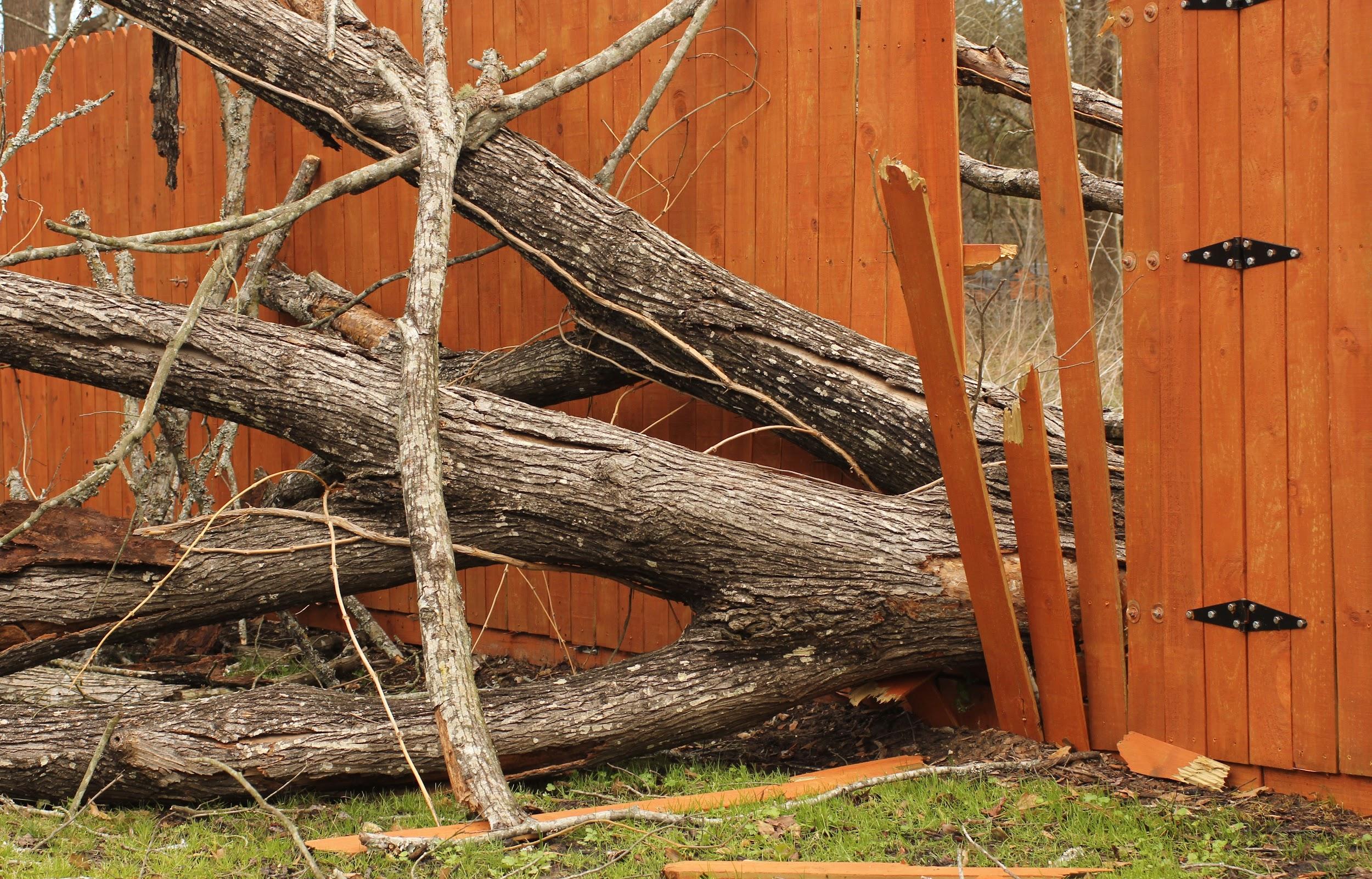
News / Loss Payee in Insurance: Definition, Role & Key Differences
Loss Payee in Insurance: Definition, Role & Key Differences
A commercial bank finances $250,000 in manufacturing equipment for a metal fabrication shop and requires the borrower to carry property insurance. The borrower purchases a policy with adequate coverage limits but never adds the bank as loss payee on the declarations page.
Six months later, a fire destroyed the fabrication shop and all the financed equipment. The insurance company cuts a $220,000 check made payable only to the business owner, who deposits it and disappears. The bank has zero claims to this check because they weren’t listed as loss payee, leaving them holding a loan secured by equipment that no longer exists.
Loss payee designations protect lenders, leasing companies, and equipment financiers from exactly these scenarios by ensuring they receive insurance claim payments first when financed property gets damaged or destroyed. Without this protection, borrowers can pocket insurance proceeds instead of replacing damaged collateral or paying down loan balances.
This guide explains what loss payee means in insurance, how loss payee clauses work in property policies, and the critical differences between loss payee, additional insured, lienholder, and certificate holder designations. You’ll learn when lenders need standard versus enhanced lender’s loss payable protection, common scenarios that require loss payee status, and how to verify loss payee designations actually protect your collateral when claims occur.
What Is a Loss Payee in Insurance?
A loss payee is a third party with financial interest in insured property who receives insurance claim payments first when covered losses occur. This designation protects entities that financed, leased, or hold security interests in property owned by someone else. Loss payees can’t be added randomly to policies. They must have insurable interest, which means financial loss would occur if the property gets damaged or destroyed.
Common loss payees include:
- Commercial lenders financing equipment purchases
- Leasing companies providing vehicles or machinery
- Equipment finance companies
- Mortgage lenders holding liens on commercial property
The equipment finance industry expanded to $1.34 trillion in 2023, with 82% of end-users using some form of financing for equipment and software acquisitions. About 57.7% of all $2.3 trillion in equipment and software investment gets financed, creating millions of scenarios where loss payee designations protect lenders.
Here’s how loss payee status works in practice:
- A bank finances a $75,000 delivery truck for a catering business
- The bank requires the business to carry commercial auto insurance naming the bank as loss payee
- Six months later, the truck gets totaled in an accident
- The insurance company cuts a $70,000 check (the truck’s actual cash value) made payable to the bank first
- The bank applies $60,000 toward the outstanding loan balance
- The bank releases the remaining $10,000 to the catering business
Without loss payee designation, the insurance check goes entirely to the business owner, who might keep the money instead of paying off the loan, leaving the bank with a worthless damaged truck as collateral.
Commercial and multifamily mortgage debt reached $4.79 trillion at the end of 2024, up 3.7% from 2023, with commercial banks holding 38% of total mortgages at $1.8 trillion. This massive lending volume creates enormous exposure for lenders whose collateral could be damaged or destroyed without proper loss payee protection or borrower insurance policies.
How Loss Payee Works in Property Insurance
Loss payee designation follows a specific process from loan origination through claim payment, protecting lenders from scenarios where borrowers might misuse insurance proceeds or allow coverage to lapse. Lenders require loss payee status because financed property serves as collateral securing the loan. Without this protection, damaged or destroyed collateral leaves lenders holding worthless assets while borrowers still owe full loan balances.
Here’s how loss payee works in property insurance:
1. Lender Requires Loss Payee Status as Loan Condition
The loan agreement or lease contract specifies that the borrower must carry property insurance with specific coverage amounts and name the lender as loss payee on the policy declarations page. This requirement usually appears in the insurance clause of financing documents before any money changes hands.
2. Borrower Adds Lender to Property Insurance Policy
The borrower contacts their insurance agent and requests the lender be added as loss payee, providing the lender’s exact legal name and mailing address. The insurer adds this designation to the policy declarations page and issues updated documentation showing the loss payee listing.
3. Covered Loss Occurs to Financed Property
Fire damages a financed commercial building. A financed delivery van gets stolen. Financed restaurant equipment gets destroyed in a kitchen fire. Any covered peril damaging or destroying the financed property triggers the loss payee’s rights to claim proceeds.
4. Insurer Notifies Loss Payee of Claim
When the policyholder files a claim for damage to property with a loss payee designation, the insurance company typically notifies the loss payee that a claim has been filed. This notification allows the lender to monitor the claim and protect their financial interest throughout the settlement process.
5. Payment Issued to Loss Payee First
The insurance company determines the actual cash value or replacement cost of the damaged property and issues payment. Depending on the loss type and insurer practices, the check may be made payable directly to the loss payee or jointly to both parties. Either way, the loss payee has priority, so they apply funds to the outstanding loan balance first and then release any remainder to the policyholder.
Payment amounts get determined by the policy’s valuation method and the loss payee’s financial interest at the time of loss. If a $100,000 piece of equipment suffers $80,000 in damage and the outstanding loan is $60,000, the loss payee receives $60,000 and the policyholder receives $20,000. If the loan balance exceeds the damage amount, the loss payee receives the full insurance payment.
More than half of equipment acquisitions were financed in 2024, with eight out of 10 businesses using leases, secured loans, or lines of credit for their acquisitions. This widespread use of equipment financing makes loss payee designations extremely important for protecting trillions in outstanding loans across industries.
Loss Payee vs. Additional Insured vs. Lienholder vs. Certificate Holder
Business owners frequently confuse these four insurance designations because all involve third parties listed on insurance policies. However, each protects different interests, applies to different coverage types, and provides distinct rights when claims happen. Understanding the differences between additional insured, named insured, and certificate holder is critical for proper risk management.
The confusion stems from overlapping terminology that sounds similar but means completely different things in practice:
| Designation |
Loss Payee |
Additional Insured |
Lienholder |
Certificate Holder |
| What It Protects |
Lender’s financial interest in financed property |
Third party’s liability from named insured’s operations |
Legal ownership/security interest in property |
Nothing; informational only |
| Insurance Type |
Property insurance only |
Liability insurance only |
Can apply to property or auto |
Any insurance type |
| Payment Rights |
Receives claim payments first up to loan balance |
No direct payment rights; gets defended in lawsuits |
No automatic payment rights unless also loss payee |
Zero payment rights |
| Coverage Extension |
No coverage extension, just payment priority |
Actually extends liability coverage to protect them |
No coverage extension; establishes legal interest |
Zero coverage extension |
| Cost to Add |
Usually free |
Typically adds premium cost |
Usually free |
Free |
Loss payee status applies exclusively to property insurance policies covering physical assets like buildings, equipment, or vehicles. When property gets damaged or destroyed, the loss payee receives insurance claim payments before the policyholder, up to the amount of their financial interest.
This designation doesn’t extend any coverage. The policyholder’s property insurance already covers the financed asset. Loss payee status simply redirects who receives payment when claims get filed. A bank financing restaurant equipment has no rights under the policyholder’s general liability insurance even if listed as loss payee on the property policy.
Loss payee protection ends when the loan gets paid off or the financial interest ends. Once the borrower pays the final loan payment, the lender no longer has insurable interest and should be removed as loss payee.
Additional insured status applies only to liability insurance policies, most commonly commercial general liability. This designation actually extends the policyholder’s liability coverage to protect the additional insured party from claims arising out of the named insured’s work or operations.
When someone sues an additional insured for damages caused by the named insured’s work, the named insured’s liability insurance defends the additional insured and pays settlements or judgments. This extends real coverage, not just payment priority. A general contractor added as additional insured on a subcontractor’s liability policy gets defended and indemnified when claims arise from the subcontractor’s faulty work.
Additional insured status doesn’t provide any rights to property insurance claim payments. The designation protects against liability claims only, not physical damage to property.
Lienholder represents a legal relationship, not an insurance designation. A lienholder is an entity holding a lien or legal claim against property as security for a debt. Banks, finance companies, and equipment lessors become lienholders through loan agreements or leases.
Lienholders typically require borrowers to carry insurance and often get added as both lienholder and loss payee. The lienholder status establishes their legal right to require insurance. The loss payee designation gives them actual payment rights under the policy.
Being listed as lienholder alone doesn’t guarantee insurance payment rights. The entity must also be designated as loss payee on the policy declarations page to receive claim proceeds.
Certificate holder status provides zero insurance coverage and zero claim payment rights. Certificate holders simply receive copies of certificates of insurance for informational purposes. This designation exists only to distribute proof of insurance to parties who requested it.
Every insurance certificate includes disclaimer language stating, “This certificate is issued as a matter of information only and confers no rights upon the certificate holder.” Being listed as a certificate holder doesn’t protect anyone from anything. It’s purely administrative.
Nearly eight in 10 businesses use financing to acquire equipment, with leasing accounting for 26% of acquisitions, secured loans for 19%, and lines of credit for 17%. This widespread financing creates millions of scenarios where lenders need loss payee protection, not just certificate holder status that provides no actual rights when financed property gets damaged.
Types of Loss Payee Clauses
Not all loss payee designations provide equal protection. Insurance policies use two distinct types of loss payee clauses that create vastly different rights when borrowers commit fraud, violate policy terms, or allow coverage to lapse. Lenders choosing the wrong clause type can lose their entire financial interest in collateral despite being listed as loss payee on the policy.
Standard Loss Payable Clause
Standard loss payable clauses provide basic protection by designating the lender to receive claim payments first. The loss payee’s rights under this arrangement depend entirely on the policyholder maintaining valid coverage and complying with all policy terms and conditions.
Standard loss payable clauses expose lenders to several risks:
- Borrower fraud voids coverage: If the borrower commits fraud during the insurance application, intentionally causes damage to financed property, or violates policy conditions like maintaining required safety equipment, the insurance company can deny the entire claim. When the insurer denies the policyholder’s claim, the loss payee also loses their right to payment.
- No independent notification: The loss payee receives no notification when borrowers fail to pay premiums or request policy cancellations. Coverage can lapse without the lender knowing until they try to file a claim on damaged collateral and discover that no active policy exists.
- Dependent rights only: The loss payee’s protection exists only as long as the borrower maintains coverage. Any action that voids the policyholder’s coverage also eliminates the loss payee’s rights.
This clause works effectively for lower-risk lending scenarios where borrowers have strong credit histories, stable businesses, and lower loan amounts. Equipment financing under $50,000 with established customers often uses standard loss payable clauses because the administrative cost of enhanced protection doesn’t justify the minimal additional risk.
Lender’s Loss Payable Clause (Enhanced Protection)
Lender’s loss payable clauses provide superior protection through “separation of interests” language that treats the lender as if they purchased their own separate insurance policy on the financed property. This enhanced protection shields lenders even when borrower actions would normally void coverage.
The separation of interests provision protects lenders from:
- Borrower fraud
- Misrepresentation
- Intentional damage
- Failure to comply with policy conditions
- Any act that would deny claims under standard policies.
If the borrower commits arson to collect insurance money, the lender’s loss payable clause still protects the lender’s financial interest up to the outstanding loan balance.
Lenders gain independent claim rights, allowing them to file claims directly with the insurance company without requiring borrower cooperation. This is extremely important when borrower-lender relationships deteriorate or borrowers disappear after damaging financed property.
Insurance companies must notify lenders of policy changes, non-renewals, or cancellations under the lender’s loss payable provisions, typically providing 30 days notice for cancellations and 10 days for non-payment of premiums, though specific timeframes vary by policy and state. This notification requirement allows lenders to cure defaults by paying premiums themselves or requiring borrowers to obtain replacement coverage before gaps expose collateral.
Lender’s loss payable endorsements may increase insurance premiums, though many insurers include this protection at no additional cost. When charges apply, insurers justify them based on accepting substantially more risk by protecting lenders regardless of borrower misconduct. However, this cost represents a fraction of potential losses on high-value loans where borrower fund or coverage gaps could cost lenders hundreds of thousands in uninsured collateral damage.
Here’s what each clause type protects against:
| Risk |
Standard Loss Payable |
Lender’s Loss Payable |
| Borrower fraud or misrepresentation |
✗ Loss payee loses rights |
✓ Lender still protected |
| Intentional damage by borrower |
✗ Claim denied for both parties |
✓ Lender’s interest covered |
| Policy violations by borrower |
✗ Coverage void for loss payee |
✓ Lender maintains rights |
| Failure to pay premiums |
✗ No notification to loss payee |
✓ Lender notified before cancellation |
| Policy cancellation |
✗ Loss payee learns at claim time |
✓ 30-day advance notice required |
Common Scenarios Requiring Loss Payee Status
Loss payee designations protect lenders across virtually every type of asset financing, from $10,000 office equipment leases to $50 million commercial property mortgages. Each financing scenario creates specific collateral risks that loss payee status addresses by confirming lenders can recover their investment when financed assets get damaged or destroyed.
Businesses finance construction equipment like:
- Excavators
- Bulldozers
- Manufacturing machinery like CNC machines and industrial presses
- Restaurant equipment like commercial ovens and refrigeration systems
The global construction equipment finance market reached $142.8 billion in 2024 and is projected to hit $238.6 billion by 2034, with leasing accounting for 42% of market share.
Loss payee status matters because equipment operates in high-risk environments where fire, theft, and collisions constantly threaten assets securing six-figure loans. Lenders typically include:
- Property insurance with replacement cost coverage equalling the full loan amount
- Lender named as loss payee with lender’s loss payable clauses for loans exceeding $100,000
- Comprehensive coverage including theft, vandalism, and physical damage
- Continuous coverage verification throughout the loan term
Without loss payee designation, borrowers receive insurance checks after equipment losses and might pocket the money instead of replacing damaged collateral or paying down loan balances.
Lenders finance delivery trucks for logistics companies, fleet vehicles for service businesses, and work vans for contractors. Banks accounted for 59% of equipment financing volume in 2023, with roughly three-quarters attributed to the end user’s primary bank, while manufacturers and vendors accounted for 17% and independent lenders 15%.
Loss payee status protects lenders from total loss scenarios where vehicles get stolen, wrecked beyond repair, or destroyed in fires. Coverage requirements usually include comprehensive and collision coverage with actual cash value or stated value matching outstanding loan balances.
Without loss payee protection, borrowers receive total loss payments and can walk away from loans while keeping insurance proceeds, leaving lenders with no collateral and no recovery.
Commercial Property Mortgages
Office buildings, retail spaces, warehouses, and industrial facilities get financed through commercial mortgages requiring property insurance with loss payee designations. Total commercial real estate mortgage lending reached $498 billion in 2024, a 16% increase from $429 billion in 2023, with commercial mortgage bankers closing $411 billion in loans, representing a 34% increase from 2023.
Loss payee matters because commercial properties face fire, wind, flood, and other perils that can destroy millions in collateral securing loans. Lenders require property insurance with replacement cost coverage, business income coverage, and lender’s loss payable endorsements securing payment even when borrowers violate policy terms.
Without proper loss payee clauses, lenders risk losing their entire secured interest when properties burn down and borrowers fail to rebuild or default on loans.
Office equipment leases covering copiers and computers, technology leases for servers and networking gear, and specialized tools like medical equipment or scientific instruments all require loss payee protection. Leasing companies retain legal title while customers use equipment, creating scenarios where lessees might damage or destroy equipment in which the lessor maintains financial interest requiring protection.
Typical lease requirements include:
- Property insurance covering the equipment’s full replacement value
- Lessor named as loss payee (not just additional insured)
- Coverage for all risks, including accidental damage
- Proof of continuous coverage throughout the lease term
Without this protection, lessees receive insurance payments for damaged leased equipment they never owned, while lessors lose both the equipment and any remaining lease payments.
The U.S. Small Business Administration (SBA) supported 103,000 financings in FY 2024, the highest level since 2008, delivering $56 billion in total capital, representing a 22% increase over FY 2023. Government-backed financing requires lenders to maintain loss payee status on all financed assets to protect both the lender and the SBA’s guarantee.
SBA loan agreements mandate specific insurance requirements, including property coverage on all collateral, lender’s loss payable endorsements for loans exceeding certain thresholds, and continuous coverage verification throughout the loan term.
Without proper loss payee protection, lenders risk losing SBA guarantee eligibility when uninsured losses damage collateral securing government-backed loans.
What Loss Payee Status Doesn’t Cover
Loss payee designations provide specific protections for lenders with financial interests in financed property, but these protections have clear limitations that expose lenders to risks many don’t recognize until filing claims. Understanding what loss payee status doesn’t cover prevents lenders from assuming they have protection in scenarios where they’re actually exposed to uninsured losses.
Loss payee limitations include:
- Doesn’t extend to liability claims: Loss payee status applies exclusively to property insurance covering physical damage to financed assets. If the borrower’s operations cause bodily injury or property damage to third parties, the loss payee has zero rights under the borrower’s general liability insurance. A lender financing delivery trucks gets no protection when the borrower’s driver causes a multi-vehicle accident injuring others.
- Doesn’t give control over the policy: Being named as a loss payee doesn’t grant lenders the right to change coverage amounts, add or remove coverages, or cancel policies. Only the named insured who pays premiums controls these decisions. Lenders can’t prevent borrowers from reducing coverage below loan balances, creating gaps that expose lenders to uninsured losses.
- Doesn’t cover property without financial interest: Loss payee rights extend only to property securing the lender’s loan. A bank financing restaurant kitchen equipment has no claim to insurance proceeds when the borrower’s dining room furniture gets damaged, even if both are covered under the same property policy.
- Doesn’t guarantee payment if claims get denied: Even with loss payee status, insurers can deny claims for legitimate coverage reasons like excluded perils or maintenance-related failures. A lender financing a building has no recovery when flood damages the property but the borrower never purchased flood insurance. Under standard loss payable clauses, lenders also lose rights when borrowers violate policy terms, though lender’s loss payable clauses protect against borrower misconduct.
- Doesn’t replace verification of adequate limits: Loss payee designation without adequate coverage limits leaves lenders exposed to partial losses. A lender holding a $500,000 loan on equipment insured for only $300,000 receives a maximum of $300,000 even as a loss payee. Lenders must verify coverage limits meet or exceed outstanding loan balances.
- Doesn’t protect against policy lapses under standard clauses: Standard loss payable clauses provide no notification when borrowers fail to pay premiums or cancel policies. Lenders discover coverage lapsed only when filing claims on damaged collateral and learning no active policy exists. Only lender’s loss payable clauses include mandatory cancellation notification.
- Doesn’t create coverage for excluded perils: Loss payee status doesn’t override policy exclusions or create coverage that doesn’t exist. If the property policy excludes earthquake damage and an earthquake destroys financed property, the loss payee receives nothing regardless of their designation. Lenders must verify borrowers purchase coverage for all relevant perils.
How to Add a Loss Payee to Insurance Policies
Adding a loss payee to property insurance requires specific steps to ensure lenders receive proper protection and claim payment rights. Mistakes in this process create gaps where lenders think they have protection but insurers refuse to pay claims because of incorrect designations, missing endorsements, or incomplete documentation.
1. Obtain the Lender’s Exact Legal Name and Address
Request the lender’s complete legal entity name as it appears on loan documents, not shortened versions or doing-business-as names. Get their full mailing address for claim notifications, including any specific department or loan servicing information. Banks often have multiple entities and addresses, so verify you’re using the correct one for the specific loan.
2. Contact Your Insurance Agent or Carrier
Notify your insurance agent that you need to add a loss payee to your property insurance policy. Provide the loan details, including the financed property description, loan amount, and lender contact information. Request this addition before finalizing loan agreements, as most lenders won’t fund loans without proof of loss payee designation.
3. Request Loss Payee Endorsement on Declarations Page
Ask the agent to add the lender as a loss payee on the policy declarations page, not just as certificate holder. The declarations page should follow ACORD standard forms. Certificate notations about loss payees mean nothing without the actual loss payee endorsement attached to the policy.
4. Specify the Type of Loss Payee Clause Required
Tell your agent whether the lender requires standard loss payable or lender’s loss payable protection. Many lenders specify the exact clause type in loan agreements. If your lender requires lender’s loss payable but your agent adds standard loss payable, you’re not meeting loan requirements and may face funding delays.
5. Provide Proof to Lender That They’re Added
Send the lender copies of the updated declarations page showing their loss payee designation along with a certificate of insurance. Don’t send only the certificate; lenders need the actual endorsement proving they’re added to the policy.
6. Verify Annually That Designation Remains Active
Check each policy renewal to confirm the loss payee designation carries forward to the new policy period. Insurance companies sometimes drop loss payees during renewals, especially when switching carriers or making policy changes. Request updated declarations pages annually proving continuous loss payee status.
Borrowers must provide proof of continuous coverage throughout the entire loan term, not just at origination. Lenders require annual insurance certificate updates, declarations pages showing loss payee designations, and immediate notification of policy changes.
When borrowers fail to maintain required coverage, loan agreements authorize lenders to purchase force-placed insurance at the borrower’s expense. Force-placed insurance typically costs 2–10 times more than borrower-obtained coverage and provides only basic property protection with no liability coverage.
Lenders add force-placed premiums to loan balances, and repeated coverage lapses often trigger loan default provisions allowing lenders to accelerate payment or foreclose on collateral. This expensive consequence motivates borrowers to maintain continuous coverage with proper loss payee designations rather than allowing policies to lapse.
Evidence of Property Insurance Forms: ACORD 27 vs ACORD 28
Loss payee designations don’t appear on certificates of liability insurance. Property insurance coverage requires different documentation that shows building coverage, contents protection, and who receives claim payments when property gets damaged or destroyed.
ACORD 27 Evidence of Property Insurance
ACORD 27 forms document property insurance for general commercial property coverage. Landlords request ACORD 27 forms from tenants to verify coverage on leased buildings or tenant improvements. Equipment lessors use ACORD 27 to confirm lessees carry insurance on leased equipment with the lessor named as loss payee.
The form shows:
- Building coverage amounts
- Business personal property limits
- Equipment and contents coverage
- Loss payee and mortgagee destinations
- Policy effective dates and renewal information
- Deductible amounts
- Special provisions or endorsements
ACORD 27 works for straightforward property insurance verification where detailed mortgage information isn’t required. Use this form when the primary concern is confirming property coverage exists and loss payees are properly designated.
ACORD 28 Evidence of Commercial Property Insurance
ACORD 28 forms provide more detailed property insurance documentation specifically designed for commercial real estate financing. Lenders acquire ACORD 28 for commercial mortgages, construction loans, and significant real estate transactions where comprehensive coverage details matter.
The form includes everything on ACORD 27 plus:
- Detailed mortgage information with loan numbers
- Building valuation and insured values
- Coinsurance percentages
- Replacement cost versus actual cash value specifications
- Business interruption coverage amounts
- Additional coverages like equipment breakdown or ordinance and law
ACORD 28 serves commercial mortgage lenders who need extensive property insurance documentation. Banks financing commercial real estate require ACORD 28 rather than ACORD 27 because the form provides mortgage-specific information, including loan numbers, coinsurance percentages, and valuation specifics that ACORD 27 doesn’t capture.
Loss Payee vs. Mortgagee Designations
Both ACORD 27 and ACORD 28 forms include separate fields for loss payee and mortgage designations. These aren’t interchangeable terms, though they often refer to the same lender entity:
- Loss Payee: Entity with financial interest in property who receives insurance claim payments. Loss payees can be equipment lessors, lenders, or anyone with insurable interest in the covered property. The designation focuses on who gets paid when claims occur.
- Mortgagee: Lender who holds a mortgage on real property. Mortgagees are a specific type of loss payee with mortgage loan documentation securing their interest. The designation establishes the mortgage relationship and often includes additional rights like mandatory policy cancellation notices.
- Lender’s Loss Payable: Enhanced protection providing “separation of interests” that shields lenders even when borrowers violate policy terms. Lender’s loss payable endorsements create superior rights beyond standard loss payee or mortgage designations.
A bank financing commercial real estate appears as mortgagee on ACORD 28 forms, which establish both the mortgage relationship and claim payment rights for the real property. If the same lender also financed equipment or personal property covered under the policy, they would additionally appear as a loss payee for those assets. Equipment financing companies appear only as loss payees since no mortgage exists on movable property.
Loss Payee Requirements in Loan Agreements
Loan agreements include specific insurance clauses requiring borrowers to maintain property insurance with loss payee designations protecting the lender’s collateral interest. These requirements vary by loan type, asset class, and loan amount but follow common patterns across commercial lending.
Lenders typically require coverage amounts equaling or exceeding the outstanding loan balance, ensuring insurance proceeds fully cover the lender’s financial interest when losses occur. Equipment loans require property insurance with limits matching the financed equipment’s replacement cost. Commercial mortgages require property insurance covering the building’s full insurable value, which must equal or exceed the loan amount.
Standard loan agreement insurance requirements include:
- Coverage limits: Policy limits must equal or exceed the outstanding loan balance at all times.
- Loss payee clause type: Standard loss payable for lower-risk loans, lender’s loss payable for loans exceeding $100,000 or high-risk borrowers
- Notification requirements: 30-day notice of any policy changes, cancellations, or carrier switches
- Annual proof of coverage: Updated certificates and declarations pages showing continuous loss payee designation
- Acceptable carriers: Insurance companies with minimum financial strength ratings (typically A- or better)
The loss payee clause type gets specified in loan documents based on risk assessment. Loans exceeding $100,000, high-risk industries, or borrowers with marginal credit typically mandate the lender’s loss payable clauses, providing enhanced protection against borrower fraud or policy violations.
Twenty percent of the $4.8 trillion in outstanding commercial mortgages will mature in 2025, totaling $957 billion and representing a 3% increase from $929 billion that matured in 2024, with $452 billion of mortgages serviced by depositories maturing. This massive refinancing volume creates millions of scenarios where lenders must verify that borrowers maintain continuous loss payee designations through loan payoffs.
Verifying Loss Payee Designations on Insurance Certificates
Lenders rely on insurance certificates to verify borrowers maintain required coverage with proper loss payee designations. Certificates provide valuable information but don’t guarantee protection. Lenders who discover verification failures only when filing claims on damaged collateral face real losses on assets they assumed were insured. Learn how to properly request certificates from vendors so you receive complete documentation.
Why Loss Payee Verification Matters
Verification failures create exposure points where lenders lose protection without knowing gaps exist until claims get denied:
- Borrowers add wrong lender names: Variations, abbreviations, or misspelled entity names invalidate loss payee designations entirely. “First National Bank” versus “First National Bank of Commerce” or “FNB” creates separate entities in insurance systems. One letter difference means the insurer pays nobody.
- Loss payee removed during policy changes: When borrowers switch carriers, adjust coverage, or make policy modifications, loss payee designations frequently drop off renewed or amended policies. The lender remains listed on the old canceled policy but disappears from the new active coverage.
- Policies expire without maintaining designation: Annual renewals don’t automatically carry forward loss payee information. Insurance companies need explicit instructions to include loss payees on renewal policies. Borrowers forget this all the time.
- Coverage amounts reduced below loan requirements: Borrowers facing premium increases reduce policy limits to save money, dropping coverage below outstanding loan balances. The lender stays listed as loss payee on a policy with inadequate limits to cover their full financial interest.
What Lenders Should Verify on Certificates
Effective verification requires checking specific elements against legal requirements:
- Loss payee listed on declarations page: The lender must appear as loss payee on the actual policy declarations page, not just mentioned in certificate notes. Certificate notations about loss payees do not carry the same legal weight as the underlying endorsement.
- Lender’s correct mailing address: The certificate needs the lender’s proper mailing address for claim notifications. Wrong addresses delay or prevent insurers from notifying lenders about claims, policy changes, or cancellations.
- Policy limits meet or exceed loan balance: Coverage limits must equal or exceed the current outstanding loan amount. Partial coverage leaves lenders exposed to the difference between policy limits and actual losses.
- Coverage effective dates extend through the loan term: Policy effective dates must cover the current date and extend forward with no gaps between expiration and renewal. Expired policies provide zero protection regardless of loss payee designation.
- Type of loss payee clause specified: Many certificates don’t specify whether borrowers have standard loss payable or lender’s loss payable protection. Lenders need actual endorsement copies to verify the protection level.
Protect Your Collateral Before Losses Wipe Out Your Loan Portfolio
Loss payee designations separate lenders who recover their investments from those who absorb total losses on damaged collateral. Fire destroys financed equipment. Theft wipes out a fleet of leased vehicles. Hurricanes flatten mortgaged buildings. Without proper loss payee status, insurance checks go entirely to borrowers who pocket the money and default on loans.
Loss payee applies only to property insurance and grants claim payment rights. Additional insured extends liability coverage, not property protection. Lienholder establishes legal ownership but provides no automatic insurance benefits. Certificate holder means nothing and creates zero enforceable rights. Confusing these designations costs lenders millions when they assume protection exists where it doesn’t.
Certificate tracking software like CertFocus by Vertikal RMS helps businesses track insurance requirements across their entire financing portfolio, verifying that policies maintain proper loss payee designations, coverage limits meet lender minimums, and renewals happen before gaps expose you to force-placed premiums. Stop scrambling to prove compliance at renewal time or discovering coverage gaps after lenders threaten default action.
A loss payee is a third party with a financial interest in insured property who receives claim payments first when covered losses occur. Lenders, leasing companies, and equipment financiers typically become loss payees on borrower property insurance policies to protect their collateral.
Loss payee means the entity entitled to receive insurance claim proceeds before the policyholder because they have insurable interest in the property. The term designates who gets paid first when financed property gets damaged or destroyed.
Loss payees receive property insurance claim payments first. Additional insureds get liability coverage protection from claims arising from the named insured’s work. Loss payee applies to property insurance only, while additional insured applies to liability insurance only.
No. A lienholder holds legal ownership interest in property as loan security. A loss payee receives insurance claim payments. Lienholders often require being added as loss payees, but the lienholder designation alone doesn’t provide claim payment rights.
When covered losses damage financed property, insurers notify the loss payee and issue claim payments to them first, up to their financial interest. The loss payee applies proceeds toward the outstanding loan balance, then releases any remainder to the borrower.
No. Adding a loss payee typically costs nothing because it doesn’t extend coverage or increase risk. It simply redirects existing claim payments. However, lender’s loss payable endorsements may increase premiums because they provide enhanced protection.
Loss payees with lender’s loss payable clauses can file claims directly without borrower cooperation. Standard loss payable clauses typically provide limited or no advance notification of policy changes or cancellations, though this varies by state regulations and policy language. Lender’s loss payable clauses specifically require advance notification as a core protection feature.
Wrong entity names, misspellings, or incorrect addresses delay or prevent claim payments to lenders. Insurers have no obligation to pay entities not properly designated as loss payees on policy declarations pages, leaving lenders without protection despite loan requirements.
Lenders should require lender’s loss payable for loans exceeding $100,000, high-risk borrowers, or industries with elevated fraud risk. This enhanced protection shields lenders even when borrowers commit fraud, violate policy terms, or allow coverage to lapse.
Ready to Rise Above Risk?
Reach out to discover how Vertikal RMS can help your organization implement an efficient and effective COI compliance tracking system.
Ready to Rise Above Risk?
Posted on February 17, 2026 by Matie Natov -

News / What is a Certificate of Insurance (COI)? Complete Guide 2025
What is a Certificate of Insurance (COI)? Complete Guide 2026
A certificate of insurance provides evidence that a business or individual has active insurance coverage. You may request and receive this document from an insurance provider to verify that specific policies exist and remain current. COIs protect companies from liability risk exposure when working with contractors, vendors, and service providers who could cause property damage or injuries during business operations. Construction had the most fatalities of any industry in 2023, with 1,075 of them according to the Bureau of Labor Statistics, showing why being properly insured is so important.
CertFocus by Vertikal RMS transforms traditional COI management with Hawk-I artificial intelligence technology that processes certificates within minutes rather than days. Unlike manual tracking systems that rely on spreadsheets and email follow-ups, automated COI platforms prevent coverage gaps and maintain continuous compliance across all vendor relationships. Our clients have gone from compliance in the low 40s to over 90% compliance after signing up for CertFocus by Vertikal RMS.
This guide covers everything from basic COI terminology to advanced digital management strategies that leading companies use in 2026.
What Is a Certificate of Insurance (COI)?
A certificate of insurance is a document showing evidence that a business or individual has active insurance coverage. You get this document from an insurance carrier, agent, or broker to verify that specific insurance policies exist and remain current. COIs are extremely important business documents that protect companies from liability risks when working with contractors, vendors and suppliers.
COIs are critical when you hire outside contractors for construction projects or engage vendors for professional and non-professional services. The certificate shows coverage types, policy limits, effective dates, and identifies who receives protection under the policy. Project managers use COIs to verify that subcontractors carry adequate insurance before allowing work to begin, which reduces the financial exposure for the hiring company.
CertFocus by Vertikal RMS transforms COI management through AI-powered automation, eliminating manual tracking tasks that consume hours of administrative time. Unlike traditional spreadsheet systems, CertFocus by Vertikal RMS processes certificates instantly using Hawk-I technology, alerting you before coverage expires and maintaining continuous compliance across all vendor relationships.
This commitment to automation and reliability reflects Vertikal RMS’s broader approach to customer service:
“At Vertikal RMS, we are dedicated to delivering service that exceeds expectations. Our focus is on consistency, reliability, and building trust, ensuring every customer experience is exceptional.”
— Rachel Crowe, Director of Customer Success, Vertikal RMS
What Does COI Stand For in Business?
COI stands for “Certificate of Insurance” in business terminology. This acronym is universally recognized across all industries as proof that a company or individual maintains active insurance coverage, though you’ll also run into variations like “cert of insurance” or simply “insurance certificate”. These documents contain specific information fields including policyholder details, coverage types, policy numbers, and effective dates.
Business professionals use COIs as risk management tools rather than actual insurance contracts. The certificate holder gains assurance that the named insured carries appropriate coverage for specific activities or locations. COI requests usually specify minimum coverage amounts, required endorsements, and naming requirements that vendors must meet before contract approval.
Certificate of Insurance vs. Insurance Policy
Certificates of insurance and insurance policies serve completely different purposes, though people mix them up constantly. An insurance policy is the actual legal contract between you and an insurance company that provides coverage and protection. The policy spells out what’s covered, what’s excluded, coverage limits, deductibles, and how claims get handled.
A certificate of insurance is a one-page summary document providing evidence that a policy exists. The certificate does not provide insurance protection itself. The policy is your actual coverage. The certificate just shows you bought it.
| Aspect |
Certificate of Insurance (COI) |
Insurance Policy |
| Purpose |
Proves evidence that coverage exists |
Provides actual insurance protection |
| Length |
Usually a one-page summary document |
Multi-page contract with detailed terms |
| Legal status |
Evidence of coverage only |
Legally binding insurance contract |
| Coverage details |
Basic information |
Complete terms and conditions |
| Claims authority |
Cannot be used directly for claims processing authority |
Governs all claim decisions |
| Modification rights |
Cannot change coverage |
Contains amendment procedures |
| Validity period |
Aligns with underlying insurance policies. |
Remains valid for the entire policy term |
| Cost |
Free or low cost |
Requires premium payment |
Certificates of insurance document existing coverage but don’t create new insurance protection. The actual insurance policy contains complete terms, conditions, exclusions, and coverage details that govern how all claims are handled. COIs only provide insurance information to show that coverage exists without revealing policy specifics or limitations.
This distinction creates significant business implications when companies incorrectly assume that having a COI means they have complete protection. For example, a construction company hiring a roofing contractor might receive a COI showing general liability coverage but remain unaware that the policy excludes work above three stories.
The certificate appears valid, while actual coverage gaps expose the hiring company to severe risks. CertFocus by Vertikal RMS addresses this challenge by automatically verifying coverage adequacy against requirements contained in underlying agreements.
When You Need a Policy vs. When You Need a Certificate
You need an insurance policy when you’re buying coverage to protect your own business from risks. Policies cover your operations, employees, vehicles, property, and liability exposures. Every business needs policies, and you can’t operate legally in most industries without required coverage like workers’ comp or commercial auto.
You need certificates of insurance when verifying that third parties carry adequate coverage:
- General contractors: Request certificates from subcontractors before allowing work to begin on job sites
- Property managers: Demand certificates from maintenance companies, cleaning services, and repair contractors working in buildings
- Event planners: Collect certificates from caterers, entertainers, equipment rental companies, and vendors before events
- Landlords: Require certificates from tenants and any contractors performing work on leased premises
- Procurement departments: Verify vendor insurance before approving contracts or purchase orders
You can’t substitute one for the other. A contractor can’t show you their policy instead of a certificate. You can’t buy a certificate instead of a policy.
Common Confusion: Why Certificates Aren’t Insurance
People think possessing a certificate means they have insurance coverage. Certificates provide zero protection. This confusion creates situations where businesses assume they’re protected from contractor liability when they have no coverage at all.
A property owner receives a certificate from a painting contractor showing $1 million in general liability coverage. The certificate lists the property owner as the certificate holder and mentions additional insured status. Three months later, the painter’s work causes water damage, resulting in $200,000 in repairs. When the property owner files a claim as additional insured, they discover the painter canceled their insurance two months ago, right after submitting the certificate.
The property owner assumed the certificate meant protection. But the disclaimer on every certificate explicitly states it “confers no rights upon the certificate holder” and “does not affirmatively or negatively amend, extend or alter the coverage afforded by the policies.”
Why certificates can’t be trusted as proof of current coverage:
- Coverage can cancel anytime: Insurers cancel policies for non-payment, misrepresentation, or other reasons without updating previously issued certificates.
- Policies expire and don’t renew: Contractors may fail to renew coverage, leaving certificates showing expired policies as current.
- Certificates show point-in-time status: A certificate dated January 15 shows coverage existed that day, not today.
- No update obligation exists: Insurance companies have zero obligation to notify certificate holders when policies cancel or change.
- Endorsements may not exist: Certificates claiming additional insured status don’t guarantee the actual endorsement was added to the policy.
Verifying policies remain active throughout project timelines matters more than collecting certificates at the start. CertFocus by Vertikal RMS monitors policy status continuously rather than relying on static certificates that could become outdated the day after issuance.
Understanding COI Acronyms and Terms
Certificate of insurance documentation uses specific terminology that affects compliance and risk management decisions. Without understanding these acronyms, you’ll have a hard time understanding what certificates mean and communicating requirements clearly with vendors. These are the top COI terms and acronyms you need to be familiar with:
- Certificate of Insurance (COI): The standard document that provides evidence that active insurance coverage exists for a specific business or individual.
- Additional Insured (AI): Coverage extension that protects named parties under someone else’s insurance policy.
- Waiver of Subrogation (WOS): Legal provision that prevents insurance companies from pursuing recovery against named parties after paying a claim.
- Primary and Non-Contributory (P&NC): Insurance language that makes the policy pay claims first without seeking contribution from other coverage sources.
- Commercial General Liability (CGL): Standard business liability coverage that protects against third-party bodily injury and property damage claims.
- Workers’ Compensation (WC): Mandatory coverage in most states that provides benefits for employee injuries that happen during work activities.
- Auto Liability (AL): Coverage for vehicle-related incidents that happen during business operations.
- Umbrella Coverage (UMB): Additional liability protection that extends beyond underlying policy limits.
Do I Need a Certificate of Insurance?
Businesses need certificates of insurance to protect themselves from financial liability when working with external parties. Without proper COI verification, companies expose themselves to potential lawsuits, property damage claims, and regulatory violations that can cost millions of dollars. Construction injuries cost $11.5 billion annually, according to the Bureau of Labor Statistics. Risk management professionals use COI as the first line of defense against contractor-related incidents.
Legal experts strongly advocate for COI verification as an essential risk management practice. Research from the American Bar Association emphasizes that proper certificate documentation is extremely important for assigning liability and verifying coverage, which protects businesses from unexpected exposure when working with contractors.
CertFocus by Vertikal RMS automates COI collection and verification, cutting administrative work in assuring that critical coverage requirements are met. The system tracks expiration dates automatically and sends renewal reminders, stopping coverage gaps that create liability exposure. These are some of the reasons why businesses need COIs:
- Liability transfer: COIs shift financial responsibility from your company to the vendor or contractor’s insurance carrier. For example, when a subcontractor causes property damage or injures someone on your project, their insurance handles the claim instead of your company bearing the cost.
- Contractual compliance: Most business contracts require specific insurance coverage before work begins. COIs provide documented proof that contractors meet these requirements, protecting you from breach of contract claims while maintaining project continuity.
- Regulatory compliance: Many industries mandate COIs for compliance with safety regulations and licensing requirements. Construction projects, healthcare facilities, and government contracts typically require verified insurance documentation before approving vendor relationships.
- Financial protection: COIs help prevent expensive project delays and legal disputes by confirming that a specific vendor has appropriate coverage before any problems arise. This proactive approach saves companies from pricey litigation and potential bankruptcy when major incidents happen.
Why Do Companies Require a Certificate of Insurance?
Companies require certificates of insurance to protect themselves from financial liability when contractors, vendors, or service providers work on their behalf. Without proper COI verification, businesses expose themselves to lawsuits, property damage claims, and regulatory violations that can cost millions of dollars. The certificate of insurance serves as documented proof that third parties carry adequate coverage before work begins. When backed by proper policy endorsements, this coverage transfers risk from your company to the contractor’s insurance carrier.
Protect Against Third-Party Liability Claims
When contractors cause injuries or property damage, lawsuits often name both the contractor and the hiring company as defendants. Without verified insurance coverage, the hiring company pays defense costs and settlements personally even when they didn’t directly cause the incident.
A subcontractor’s faulty electrical work causes a fire that injures building occupants. The injured parties sue the property owner, general contractor, and electrical subcontractor for damages. If the property owner verified the subcontractor’s policy included proper additional insured endorsements, the subcontractor’s insurance defends and pays the claim. Without this protection, the property owner’s insurance handles the entire claim or the owner pays personally.
Verify Contractual Compliance Before Work Begins
Most business contracts specify minimum insurance coverage requirements that contractors must meet before receiving work authorization. COIs provide documented proof that contractors carry the required coverage types and limits outlined in agreements.
Construction contracts typically require $1–2 million in general liability coverage, workers’ compensation as mandated by state law, and commercial auto liability for contractor vehicles. Requiring a certificate of insurance for business relationships confirms these minimums are met before projects start, preventing breach of contract claims and project delays from inadequate coverage.
Transfer Financial Risk to Insurance Carriers
The primary purpose of requiring COIs is verifying that contractors carry coverage structured to shift financial liability to their insurance carrier. When the underlying policy includes additional insured endorsements and primary and non-contributory language, the contractor’s insurance pays claims first without seeking contribution from your policy.
A contractor causes $500,000 in property damage during a renovation project. When the contractor’s policy includes an additional insured endorsement naming your company, verified through COI review and endorsement confirmation, the contractor’s insurance pays the claim, legal defense, and settlement costs. Your insurance never gets involved, protecting your loss history and preventing future premium increases. Without proper endorsements in place, your policy responds to the claim, or you pay personally.
Meet Regulatory and Licensing Requirements
Many industries mandate COI verification for compliance with safety regulations and licensing requirements. Construction projects, healthcare facilities, and government contracts require documented insurance verification before approving vendor relationships.
OSHA regulations and state laws often require proof of workers’ compensation coverage for all contractors working on job sites. Government contracts at federal, state, and local levels specify exact coverage requirements with certificates as mandatory documentation. Failure to verify can result in fines, license suspension, contract termination, or disqualification from future bidding opportunities.
Prevent Project Delays and Legal Disputes
Verified COIs before work starts prevent expensive discoveries mid-project when incidents reveal contractors have no insurance or inadequate coverage. Finding out a contractor lacks proper insurance after an injury or property damage occurs means immediate project shutdown, emergency coverage procurement, and potential lawsuits.
Proactive insurance verification confirming both certificates and actual endorsements saves companies from litigation costs and potential bankruptcy when major incidents happen. Companies with proper COI and endorsement tracking avoid the nightmare scenario where uninsured or underinsured contractor incidents drain company resources through unplanned legal defense and settlement payments.
What Information Is Included on a COI Form?
Certificate of insurance forms follow standardized formats that present coverage information in consistent locations. The ACORD 25 certificate serves as the industry standard, containing specific fields that insurance professionals and risk managers rely on to verify coverage. Learning about each section of the ACORD 25 form will help you spot potential gaps and confirm coverage meeting minimum requirements.
Policyholder and Certificate Holder Details
The policyholder section shows you who actually owns the insurance policies on the certificate. You’ll see their complete business name, address, and contact information there. Most COI forms put this information in the upper left corner and label it “Insured” or “Policyholder.”
You’ll find certificate holder details in the lower left section. This is you — the person or company receiving the certificate as proof of coverage. You don’t own the insurance, but you get peace of mind knowing the other party has active coverage. If you’re hiring a contractor, leasing property, or requiring insurance from a vendor or supplier, you become the certificate holder as indicated by the certificate holder section of the certificate form.
Getting these details right matters more than most people realize. Wrong names or addresses can kill your protection when you need it most. CertFocus by Vertikal RMS checks policyholder and certificate holder information against your requirements automatically, catching mistakes before they turn into coverage nightmares.
Insurance Coverage Types and Limits
This section shows you the meat of what you’re looking for: what types of insurance the contractor has and how much coverage they carry. You can see policy limits, deductible amounts, and whether the insured has enough protection to handle claims resulting from bodily injury and/or property damage resulting from their work.
- General liability coverage: Covers third-party injuries and property damage. Typically, commercial general liability policies (CGL) will provide limits between $1 million and $2 million per occurrence.
- Workers’ compensation: Pays for employee injuries as your state requires. Premiums are determined based on payroll and the risk associated with the underlying business activity.
- Commercial auto liability: Protects against vehicle accidents during business operations, usually requiring at least $1 million for contractor vehicles.
- Professional liability: Covers errors or omissions of professional service providers, with limit requirements varying depending on the industry and exposure level.
- Umbrella insurance: Adds extra liability protection above other policies, often $5 million to $25 million or more, depending on the size of the project and underlying level of risk.
Policy Dates and Certificate Expiration
Policy dates tell you exactly when coverage starts and stops for each type of insurance. You need to pay attention to these dates because they determine whether you have protection during the timeframe of the underlying agreement. Most certificates show you both when the policy starts and when it expires.
Critical Endorsements and Additional Insured Status
Endorsements change standard insurance policies to give you the specific protections your contract requires. It is important to verify that the supplier’s policy has been endorsed to establish insured status for your organization, which extends the contractor’s liability coverage to protect you against third-party claims, including the cost of defending against lawsuits resulting from the supplier’s underlying work.
Primary and non-contributory endorsements make the contractor’s insurance pay first without trying to seek coverage from your policy. Waiver of subrogation endorsements stop insurance companies from seeking compensation from you or your policy after they pay claims. CertFocus by Vertikal RMS automatically checks for these endorsements on every certificate that comes in when such endorsements are required. Without them, you might think you have protection, but find out during a claim that you’re on your own.
When Should You Request a Certificate of Insurance?
You should request a COI whenever you’re working with contractors, vendors, or service providers who could create a liability risk for your business. This includes construction work, property services, repair and maintenance activities, and other business activities performed under your agreements. Because this is such an important risk mitigation procedure, smart companies using best practices collect COIs as a standard part of their vendor onboarding process rather than waiting until problems happen.
Here are some situations when you’ll need to request a certificate of insurance:
- When hiring contractors: You should collect COIs before any contractor sets foot on your property or starts work. This protects you from liability if they cause resulting from injuries or property damage during the project.
- When working with vendors and suppliers: Request certificates when working with suppliers who deliver goods to your location or provide services on your premises. Their insurance should cover accidents that happen when they’re working at your facility.
- When signing property lease agreements: Landlords usually require tenant COIs to protect against liability claims. Tenants should also request certificates from service providers working in leased spaces.
- When planning events: Event organizers need COIs from caterers, entertainers, and equipment rental companies before events begin. Venue owners require certificates from event planners to protect against incidents during gatherings.
- When bidding on government contracts: Federal, state, and local government contracts almost always mandate specific insurance coverage with certificates as proof. You can’t bid on or execute these contracts if you cannot provide documentation showing your insurance coverages meet the minimum requirements for the government contract.
How Do I Get a Certificate of Insurance?
If you need to provide a certificate of insurance as proof of coverage to begin working on a project, then the first thing you need to do is contact your insurance provider and request it. The process usually takes a few minutes to complete once you know what information to provide. Most insurance companies have automated options for requesting and receiving certificates, making it convenient for busy business owners.
Obtaining a COI From Your Insurance Provider
Your insurance agent or broker can generate certificates immediately through their internal computer systems. You’ll need to provide the certificate holder’s name and address exactly as it appears in your contract requirements. Many agents keep commonly requested certificate holder information on file to speed up future requests.
Getting a Certificate of Insurance Online
Most businesses simply generate a certificate of insurance online through their insurer’s portal. All it takes is logging into your account, selecting the policies you need, and downloading the certificates instantly. You can easily generate multiple certificates with different holders without having to call your agent or wait for them to do it for you.
Third-party platforms also offer COI generation services, though you’ll want to verify that these certificates meet your requirements. Some platforms connect directly with insurance companies to pull current policy information, while others require manual data entry that could cause mistakes.
COI Request Process for Businesses
When you need certificates from vendors or contractors, follow this systematic approach to get the documentation you need without delay:
- Define your insurance requirements clearly: Specify coverage types, minimum limits, and required endorsements in your contracts before requesting certificates.
- Send a formal COI request with detailed specifications: Include your complete company name, address, and any special certificate holder language your contracts may require.
- Set clear deadlines for certificate delivery: Give contractors reasonable timeframes, but make certificate submission a requirement before work authorization.
- Review certificates immediately upon receipt: Check that coverage types, limits, dates, and endorsements match your requirements exactly. CertFocus by Vertikal RMS automates this entire review process by verifying compliance and catching missing endorsements that manual reviews often miss.
- Follow up on deficient or missing certificates: Contact contractors right away when certificates don’t meet specifications or fail to arrive by deadlines.
- Track expiration dates and request renewals: Keep an eye on certificate expiration dates. CertFocus by Vertikal RMS automates this tracking, sending renewal requests to ensure that there are no coverage gaps.
How To Request a COI From Vendors and Contractors
When you need certificates of insurance from vendors and contractors, you have to be specific about what you want. Don’t just make a general request — tell them exactly what coverage types, limits, and endorsements your contract requires. Setting clear expectations upfront prevents delays down the road and saves you from the endless back-and-forth communications that slow down your projects.
Here’s how to request certificates of insurance from your vendors and contractors:
- Include COI requirements in your initial contract or agreement: Specify the exact coverage types, minimum limits, and required endorsements that must be provided as evidence of coverage before work begins.
- Send written COI requests immediately after signing the contract: Don’t wait until the last minute to request certificates, as getting proper coverage to meet contract requirements can take some time.
- Provide your complete certificate holder information: Include your exact company name, address, and any special language required by your insurance or legal team.
- Set firm deadlines for certificate submission: Give contractors reasonable time but make certificate delivery a requirement before work authorization or payment.
- Specify acceptable delivery methods: Tell contractors the methods they may use to supply their COI, such as email or by online portal submission.
- Follow up on missing or incorrect certificates: Contact contractors immediately when certificates don’t arrive by deadlines or fail to meet your minimum requirements.
How To Write a COI Request Letter
When you write a COI request letter, you need to communicate your insurance requirements clearly so contractors understand exactly what documents you need. Your letter should include specific coverage details, deadlines, and consequences for non-compliance to prevent misunderstandings.
Follow these guidelines when writing a COI request letter:
- Start with a clear subject line: Use “Certificate of Insurance Request” or similar language to get immediate attention.
- State your relationship and project details: Explain why you need the certificate and reference the specific contract or work agreement.
- List exact coverage requirements: Specify minimum limits, coverage types, and required endorsements rather than using general language.
- Include your certificate holder information exactly: Provide your complete legal business name and address as they should appear on the certificate.
- Set a specific deadline for submission: Give a firm date for certificate delivery and explain the consequences for late submission, like halting or delaying work.
- Provide contact information for questions: Include phone numbers, email addresses, and a live chat option where contractors can reach you for clarification.
COI Request Letter Template
Subject: Certificate of Insurance Request – [Project Name/Contract Number]
Dear [Contractor Name],
As outlined in our contract dated [Date], you must provide a certificate of insurance before beginning work on [Project Description]. Please submit the required certificate by [Specific Date] to avoid project delays.
Required Coverage:
- General Liability: $1,000,000 per occurrence / $2,000,000 aggregate
- Workers’ Compensation: As required by state law
- Commercial Auto Liability: $1,000,000 combined single limit
- Additional Insured: [Your Company Name] must be named as additional insured
- Primary and Non-Contributory: Required for all liability coverages
Certificate Holder Information: [Your Complete Company Name] [Complete Address] [City, State, ZIP Code]
Please email the certificate to [Email Address] or mail it to the address above. Contact me at [Phone Number] with any questions about these requirements.
Work cannot begin until we receive and approve your certificate of insurance.
Sincerely,
[Your Name and Title]
How To Read and Verify a Certificate of Insurance
To read a COI, first check that the certificate holder section contains your exact company name, verify coverage dates overlap your project timeline, confirm required endorsements appear in the description section, and validate coverage limits meet contract requirements. We covered the basic sections earlier like policyholder details and policy dates, but now you need to know how to spot problems and verify the COIs you have collected are giving you the protection you need.
Here’s what to check for when reviewing a certificate of insurance:
- Check the certificate holder section first: Triple-check that your company name and address appear exactly as you specified in your contract requirements. Small spelling errors or abbreviations can kill your protection during claims.
- Verify coverage effective dates overlap your project timeline: Policies should start before your work begins and extend past project completion. Watch for gaps between policy renewal periods that could leave you unprotected.
- Confirm required endorsements appear in the description section: Additional insured status, primary and non-contributory language, and waiver of subrogation should be clearly stated, not just implied.
- Review coverage limits against your contract requirements: For each required coverage type, limits should meet or exceed your minimum requirements, including aggregate limits that apply to total claims during the policy period.
- Look for exclusions or limitations in the description section: Some certificates include language that limits coverage for specific activities or locations relevant to your project.
- Validate the certificate’s authenticity: Contact the insurance company directly if you have doubts about certificate validity, especially for high-risk projects or unfamiliar contractors. CertFocus by Vertikal RMS automatically flags suspicious documents to assist in identifying fraudulently issued COIs.
Common COI Problems To Look Out For
Even when contractors submit certificates on time, you might still face coverage problems that put your business at risk. These issues usually go unnoticed until claims happen, which would leave you exposed to liability you thought was covered. Catching these problems early saves you from expensive surprises down the road.
Here are the most common COI mistakes you need to watch for:
- Expired or outdated certificates: Contractors sometimes submit old certificates with expired coverage dates, hoping they won’t notice. Always check effective dates against your project timeline and current date.
- Insufficient coverage limits: Many certificates show coverage amounts below your contract requirements, leaving gaps in protection. Verify that each coverage type meets or exceeds your minimum limits before starting to work.
- Missing required endorsements: Certificates often lack additional insured status, primary and non-contributory language, or waiver of subrogation endorsements that your contracts require. These missing endorsements can eliminate your expected protection during claims.
Industries That Require COI Documentation
Certificate of insurance requirements span across numerous industries where businesses face liability risks from third-party services. Construction, property management, manufacturing, retail and transportation are some of the most common industries that need COI documentation, but many others also mandate insurance verification for vendor relationships.
Construction and General Contracting
Construction projects can create massive liability risks that make COIs extremely important for every contractor and subcontractor relationship. Research shows that three-quarters of construction projects experience delays, with inadequate documentation being a contributing factor. General contractors face potential claims for property damage, worker injuries, and third-party accidents that can cost millions of dollars, which is why construction contracts require specific coverage amounts and waiver of subrogation provisions before work begins.
STO Building Group, one of the largest general contractors in the United States, relies on CertFocus by Vertikal RMS to manage COI compliance across thousands of subcontractor relationships. The construction industry’s complex web of contractor relationships makes manual COI tracking nearly impossible, which is why automated systems have become standard practice for major construction companies. CertFocus by Vertikal RMS contains all components necessary to accurately track subcontractor insurance coverage and can be integrated with any construction management system.
Property Management and Real Estate
Property managers and real estate companies require COIs from maintenance contractors, cleaning services, landscaping companies, and tenant improvement contractors working in their buildings. These certificates protect property owners from liability claims arising from contractor activities on their premises. Lease agreements normally specify insurance requirements for both tenants and service providers.
Commercial real estate transactions include multiple parties that require insurance verification, like property managers, leasing agents, construction contractors, and facility service providers. CertFocus by Vertikal RMS tracks all these relationships automatically, sending renewal reminders before coverage expires and monitoring continuous compliance across property portfolios.
Delivery and Transportation Services
Companies using delivery and transportation services need COIs to protect against vehicle accidents and liability claims during transit. E-commerce businesses, retailers, and manufacturers usually require commercial auto liability coverage and general liability protection from their logistics and transportation partners. These requirements are especially important for high-value shipments or hazardous materials transport.
According to data from the Department of Transportation, the average cost of a truck accident is almost $150,000 in 2025 dollars, which could easily derail any project’s budget if not properly insured. Plus, delivery services operating on client premises face additional liability risks that require comprehensive coverage verification. Many companies now require real-time COI tracking for delivery partners to maintain continuous protection as coverage renews throughout the year. In support of this objective, CertFocus by Vertikal RMS is capable of reviewing COIs and updating COI compliance status immediately after receipt, utilizing its proprietary Hawk-I COI data extraction and review technology.
COI Forms and Documentation Requirements
Certificate of insurance documentation follows standardized formats that insurance companies and risk managers recognize across industries. The ACORD organization creates these standardized forms to maintain consistency in how coverage information is presented.
Here are the most common COI forms and documentation requirements:
- ACORD 25 Certificate of Liability Insurance: The standard form for general liability, auto liability, umbrella, and workers’ compensation coverage that most businesses require from contractors.
- ACORD 28 Evidence of Commercial Property Insurance: This is a specific form of property insurance coverage that lenders, landlords, and contract parties often require for real estate transactions.
- Additional insured endorsements: Separate documents that modify insurance policies to extend coverage to parties designated as additional insureds, often required alongside COI forms for comprehensive protection.
- Waiver of subrogation endorsements: Prevents insurance companies from pursuing recovery against certificate holders after paying claims.
- Primary and non-contributory endorsements: Documentation proving the contractor’s insurance pays first without seeking contribution from other coverage sources.
Certificate of Insurance vs. Evidence of Property Insurance
| Aspect |
Certificate of Insurance (COI) |
Evidence of Property Insurance |
| Primary Purpose |
Provides evidence that liability coverage exists |
Provides evidence that property coverage exists |
| What It Protects |
Third-party claims and lawsuits |
Physical assets and property damage |
| Coverage Types |
General liability, workers’ compensation, and auto liability |
Building, equipment, inventory, and business personal property |
| Who Requires It |
Contractors, vendors, and service providers |
Lenders, landlords, and equipment financiers |
| Risk Focus |
Liability and legal defense |
Property damage and business interruption |
| Common Form |
ACORD 25 Certificate of Liability Insurance Form |
ACORD 28 Evidence of Property Insurance Form |
| When Needed |
Before contractor work begins |
As part of real estate transactions, loan applications |
| Claims Protection |
Defends against third-party lawsuits |
Covers direct property losses |
| Typical Requesters |
General contractors and other businesses seeking to transfer risk under their agreements |
Banks, mortgage companies, and real estate lessors |
| Coverage Duration |
Project-specific or ongoing relationships |
Tied to loan terms or lease periods |
Certificates of insurance and evidence of property insurance serve different purposes and cover distinct types of risks. COIs typically document liability coverage like general liability, workers’ compensation, and auto insurance that protects against third-party claims. Evidence of property insurance shows coverage for physical property damage, theft, and business interruption losses.
Evidence of Commercial Property Insurance is especially important for real estate transactions and financing, as lenders or landlords require proof that physical assets are protected. This documentation shows coverage for buildings, equipment, inventory, and business personal property. COIs focus on liability protection that defends against lawsuits and third-party claims rather than property damage coverage.
The key difference lies in what gets protected, as COIs cover liability risks while Evidence of Commercial Property Insurance covers physical asset protection. Many contracts require both types of documents to address all potential risk exposures. CertFocus by Vertikal RMS tracks both the Certificate of Liability Insurance and the Evidence of Commercial Liability Insurance form types, preventing confusion between liability and property damage requirements.
COI Management Challenges in 2026
Certificate of insurance management faces new challenges as business relationships become more complex and regulatory requirements continue evolving. Remote work arrangements and cyber liability concerns create additional compliance burdens for risk managers. Traditional manual tracking methods can’t keep pace with these expanding requirements, and with the average cost of noncompliance reaching almost $15 million, it’s important to find a solution.
These are some of the biggest COI management challenges companies face in 2026:
- Increased cyber liability requirements: More contracts now require cyber liability coverage as data breaches become more common, but many contractors lack adequate protection or understanding of these requirements.
- Remote contractor verification: Work-from-home arrangements make it harder to verify that contractors maintain proper coverage when working from multiple locations outside traditional office settings.
- Rising insurance costs forcing coverage gaps: Economic pressures push some contractors to reduce coverage limits or cancel policies, creating hidden liability risks that traditional tracking methods miss.
- Multi-state compliance complexity: Companies expanding across state lines face varying insurance requirements and regulations that manual systems struggle to track accurately.
- Real-time verification demand: Clients increasingly expect instant confirmation of coverage status rather than waiting for manual review processes that can take days to complete. CertFocus by Vertikal RMS addresses this challenge through Hawk-I technology that processes and verifies certificates within seconds rather than hours or days.
How Automated COI Tracking Software Works
Automated COI tracking software relieves you of the tedious manual process of collecting, reviewing, and monitoring certificates with an automated system that saves time and reduces mistakes. These platforms connect directly with contractors and insurance providers to streamline certificate collection while maintaining continuous compliance management. That’s why these savings help justify the COI tracking software costs with a massively favorable ROI.
Automated Certificate Collection and Verification
Automated COI collection eliminates the back-and-forth emails and phone calls that traditionally slow down certificate gathering. Digital platforms send automated requests to contractors with specific requirements, deadlines, and submission instructions. Contractors can upload certificates directly through secure portals or email systems that automatically route documents for processing.
Verification happens instantly as the software extracts key information from uploaded certificates and compares it against your requirements. The system flags missing endorsements, insufficient coverage limits, or expired dates before certificates reach your desk. This automation reduces certificate processing times from days to seconds while catching errors that manual reviews can miss. A survey from Elastic found that 54% of office workers spend more time looking for documents than responding to emails, which becomes a thing of the past with automatic COI verification.
Automated follow-up sequences keep projects moving by sending reminder notices to contractors who haven’t submitted certificates by specified deadlines. CertFocus by Vertikal RMS handles these communications automatically, escalating reminders until certificates arrive or alternative actions become necessary.
AI-Powered Document Processing With Vertikal RMS
Half of all insurance companies have successfully cut costs thanks to AI software, according to a KPMG survey, showing how impactful new technology can be. CertFocus by Vertikal RMS integrates Hawk-I with artificial intelligence technology to process certificates of insurance with accuracy levels that exceed what a human can manually review. Hawk-I reads COIs, interprets complex endorsement language, and identifies coverage gaps that human reviewers commonly miss. This AI-powered approach processes certificates within seconds rather than the hours or days required for manual review.
The Hawk-I system learns from every certificate it processes, continuously improving its ability to identify problems and verify compliance. Unlike simple optical character recognition software, Hawk-I understands insurance terminology and can interpret variations in language that mean the same thing. This intelligence helps catch subtle issues like insufficient additional insured coverage or missing waiver of subrogation endorsements. Hawk-I is also capable of reading and validating free-form language added to the “Description of Operations” section of the COI.
Vertikal RMS clients see dramatic improvements in processing speed and accuracy compared to traditional methods. The system can handle peak volumes during busy renewal periods without requiring additional staff or creating processing delays.
Integration capabilities allow Hawk-I to work seamlessly with its customer’s internal project management systems, using APIs to update compliance status automatically as certificates get processed. This real-time integration keeps project teams informed about contractor compliance without requiring separate logins or manual status checks.
Real-Time Compliance Monitoring
Real-time compliance monitoring tracks certificate expiration dates and coverage changes throughout project lifecycles. The system sends alerts before certificates expire, giving you time to request renewals without creating coverage gaps. This proactive approach prevents the common problem of discovering expired coverage after incidents happen.
CertFocus by Vertikal RMS monitors compliance status continuously, not just when certificates get submitted initially. The platform tracks policy renewal dates and requests updated documentation automatically. You receive instant notifications when coverage lapses or changes that affect your protection levels.
Advanced monitoring includes quarterly verifications with insurance agents confirming that coverage remains active and in force throughout policy periods. This extra verification step catches cancellations that may occur during the policy period, providing an extra layer of protection for your business.
Most insurance companies provide certificates of insurance at no charge to their policyholders as part of standard customer service. You can generally request certificates through your agent, broker, or directly from the insurance company’s website without paying fees. Some insurance providers charge a small administrative fee of $10 to $25 per certificate for issuing certificates of insurance. These costs are minimal when considering the overall cost of obtaining insurance coverage.
While individual certificates cost nothing to obtain, managing hundreds or thousands of vendor certificates creates substantial hidden costs through staff time and compliance failures. CertFocus by Vertikal RMS pricing starts at $6–$8 per vendor annually for self-service or $13–$29 per vendor for full-service with expert reviews, costs that pay for themselves if they help you prevent a single liability incident from uninsured contractor work.
CertFocus by Vertikal RMS Pricing: Professional COI Management at Competitive Rates
CertFocus by Vertikal RMS breaks the assumption that professional COI management requires massive budgets by offering pricing that scales with your vendor count and service needs.
CertFocus Pricing Structure:
| Service Model |
Annual Minimum |
Per-Vendor Cost |
Key Benefits |
Implementation Fee |
| Self-Service |
$7,500 |
$6–$8 per vendor/year |
Hawk-I AI verification, unlimited users, automated workflows |
$3,500–$4,800 |
| Full-Service |
$10,000 |
$13–$29 per vendor/year |
Credentialed professionals (CIC, CPCU, CISR, CRIS), expert reviews, dedicated account managers |
$3,500–$4,800 |
| Vendor-Pay |
Varies |
$85–$150 per vendor/year |
Full-service management, costs transferred to suppliers |
$3,500–$4,800 |
Price-to-Performance Ratio
At $13–$29 per vendor annually for full-service, you get credentialed insurance professionals reviewing every certificate for less than most competitors charge for automated-only systems. One compliance manager costs $50,000–$70,000 per year and can’t handle more than a few hundred vendors. CertFocus scales to thousands with expert oversight at significantly lower costs.
Self-service starts at $6–$8 per vendor and undercuts basic platforms charging $15–$40 while including Hawk-I AI that processes certificates in seconds instead of requiring manual data entry. Most “cheap” COI software still demands hours of staff time verifying coverage manually.
Flexible Cost Models
Vendor-pay options let suppliers cover compliance costs entirely, eliminating your direct software expenses while maintaining professional COI management. Some clients split costs 50/50 with vendors while others pass 100% through depending on negotiating leverage and industry norms.
Bundle CertFocus by Vertikal RMS with PreQual by Vertikal RMS for discounts on combined vendor risk management that catches both insurance and financial problems through connected systems.
CertFocus by Vertikal RMS: Proven COI Management Results
COI collection is a cost-effective risk management strategy for any business working with outside contractors or vendors. With over two decades of market experience, CertFocus by Vertikal RMS has established itself as the industry leader in automated COI management. The platform serves 180+ customers with a 99% retention rate, demonstrating consistent value across organizations. Learn more about CertFocus by Vertikal RMS and see why it’s considered one of the best COI tracking software and service solutions.
Ready to Rise Above Risk?
Reach out to discover how Vertikal RMS can help your organization implement an efficient and effective COI compliance tracking system.
Frequently Asked Questions About Certificates of Insurance
When a COI expires, you have no evidence that valid coverage is in place to protect your organization from third-party risk caused by your business partners. Coverage expiration dates found on COIs should be actively monitored, and renewal certificates of insurance should be obtained in conjunction with expiration dates for all required policies. Renewal requests should be made in advance of all upcoming expiration dates to maintain continuous evidence of protection.
Often, you will be prohibited from performing business activities without submitting compliant COIs. To avoid possible interruption of your activities, you should diligently provide COIs for the current period that contain evidence of coverage and meet your contractual obligations when requested to provide them.
Most insurance companies can generate certificates within minutes to hours of your request. Simple requests through online portals are usually processed instantly. More complex certificates that require special endorsements or multiple reviews can take one or two business days.
A COI provides evidence that insurance exists, while the policy provides the actual coverage. Certificates summarize basic information but are not part of the insurance policy. The policy provides the insuring agreement and governs claims, while certificates only document the existence of coverage.
The policyholder usually pays for certificate issuance, although most insurers provide them for free. Some insurers charge $10–25 per certificate for administrative costs. Certificate holders rarely pay for the documentation they receive from contractors.
COIs should be renewed before their expiration date, which is generally every year before the policy renews. Some projects require quarterly updates or renewal verifications. CertFocus by Vertikal RMS automates renewal tracking to prevent coverage gaps during critical project periods.
Expired dates, insufficient coverage limits, missing required endorsements, or incorrect certificate holder information make COIs deficient. Handwritten modifications, unsigned documents, or coverage exclusions affecting your work also create unacceptable certificates that need to be replaced.
Yes, COI requirements vary significantly by state regulations and industry standards. Construction projects have different requirements from healthcare or transportation. Coverage requirements for contracts are included to address the specific risks associated with the activity to be performed.
COI stands for Certificate of Insurance in business terminology. This acronym represents the standard document that proves evidence that active insurance coverage exists for liability protection.
CertFocus by Vertikal RMS costs $6–$8 per vendor per year for self-service with AI verification or $13–$29 per vendor for full-service with credentialed insurance professionals. Most COI tracking platforms range from $15–$80 per vendor depending on automation depth and support levels.
Yes, CertFocus by Vertikal RMS self-service starts at $6 per vendor per year with a $7,500 minimum, making professional COI management accessible to small businesses. This pricing includes Hawk-I AI verification and unlimited users without per-seat charges.
Ready to Rise Above Risk?
Posted on February 16, 2026 by Matie Natov -

News / What is EMR Rating in Construction? Complete Guide 2026
What is EMR Rating in Construction? Complete Guide 2026
EMR (Experience Modification Rate) shows how many workers’ comp claims a construction company has compared to others doing similar work. A rating of 1.0 means average, below 1.0 means fewer claims, and above 1.0 means more accidents and higher insurance costs than normal.
You need to know about EMR ratings when hiring subcontractors because they tell you which ones are likely to have accidents on your job sites and cost you money. Subs with bad EMR ratings above 1.2 have ongoing safety problems and pay way more for insurance, which means higher bids and higher risks for you. Many projects now require good EMR ratings just to qualify for bidding, so you need subs who can actually get approved for the job.
PreQual by Vertikal RMS checks EMR ratings automatically, along with financial records and, by integration with CertFocus by Vertikal RMS, insurance certificates, so you can spot problem subcontractors before they cause expensive problems on your projects. You get complete risk profiles instead of hoping the cheapest bidder won’t create disasters that cost more than you saved.
This comprehensive approach helps you get results:
“A culture of customer focus isn’t just a value at Vertikal RMS—it’s who we are. It drives us to deliver outstanding systems and services through CertFocus and PreQual, empowering our clients to thrive with confidence.”
— Matt Kelly, President, Vertikal RMS
What Does EMR Rating Mean in Construction?
EMR rating in construction stands for the Experience Modification Rate, which is a numerical factor that compares your company’s workers’ compensation claims history to other businesses in your industry. An EMR of 1.0 is the industry average, with ratings below 1.0 indicating above-average safety performance and ratings above 1.0 showing higher risk. In short, a lower EMR rating is always better.
Your EMR rating is a multiplier for workers’ compensation premiums, which means that a company with an EMR of 1.2 pays 20% more than the base rate, while a company with an EMR rating of 0.8 pays 20% less. This is quite important for the bottom line when you consider that construction companies pay an average of $254 per month or $3,054 for workers’ compensation coverage per employee. A 20% increase would be around $600 per employee per year, or $60,000 per year for every 100 employees in the company.
Insurance carriers calculate EMR by comparing your actual claims experience over a three-year period to the expected claims for companies of similar size and industry classification. They consider both claim frequency and severity, with larger claims having a disproportionate impact on your rating. Since the average cost of a workers’ compensation claim is $44,179, just a handful of claims could completely derail your EMR.
How is EMR Calculated for Construction Companies?
Your EMR gets calculated by looking at how many workers’ compensation claims your company had over the past three years and comparing that to what’s normal for construction companies of your size. If you had fewer claims than expected, your EMR will drop below 1.0, and you’ll pay less for insurance. If you had more claims or expensive accidents, your EMR will go up, and your premiums will increase.
EMR Calculation Formula and Components
Insurance companies take your actual claims costs and divide them by what they expected you to spend based on your payroll and the type of work. What you get is your EMR multiplier.
The EMR formula is: Actual Rate ÷ Expected Rate
Where:
- Actual Rate = (Actual Primary Loss + Actual Excess Loss) x Expected Excess Loss
- Expected Rate = (Expected Primary Loss + Expected Excess Loss) x Expected Excess Loss
- Actual Primary Loss: The total dollar amount of all workers’ comp claims under $17,000 during your three-year experience period. These smaller claims get counted at full value in the EMR calculation.
- Actual Excess Loss: Claims above $17,000 get discounted in the calculation to prevent a single catastrophic accident from unfairly penalizing companies. Only a portion of these large claims counts toward your EMR.
- Expected Primary Loss: Multiply your payroll by your industry’s expected loss rate to determine what the industry predicts for claims. If your payroll is $500,000 and your expected loss rate is 4.2%, your expected primary loss would be $21,000.
- Expected Excess Loss: The portion of expected losses above the primary threshold. State agencies determine these figures every year based on industry claims patterns.
Here’s an example of how to calculate the EMR rate. Let’s say a construction company with $500,000 annual payroll and a classification rate of 4.2%:
- Actual Primary Loss: $15,000
- Actual Excess Loss: $8,000 (discounted)
- Expected Primary Loss: $21,000 ($500,000 from payroll times the 4.2% classification rate)
- Expected Excess Loss: $12,000
Then, taking these numbers and plugging them into our formula:
- Actual Rate = ($15,000 + $8,000) × $12,000 = $276,000,000
- Expected Rate = ($21,000 + $12,000) × $12,000 = $396,000,000
- EMR = $276,000,000 ÷ $396,000,000 = 0.70
So, this company would receive an excellent EMR of 0.70. That means they would pay 30% less than the standard workers’ comp rate.
Do All States Use the Same EMR Formula?
Most states use the same National Council on Compensation Insurance (NCCI) formula explained above, but California, New York, and Texas calculate EMR differently with their own systems. These states might use different time periods or weigh claims differently, so your EMR could vary depending on where you work. If you work in multiple states, you might get different EMR ratings in each state based on your claims and payroll in that specific location.
What’s Considered a Good EMR Rating for Construction?
Anything below a 1.0 is a good EMR rating for construction companies, with ratings under 0.75 considered excellent. Most general contractors prefer working with subcontractors who have EMRs below 1.0, as this demonstrates an above-average commitment to safety.
Here’s a comparison of different companies with the same base premium so you can see how the EMR rating can affect the final premium:
| Company |
EMR Rating |
Base Premium |
Final Premium |
Comparison |
| ABC Roofing |
0.65 |
$40,000 |
$26,000 |
Saves $14,000 |
| XYZ Electric |
0.85 |
$40,000 |
$34,000 |
Saves $6,000 |
| Metro Plumbing |
1.0 |
$40,000 |
$40,000 |
Standard rate |
| City Concrete |
1.25 |
$40,000 |
$50,000 |
Pays $10,000 extra |
| Valley Framing |
1.55 |
$40,000 |
$62,000 |
Pays $22,000 extra |
EMR Rating Scale and Benchmarks
Construction companies can use EMR benchmarks to understand where their safety performance ranks compared to industry standards and what improvements might unlock better insurance rates and business opportunities. You can break down EMR ratings in four categories:
- Excellent ratings (0.50-0.75): Companies getting EMR ratings in this range show exceptional safety performance that sets them apart from competitors. These ranges are usually the result of comprehensive safety programs, regular training, and strong safety cultures that prevent most workplace accidents. Insurers reward these companies with significant premium discounts on workers’ comp compared to average performers.
- Good ratings (0.75–0.95): EMR ratings in this range represent a solid safety performance that provides competitive advantages in bidding and prequalification processes, along with insurance savings. Companies with good EMRs demonstrate consistent safety practices. Most general contractors see these ratings favorably when choosing subcontractors, and companies can use good EMRs as selling points when competing for projects.
- Average ratings (1.0): An EMR of exactly 1.0 indicates average safety performance that meets industry standards but provides no competitive advantages or cost savings. Companies with average EMRs pay standard workers’ compensation rates without discounts or penalties. While this rating won’t eliminate you from most bidding opportunities, it also won’t help you stand out from competitors or reduce insurance costs.
- Poor ratings (1.0+): EMR ratings above 1.0 mean a below-average safety performance that can limit business opportunities and increase insurance costs significantly. Companies with EMRs above 1.0 pay premium surcharges that increase workers’ compensation costs by 10–50% or more, depending on how high the rating climbs. Many general contractors exclude subcontractors with EMRs above 1.2 from bidding opportunities, and some public projects mandate maximum EMR thresholds that eliminate high-risk contractors.
How To Find Your Company’s EMR Rating
Most construction companies don’t know where their EMR rating is listed until a general contractor demands it for prequalification or a bonding company asks for verification. Your EMR appears in several places depending on your insurance setup and how long you’ve been in business. New companies operating for less than three years won’t have an EMR rating yet and use 1.0 as the default industry average when bidding on projects.
Check Your Workers’ Compensation Policy Documents
Your EMR rating appears on your workers’ compensation insurance policy declarations page, which is the summary document your insurance company sends when your policy starts or renews each year. Look for a line item labeled “Experience Modification Rate,” “Experience Mod,” “Mod Factor,” or just “EMR” showing a decimal number like 0.85, 1.0, or 1.15.
The declarations page lists all your policy details including coverage limits, deductibles, and premium calculations. Your EMR is in that ratings section because it directly affects how much you pay for workers’ comp coverage. If you can’t find it on the declarations page, check any rating worksheets or premium calculation documents attached to your policy.
Contact your insurance agent if you’ve looked through your policy documents and still can’t locate your EMR. Agents can pull up your current rating instantly and email you a copy of the relevant pages showing where it appears in your policy.
Request an EMR Letter From Your Insurance Carrier
An EMR letter is an official document from your insurance carrier or rating bureau that states your current experience modification rate along with the calculation details. Insurance professionals also call this document an “Experience Modification Rating Worksheet” or “EMR Verification Letter” depending on which state or carrier issues it.
EMR letters show your current rating, the three-year period used for calculation, your payroll data by classification code, and a summary of claims that affected your rating. General contractors and project owners often require EMR letters as part of prequalification packages because the letters provide more detail than just the number on your policy declarations page.
Request an EMR letter by contacting your insurance agent or calling your workers’ compensation insurance carrier directly. Most carriers can generate these letters within one to three business days at no charge, though some rating bureaus charge small fees for official verification letters.
You need EMR letters when bidding on construction projects with strict prequalification requirements, applying for contractor bonds with surety companies, or responding to requests for proposals that demand detailed safety documentation. Keep current EMR letters on file so you can submit them quickly when opportunities arise.
Look Up Your EMR Through NCCI or State Rating Bureau
The National Council on Compensation Insurance maintains experience modification data for 38 states and can provide EMR lookups through their online services. You’ll need your business legal name, Federal Employer Identification Number, and workers’ comp policy number to request an EMR rating lookup from NCCI. The organization charges fees for EMR verification requests, with costs varying based on how much detail you need.
States that don’t use NCCI operate their own rating bureaus with separate lookup processes:
Monopolistic states where government funds provide workers’ comp use different systems entirely. Contact North Dakota WSI, Ohio BWC, Washington L&I, or Wyoming Workers’ Compensation Division directly to request EMR information for operations in those states.
Each rating bureau has its own online portals, request forms, and fee structures for providing EMR verification. Some offer instant online lookups while others require written requests with several days turnaround time.
What If You Don’t Have an EMR Rating?
New construction businesses operating for less than three years don’t qualify for experience modification ratings because they haven’t accumulated enough claims history for statistical credibility. Very small companies below minimum payroll thresholds also don’t receive EMR ratings regardless of how long they’ve been in business.
When you don’t have an EMR, use 1.0 as your default rating for bidding purposes and prequalification applications. This represents the industry average and shows you haven’t been penalized for poor safety performance or rewarded for exceptional results. Most bid forms and prequalification questionnaires include instructions to enter “1.0” or “N/A – New Business” when you don’t have an established rating.
EMR eligibility typically requires three consecutive years of workers’ compensation premium and payroll history meeting minimum thresholds set by your state rating bureau. Once you cross these thresholds, your first EMR gets calculated automatically by the rating bureau and appears on your next workers’ comp policy renewal.
Small contractors sometimes stay below EMR eligibility thresholds for years if their payroll remains minimal. This isn’t necessarily bad since you avoid EMR penalties from claims, but you also can’t earn credits for good safety performance that would reduce your premiums.
How Often Does Your EMR Rating Update?
Your EMR rating updates once annually on your workers’ compensation policy anniversary date when your coverage renews. The new rating uses a three-year rolling window of claims data, though rating bureaus exclude the most recent year to allow time for claims to develop and close.
Here’s how the timing works:
- Your 2026 EMR uses claims data from 2022, 2023, and 2024: The system excludes 2025 claims because many haven’t been reported yet or remain open with uncertain final costs.
- Recent accidents won’t affect your EMR for 1-2 years: This lag means safety improvements or new claims don’t show up in your rating immediately.
- The three-year window rolls forward each year: Your 2027 EMR will use 2023, 2024, and 2025 claims, dropping 2022 entirely.
- Bad years affect your rating for three consecutive renewals: A year with multiple claims will impact your EMR three times before finally aging out of the calculation.
Check your EMR at each policy renewal to track whether your rating improved, stayed flat, or got worse based on your claims experience. Rating bureaus email EMR worksheets to employers before renewal showing the new rating and claims data used in the calculation. Review these worksheets carefully because errors in claim coding or payroll allocation can inflate your EMR incorrectly.
How Does EMR Affect Subcontractors?
EMR ratings directly impact a subcontractor’s ability to secure work and compete effectively in the construction market. Poor EMR ratings can eliminate subcontractors from bidding opportunities, while excellent ratings open doors to premium projects and cost savings.
Project Qualification and Bidding Restrictions
Many general contractors establish maximum EMR thresholds as prequalification requirements, usually excluding subcontractors with ratings above 1.2 from bidding consideration. Government projects frequently mandate strict EMR limits that bar subcontractors with EMRs above 1.0 from participating.
You can see this from actual real-world experience. A USI Insurance Services case study found an industrial service provider that struggled to qualify for projects with a 1.16 EMR rating. After conducting an experience modification analysis and reporting corrected data to NCCI, their EMR dropped to 0.94, which allowed them to bid on and win contracts worth over $15 million while saving $84,000 in premiums over three years.
Insurance and Bonding Considerations
Insurance carriers adjust their appetite for subcontractors based on EMR ratings, with some refusing coverage or demanding higher premiums for companies with poor safety records. Subcontractors with high EMRs may face:
- Limited insurance carrier options, making it harder to meet subcontractor insurance requirements for projects
- Higher insurance premiums
- Reduced bonding capacity from surety companies concerned with risk exposure
- Stricter policy terms and conditions that limit coverage flexibility
- Required safety program participation as a condition of coverage renewal
Client perception is another thing to consider, as EMR ratings signal safety culture and professional competence to potential customers. Subcontractors with excellent EMRs can market their exceptional safety performance as a competitive advantage, while those with poor ratings must overcome negative perceptions during the selection process. Understanding vendor insurance requirements by industry helps you meet coverage expectations beyond just having a good EMR.
What Factors Impact Your Construction Company’s EMR?
Factors like claim frequency and severity, lost-time claims, the experience period lag time, payroll size, and construction classification affect your rating for years after an incident occurs. Knowing which factors can cause your EMR to go up or down gives you a good idea of what to focus on to improve your company’s safety culture and lower your insurance costs.
These are the biggest factors that impact your EMR rating:
- Claim frequency vs. severity weighing: EMR calculations penalize companies with frequent small claims more heavily than those with occasional large claims. Multiple $5,000 medical bills hurt your EMR more than one $50,000 catastrophic claim because frequent accidents suggest ongoing safety problems.
- Medical-only vs. lost-time claims: Lost-time claims that require employees to miss work carry significantly more weight in EMR calculations than medical-only claims. Even minor injuries that result in one day off work can impact your EMR more than expensive medical treatments that don’t require time away.
- Open claims and reserve estimates: Unresolved claims with outstanding reserves count toward your EMR based on estimated costs rather than final settlements. High reserves on open claims can inflate your EMR until claims close, which means resolving claims quickly is important to keep a low EMR rating.
- Experience period lag time: Safety improvements today won’t improve your EMR rating for 2–3 years because calculations use historical data from a specific three-year window. This lag means poor safety years will continue affecting your EMR after you implement safety improvements.
- Payroll size and credibility: Larger companies receive more credible EMR ratings because their payroll provides more statistical data for accurate calculations. Small companies face greater EMR volatility from individual claims due to limited payroll bases.
- Construction classification codes: Different construction trades have varying baseline risk factors built into EMR calculations. For example, roofing and demolition work usually face higher expected loss rates than finish carpentry or painting.
- Ballast value protection: Smaller construction companies receive ballast value adjustments that prevent dramatic EMR swings from single large claims, while larger companies with massive payrolls get less protection from EMR volatility.
How Can You Improve Your Construction Company’s EMR Score?
You can improve your EMR rating by improving your company’s safety record to reduce claim frequency and severity over time. Since EMR calculations use three years of historical data, improvements take time to reflect in your rating.
Here are some proven strategies to improve your company’s EMR rating:
- Implement comprehensive safety training programs: Regular safety training and daily toolbox talks keep safety awareness high and teach workers to identify and avoid hazards before accidents occur. Focus training on your most common injury types and set up systems for new employees to receive thorough safety orientations before starting work.
- Conduct daily safety inspections: Systematic daily inspections help identify and correct hazards before they cause injuries. Assign specific workers to conduct inspections, document findings, and correct safety issues quickly before they lead to workers’ compensation claims.
- Establish safety incentive programs: Reward crews and individuals for achieving safety milestones, reporting near misses, and maintaining accident-free periods. Positive reinforcement encourages safety-conscious behavior and creates peer pressure to maintain safe work practices across your workforce.
- Maintain detailed safety documentation: Document all safety training, inspections, incidents, and corrective actions to demonstrate your commitment to workplace safety. Keeping the right documentation will help you manage your claims and show insurance carriers that you take safety seriously.
- Report injuries immediately and investigate thoroughly: Get injured workers to medical care right away because fast treatment usually means cheaper claims and workers get back on the job sooner. Figure out what caused every accident so you can fix the problem and stop it from happening again.
- Develop effective return-to-work programs: Find light-duty work for injured employees so they can come back to work even if they can’t do their regular job yet. Getting people back to work fast keeps your lost-time claims down and shows you care about your workers.
- Monitor claims actively and manage reserves: Stay on top of every workers’ comp claim by talking to your insurance company and making sure injured workers get appropriate treatment. Don’t let insurance companies set huge reserves on claims that should cost much less.
- Partner with quality medical providers: Find doctors and clinics that understand construction injuries and focus on getting your workers healthy and back to work quickly. Good medical care means shorter, cheaper claims.
- Screen employees for job fitness: Make sure new hires can handle the physical demands of construction work before you put them on a job site. Workers who aren’t physically ready for the work get hurt more often.
- Maintain equipment and enforce safety protocols: Keep your equipment in good working condition and verify that all workers follow all safety rules every day. Broken equipment and ignored safety procedures cause accidents that hurt your EMR.
EMR Verification and Prequalification Process
General contractors can verify subcontractor EMR ratings by requesting current workers’ compensation certificates of insurance that list the EMR multiplier, or by obtaining EMR verification letters directly from insurance carriers or state rating bureaus. Manual verification is extremely time-consuming when managing dozens of subcontractors across multiple projects, which is why COI tracking software and prequalification solutions like PreQual by Vertikal RMS are so popular.
These platforms can collect and verify EMR documentation as part of a comprehensive subcontractor evaluation. They’ll collect the subcontractor’s current workers’ compensation policy showing the EMR rating and verify that the coverage remains active throughout the project period.
EMR vs Other Construction Safety Metrics
EMR ratings show you workers’ compensation claims history, but only tell part of the story. Other safety metrics like OSHA incident rates and injury frequency measures give you different angles on workplace safety that complement EMR data when assessing risk.
Here’s a comparison of safety metrics used in the construction industry:
| Safety Metric |
What It Measures |
Time Period |
Strengths |
Limitations |
| EMR Rating |
Workers’ comp claims vs. industry average |
3-year rolling period |
Directly impacts insurance costs, widely used for prequalification |
Lags behind current safety performance, focuses only on comp claims |
| OSHA Incident Rate |
Recordable injuries per 100 full-time workers |
Current year data |
Real-time safety performance includes all recordable incidents |
Doesn’t consider claim costs or severity |
| TRIR (Total Recordable Incident Rate) |
All workplace injuries requiring medical attention |
Annual calculation |
Comprehensive injury tracking, standardized reporting |
May include minor incidents that don’t affect workers’ comp |
| DART Rate |
Days away, restricted, or transferred cases |
Annual basis |
Focuses on serious injuries affecting work capacity |
Doesn’t account for medical-only claims or costs |
EMR in Monopolistic Workers’ Compensation States
Six states and territories run government-controlled workers’ compensation systems where private insurance companies can’t compete. These monopolistic workers’ compensation states calculate EMR ratings differently than the rest of the country, which creates confusion for general contractors verifying subcontractor coverage across multiple states.
If you’re hiring subs who work in North Dakota, Ohio, Washington, Wyoming, Puerto Rico, or the U.S. Virgin Islands, you need to understand how these systems affect EMR verification and what additional coverage requirements apply.
What Are Monopolistic Workers’ Compensation States?
Monopolistic states operate government-owned workers’ compensation funds that provide mandatory coverage for all employers. Businesses in these states must buy workers’ comp from the state fund. Private insurance carriers can’t sell workers’ compensation policies in monopolistic jurisdictions, which eliminates the competitive insurance market that exists in the other 44 states.
The monopolistic states and territories are:
- North Dakota
- Ohio
- Washington
- Wyoming
- Puerto Rico
- U.S. Virgin Islands
In competitive states, you shop for workers’ comp coverage from dozens of private carriers like Travelers, Liberty Mutual, or The Hartford. In monopolistic states, you get one option: the state fund. This matters for EMR verification because you can’t request certificates from regular insurance agents who handle your other policies.
How EMR Works in Monopolistic States
State workers’ compensation funds still calculate EMR ratings based on claims history, but each monopolistic state uses its own rating bureau and calculation methods. Ohio’s Bureau of Workers’ Compensation doesn’t use the same EMR formula as Washington’s Department of Labor & Industries, and neither matches the NCCI calculations used in competitive states.
The formulas might use different time periods for measuring claims experience, apply different credibility factors for small versus large companies, or weight claim frequency versus severity differently than standard NCCI calculations. This means a contractor could have an excellent 0.75 EMR in Ohio but a mediocre 1.05 EMR in a competitive state like Texas, or vice versa.
Contractors operating in multiple states get separate EMR ratings for monopolistic versus competitive jurisdictions. A roofing company with crews in Ohio, Kentucky, and Indiana receives an Ohio EMR from Ohio BWC based only on their Ohio payroll and claims. Their Kentucky and Indiana operations get combined into a separate NCCI EMR that covers both competitive states. The company ends up with two different EMR ratings that could be dramatically different depending on where their claims happened.
This split creates headaches when general contractors request EMR verification from multi-state subs. You need to know which EMR applies to the work location for your specific project. A sub’s excellent Ohio EMR means nothing if they’re working on your Kentucky project using crews covered under their terrible NCCI EMR.
Stop Gap Coverage Requirements in Monopolistic States
Monopolistic state workers’ compensation funds provide basic wage replacement and medical benefits but exclude employers’ liability coverage that protects against employee lawsuits. This gap exposes contractors to lawsuits from injured employees who claim the employer was negligent beyond what workers’ comp covers.
Stop gap endorsements add employers’ liability protection similar to what comes standard with workers’ comp policies in competitive states. Contractors attach stop gap endorsements differently depending on where they operate:
- Operations in both monopolistic and competitive states: Attach the stop gap endorsement to your regular workers’ compensation policy that covers your competitive state operations. This endorsement provides employers’ liability coverage for work in monopolistic states while your base policy handles competitive states.
- Operations only in monopolistic states: Attach the stop gap endorsement to your commercial general liability policy since you don’t carry a workers’ comp policy from a private carrier. Your CGL becomes the vehicle for employers’ liability protection.
Certificates should clearly show stop gap endorsements for contractors with monopolistic state operations. Missing stop gap coverage means the contractor has no protection against employee lawsuits.
Verifying Workers’ Comp Coverage in Monopolistic States
You can’t get workers’ compensation certificates from regular insurance agents when verifying coverage in monopolistic states. Each state operates its own system for requesting certificates through online portals that require direct contact with the state agency.
Certificate request locations for each monopolistic state:
- North Dakota: WSI online portal for certificate requests
- Ohio: BWC online system for employers and certificate holders
- Washington: L&I industrial insurance online services
- Wyoming: Wyoming Workers’ Compensation Division website
- Puerto Rico: State Insurance Fund Corporation direct contact
- U.S. Virgin Islands: Workers’ Compensation Division direct contact
Each state fund has different turnaround times for certificate delivery, different formats for presenting coverage information, and different processes for updating certificates. This inconsistency makes tracking monopolistic state coverage harder than competitive state certificates.
When reviewing certificates from monopolistic states, look for both the state fund certificate showing basic workers’ comp coverage and a separate stop gap endorsement. Missing either document means incomplete coverage.
CertFocus by Vertikal RMS tracks certificates from both state-run workers’ compensation funds and private insurance carriers, processing the non-standard formats used by monopolistic states alongside standard ACORD certificates. The system flags missing stop gap endorsements when contractors show monopolistic state operations.
Protect Your Projects with PreQual by Vertikal RMS
EMR ratings tell you about past workers’ compensation claims, but they don’t tell you if a subcontractor has enough cash to finish your project or if their insurance will actually cover claims when accidents happen. You need to know about financial stability, current insurance status, and project completion history before you hand over a contract and hope for the best.
PreQual by Vertikal RMS checks everything that matters, including EMR ratings, financial statements, insurance certificates, and safety records in one evaluation process. Our expert financial analysts review each subcontractor’s books to catch cash flow problems that could leave you with half-finished work and unpaid suppliers demanding money from you.
You’ll get clear, customized scorecards that show which subs are trustworthy and have the financial strength and insurance coverage to complete your project safely. Stop rolling the dice on subcontractors who sound good in theory but only create expensive problems on your job sites. Contact Vertikal RMS today to see how PreQual protects your projects by finding subs with proven track records before problems start.
Frequently Asked Questions About Construction EMR Ratings
A good EMR rating for construction is anything below 1.0, with ratings between 0.75 and 0.95 considered competitive and anything below 0.75 considered excellent.
It takes 2–3 years to see safety improvements reflected in your rating because calculations use historical claims data from a specific three-year experience period.
Most general contractors require subcontractor EMR ratings below 1.0, with many large projects demanding EMRs under 0.85 for prequalification purposes.
One large claim can significantly impact your EMR, especially for smaller companies, but the frequency of claims typically affects ratings much more than single incidents.
EMR ratings are calculated every year by NCCI or state rating bureaus and typically take effect on your workers’ compensation policy renewal date.
Companies with annual payroll below $5,000–10,000 don’t receive individual EMR ratings and pay standard manual rates without experience modification adjustments.
Yes, you can request EMR reviews if you believe there are errors in claims data, classification codes, or payroll information used in calculations.
Most states use NCCI methodology, but California, New York, Texas, and other independent states have their own EMR calculation systems and formulas.
Smaller companies experience greater EMR volatility from individual claims due to limited payroll bases, while larger companies have more stable ratings.
EMR is a multiplier applied to base workers’ compensation rates. Your final premium equals the base rate times your EMR rating.
Ready to Rise Above Risk?
Reach out to discover how Vertikal RMS can help your organization implement an efficient and effective COI compliance tracking system.
Ready to Rise Above Risk?
Posted on January 23, 2026 by Matie Natov -

News / Third-Party Insurance Explained: Coverage & Verification
Third-Party Insurance Explained: Coverage & Verification
A general contractor (GC) hires an electrician who causes a fire, destroying $50,000 worth of equipment. The building owner sues the GC. The GC pulls out the certificate the electrician provided six months ago showing $2 million in coverage and files a claim. Denied. The policy was cancelled four months ago, and that certificate is worthless. The GC then has to write a $50,000 check personally.
Third-party insurance protects the policyholder from financial claims when they cause damage to others. When businesses require vendors or contractors to carry this coverage and secure additional insured status, that protection can extend to the hiring company if the right endorsements are in place.
The stakes for businesses have never been higher. Nuclear verdicts, which are jury awards exceeding $10 million, jumped 27% in 2023 alone, with the most extreme verdicts of over $100 million increasing by 35%. These massive judgments make third-party insurance protection incredibly important for any business.
This guide explains what third-party insurance is and how it’s different from first-party coverage that protects your losses. You’ll learn which coverage types matter for different vendors and how to certify third-party insurance is really protecting you instead of just looking good on paper.
What Is Third-Party Insurance?
Third-party insurance is liability coverage that protects the policyholder from financial claims made by other people or businesses for damages the policyholder causes. When someone gets injured or suffers property damage because of your work, operations, or negligence, third-party insurance pays their claims instead of forcing you to cover everything personally.
The terminology comes from how insurance relationships work. The first party is you, the person or business buying insurance. The second party is the insurance company selling you the policy. The third party is someone else entirely who claims you caused them harm or loss. Third-party insurance kicks in when that outside person or business comes after you for money.
This coverage protects your legal and financial responsibilities toward others when your actions, mistakes, or work cause them harm. A contractor’s faulty electrical work burns down a building. A consultant’s bad advice costs a client $200,000. A property owner’s icy sidewalk breaks someone’s leg. Third-party insurance handles these claims from people you’ve injured or damaged.
Third-party insurance is also called liability insurance because it specifically covers your legal liability to compensate others for harm you cause. Third-party insurance coverage does not protect your own property or injuries. If your building burns down or you get hurt, that’s first-party insurance territory. Third-party coverage only activates when others come after you claiming you caused their problems.
An example of third-party insurance coverage is if a plumbing contractor carried third-party liability insurance with $1 million limits. Six months after finishing a bathroom remodel, faulty installation causes water to flood the homeowner’s house, destroying $75,000 worth of floors, drywall, and furniture. The homeowner filed a claim against the plumber for all damages. The plumber’s third-party insurance pays the $75,000 property damage plus legal fees to defend against the claim. Without third-party coverage, the plumber would have to write a $75,000 check personally and pay all attorneys out of pocket.
How Third-Party Insurance Works
Third-party insurance activates when someone claims you caused them harm and comes after you for money. The process runs from the initial incident through final payment, with your insurance company controlling everything. Here’s what the third-party insurance claims process looks like:
Something goes wrong, causing injury or property damage to someone else. Your contractor’s electrical work starts a fire. Your consultant’s advice tanks a client’s business. Your delivery driver rear-ends another car. The injured party files a lawsuit, sends a demand letter, or contacts you directly claiming you owe damages.
At this point, you should notify your insurance company immediately. Most policies require “prompt” notification, with some specifying “within 30 days.” Miss the deadline, and your insurer can deny coverage entirely.
2. Investigation and Decision
The insurance company assigns a claims adjuster who investigates what happened, who caused it, and potential damages. Adjusters interview witnesses, review contracts, inspect damage, and hire experts. You don’t control this process — the policy gives your insurer full authority.
Your insurer then decides whether to settle or fight in court. They pay for everything during defense, including:
- Attorneys
- Expert witnesses
- Court fees
- Investigations
These defense costs usually don’t count against your policy limits under commercial general liability policies. If they settle, they negotiate payment and cut checks from your limits. If they fight, they hire attorneys through trial and appeals.
3. Payment from Policy Limits
Settlements or judgments get paid from your per-occurrence limit. If a jury awards $800,000 and you have $1 million in coverage, then your insurance pays for all of it. If the jury awards $1.5 million, then insurance pays for $1 million, and you’re liable for the remaining $500,000.
Multiple claims can also exhaust your aggregate limit even when individual claims stay under per-occurrence limits. Three $700,000 claims total $2.1 million. Your $2 million aggregate pays the first $2 million, but you’ll have to pay the remaining $100,000. After hitting your aggregate, you’re completely uninsured until the policy renews.
How long the entire third-party insurance claims process takes varies depending on case complexity. Simple claims might settle in weeks. Complex construction defect cases can drag on for 2–4 years, with appeals adding another 1–2 years. Professional liability claims usually take 6–18 months. The entire time claims remain open, you’re reporting them to future insurers and paying higher premiums.
Third-Party Insurance vs. First-Party Insurance: Key Differences
The biggest difference between first-party insurance and third-party insurance is in who files claims and who receives payments. Both protect businesses from financial losses, but they operate in opposite directions. These are the most important differences between third-party insurance and first-party insurance:
| Aspect |
First-Party Insurance |
| Who Files Claims |
You (the policyholder) |
| What It Covers |
Your own losses and damages |
| Who Receives Payment |
You or your chosen providers |
| Common Examples |
Property insurance, health insurance, business interruption |
| When It Pays |
When you suffer direct loss |
| Purpose |
Protects your assets and income |
First-party coverage pays you directly when bad things happen to your business. Your building burns down, and first-party insurance cuts you a check to rebuild. You get sued and can’t operate for two weeks, first-party business interruption coverage replaces your lost income. You’re both the policyholder and the beneficiary collecting money when covered events happen.
Third-party coverage pays other people when you cause their problems. If your work damages someone’s building, third-party insurance pays them. If your product injures a customer, third-party coverage handles their medical bills and lawsuit. You’re the policyholder paying premiums, but the insurance company sends checks to third parties you’ve harmed, not you.
Many insurance policies bundle both types together. Cyber insurance usually includes first-party coverage for your direct losses from data breaches, like notification costs and business interruption, plus third-party coverage for lawsuits from customers whose data you exposed.
Auto policies combine collision coverage protecting your vehicle (first-party) with liability coverage paying people you hit (third-party). Commercial property policies cover damage to your building (first-party) alongside liability for visitors injured on your premises (third-party). Auto insurance shows this split clearly. Third-party car insurance (liability coverage) pays for damage you cause to other vehicles and injuries to other drivers. Your comprehensive coverage fixes your car. Together, they protect both directions.
Businesses that require third-party insurance from vendors and contractors use it to transfer liability risk away from the hiring company. Let’s say you bring in an HVAC contractor to install new systems, but their faulty work causes a fire. Without third-party insurance requirements in your contract, you’d have to eat the damages when the building owner sues. With proper third-party coverage from the contractor naming you as an additional insured, their insurance handles the claim instead of yours.
Common Types of Third-Party Insurance Coverage
Different business activities create different third-party liability exposures that require specific coverage types. Contractors need protection from injuries and property damage during construction work, but consultants need coverage for financial losses from bad advice. Every business faces unique third-party risks based on what they actually do.
Commercial General Liability (CGL) Insurance
Commercial general liability is the most common third-party coverage for businesses, handling bodily injury and property damage claims from your operations, products, or completed work. This policy covers someone slipping on your premises and breaking an ankle, property damage from your construction work, or injuries from defective products you sell.
The general liability insurance market has grown by 45% since 2017 and is projected to reach $380.7 billion globally by 2028, showing just how important third-party protection has become for modern businesses.
CGL policies typically include Coverage A for bodily injury and property damage, Coverage B for personal and advertising injury, and Coverage C for medical payments to third parties. Coverage A is the most important component for construction-related claims. Beyond that, third party insurance covers three main types of claims:
- Premises liability: Injuries on property you own or control
- Product liability: Injuries from items you manufacture or sell.
- Completed operations liability: Claims from your finished work.
Standard CGL coverage usually includes $1 million per occurrence limits and $2 million general aggregate limits. The per-occurrence limit caps how much the insurance pays for any single accident. The aggregate limit restricts total payouts across all claims during the policy period. Once you hit that $2 million aggregate through multiple claims, you’ll have to pay everything else personally until the policy renews.
Contractors, manufacturers, retailers, property owners, and any business with physical operations need CGL coverage. This is the foundation of third-party protection that most commercial contracts require before allowing vendors or contractors to start work.
Professional Liability and Errors & Omissions (E&O)
Professional liability insurance covers service providers when mistakes, negligence, or failure to perform promised services causes financial losses to clients. Also called errors and omissions (E&O) insurance or malpractice coverage, depending on the profession, this policy handles claims that don’t involve physical injury or property damage but still cost clients money.
These types of claims are remarkably common. One major insurer alone has handled over 93,000 E&O claims in many different industries. With evolving building safety laws and cybercrime creating new exposures, professionals providing services or advice need robust E&O coverage now more than ever.
These are some common professional liability claims:
- An architect’s design flaw delays a project for six months and costs the developer $400,000 in lost rent.
- An accountant files taxes incorrectly, triggering IRS penalties and interest charges.
- A software consultant misses an important deadline and causes a client to lose a major contract.
- An engineer’s calculation error forces the company to perform expensive structural repairs.
The professions that most commonly need professional liability insurance are:
- Doctors
- Lawyers
- Accountants
- Engineers
- Architects
- Consultants
- Insurance agents
- Real estate brokers
Basically, anyone selling expertise or professional services rather than physical products could benefit from this type of insurance. Claims can come up years after providing the services, which is why professional liability policies operate on a claims-made basis that requires continuous coverage even after you stop working.
Auto liability insurance covers the injuries and property damage you cause to others while operating vehicles. It’s required by law in almost every state, as it covers medical bills and property damage when you’re at fault in accidents.
Most people know third-party car insurance from their personal auto policies. This pays for damage and injuries you cause to others but doesn’t fix your own vehicle after accidents. That’s different from comprehensive coverage that protects your car from theft, vandalism, or weather damage. Comprehensive and third-party insurance together give you complete protection, which is why business owners need commercial third-party vehicle insurance when employees drive for work or when operating company trucks and vans.
Commercial auto liability applies to business-owned vehicles and employees driving for work purposes. Let’s say a delivery driver rear-ends another car, sending the driver to the hospital with $50,000 in medical bills. Or maybe your company truck damages a client’s fence during a service call, or an employee causes a three-car pileup while running errands for work. Auto liability insurance handles these third-party claims instead of you paying personally.
The minimum required limits vary by location, but commercial policies usually start at $1 million combined as a single limit. The single number covers both bodily injury and property damage from one accident, replacing the older split-limit structure showing separate amounts for different damage types. Many contracts require contractors and service providers to carry commercial auto liability when their work involves driving to job sites or making deliveries.
Commercial insurance premiums rose 6.6% overall in Q4 2023, but commercial auto liability specifically jumped by double digits, continuing 25 consecutive quarters of double-digit increases. These rising costs make it even more important to verify that your vendors and contractors carry adequate auto coverage before they drive into your job sites.
Who Needs Third-Party Insurance?
Any business that could cause injury or damage to others needs third-party liability insurance. The question isn’t whether you need it, but which types and how much based on what risks your specific operations create.
These are the industries that need third-party insurance the most:
- Contractors and construction companies: Physical work creates massive injury and property damage risks across active job sites, during project execution, and years after finishing when defects come up, which is why subcontractors need comprehensive insurance coverage. Faulty foundations crack. Electrical work causes fire. Roofs leak and collapse. Construction generates third-party claims from property owners, injured site workers from other companies, damaged neighboring properties, and defective work that can harm people long after project completion.
- Professional service providers: Consultants, accountants, engineers, architects, lawyers, and advisors whose mistakes or missed deadlines cause financial losses to the client need professional liability coverage. Bad advice can cost clients deals, and design errors can force expensive rebuilds. These financial harms don’t involve physical injury but still generate massive third-party claims.
- Manufacturers and product sellers: Companies that make or sell products face liability when defective items injure consumers or damage property after sale. Exploding batteries. Contaminated food. Faulty tools that cause injuries. Product liability follows your items into consumers’ hands for years after they leave your facility.
- Property owners and managers: Landlords and property managers are responsible for injuries that happen on premises they own or control. This is for things like slips and falls on icy walkways, ceiling collapses from deferred maintenance, and inadequate security that leads to assaults. Property owners face third-party claims from tenants, visitors, delivery drivers, and anyone stepping onto their property.
- Transportation and delivery services: Businesses that operate vehicles create constant third-party exposure through potential accidents that injure others or damage property. Every mile driven risks rear-ending cars, sideswiping pedestrians, or crashing into buildings. Commercial auto liability is mandatory and important.
- Event organizers and venues: Companies that host gatherings where attendees might get injured or property might get damaged need protection from third-party claims. Events like concerts where crowd crushes could injure people or festivals where vendor tents collapse are great examples of this. Event liability covers claims from attendees, vendors, and neighboring properties affected by your events.
How Much Does Third-Party Insurance Cost?
Third-party insurance premiums vary dramatically based on your industry, coverage limits, claims history, and risk factors. A small consulting firm might pay $500 per year for professional liability, while a large construction company pays $50,000+ per year for commercial general liability.
What Drives Your Third-Party Insurance Premium
How much you pay for your third-party insurance largely depends on these factors:
- Industry risk: Roofing contractors pay more than office consultants because physical construction work creates more frequent and severe claims than professional advice. Insurance companies analyze claims data across thousands of businesses in your industry to set baseline rates.
- Coverage limits: Higher limits mean higher premiums. Doubling from $1 million to $2 million per occurrence can increase your costs by about 50%. Higher deductibles, on the other hand, reduce premiums by transferring more risk back to you.
- Revenue and payroll: Most premiums are calculated as a percentage of your revenue or payroll. A contractor doing $5 million per year pays more than one doing $1 million because more revenue means more projects and exposure.
- Claims history: One major claim can increase your premiums by 25–50% at renewal. Multiple claims might make you uninsurable through standard markets, forcing you into high-risk carriers that charge two to three times as much as normal insurers.
- Location: Operating in nuclear verdict jurisdictions like California or Florida costs more than states with tort reform and lower jury awards.
Typical Premium Ranges by Industry
These estimates are for minimum coverage ($1 million per occurrence, $2 million aggregate) with clean claims history:
| Industry |
Annual Premium Range |
| Construction |
| General contractors |
$3,000–$15,000 |
| Specialized trades (electrical, plumbing, HVAC) |
$2,500–$10,000 |
| Roofing contractors |
$5,000–$20,000 |
| Professional Services |
| Consultants |
$500–$3,000 |
| Accountants |
$1,000–$5,000 |
| Engineers/Architects |
$2,000–$10,000 |
| Retail and Hospitality |
| Small retail stores |
$500–$2,000 |
| Restaurants |
$2,000–$8,000 |
| Transportation |
| Delivery services |
$5,000–$20,000 |
| Trucking companies |
$8,000–$30,000+ |
Businesses with claims, high-risk operations, or inadequate safety programs pay considerably more than the estimates above.
Premium costs aren’t fixed. Smart risk management and strategic purchasing decisions can cut your third-party insurance costs by up to 40% without reducing coverage limits. Here are some tips:
- Implement formal safety programs: Document training, inspections, and incident investigations. Insurance companies offer premium discounts up to 25% for businesses demonstrating strong risk management through written safety protocols and regular employee training.
- Bundle multiple coverages with one carrier: Buy general liability, commercial auto, and workers’ compensation from the same insurance company. Package discounts of 10–20% apply when bundling compared to buying policies separately from different carriers.
- Increase deductibles strategically: Move from $1,000 to $5,000 deductibles to reduce premiums by 15–25%. Only raise deductibles to levels you can pay from operating cash flow when claims occur.
- Maintain continuous coverage without gaps: Letting coverage gaps lapse even briefly marks you as higher risk. Insurance companies usually increase premiums when you reapply after coverage gaps, viewing lapses as signs of financial instability.
- Shop rates every 2–3 years: Insurance markets fluctuate all the time. Carriers that offered great rates three years ago might be overpricing renewals while competitors offer better terms. Use an independent broker who can quote multiple carriers at the same time.
- Join industry associations: Many trade associations negotiate group insurance rates for members, offering 5–15% discounts compared to individual policies. Associations also provide loss control resources that help you qualify for safety-based discounts.
- Install safety equipment and security systems: Sprinkler systems, security cameras, and alarm systems reduce premiums by lowering your risk profile. Document all safety investments when requesting quotes to maximize premium reductions.
Additional Insured Coverage in Third-Party Insurance Policies
When you require third-party insurance from vendors and contractors, getting added as an additional insured determines whether their coverage protects you.
Why Additional Insured Status Matters for Third-Party Protection
Third-party insurance protects the policyholder from claims. When your electrician carries third-party liability insurance, that policy covers them when someone sues over their work. It doesn’t automatically cover you even though their faulty work happened on your project.
Additional insured endorsements extend the vendor’s third-party coverage to also protect you from claims arising from their work. Their insurance company defends you and pays settlements when someone sues you over damage the vendor caused. Without this endorsement, you’re using your own insurance or paying personally even though you didn’t cause the problem.
This matters because building owners, tenants, and injured parties sue everyone involved in projects. They don’t care that your subcontractor caused the damage. They sue you because you hired the sub, you controlled the project, and you probably have deeper pockets. Additional insured status makes the vendor’s third-party insurance respond to these claims instead of yours.
The Ongoing vs. Completed Operations Problem
Third-party insurance policies split liability into two timeframes: ongoing operations while work is happening and completed operations after work finishes. Additional insured endorsements are split the same way, and most vendors give you the wrong one. Here’s how they compare:
| Endorsement Type |
When Coverage Applies |
What It Protects |
Coverage Ends |
| CG 2010 (Ongoing Operations) |
While vendor actively works on your property |
Third-party injuries and equipment damage during construction |
Day vendor finishes and leaves job site |
| CG 2037 (Completed Operations) |
After vendor finishes work and leaves |
Defects discovered months/years later (roof leaks, fires, structural failures) |
When vendor’s policy expires or cancels |
CG 2010 endorsements add you as an additional insured for ongoing operations only. The vendor’s third-party coverage protects you while they’re actively working on your property. The day they finish their scope and leave your job site, your additional insured protection disappears. Their policy still exists, covering them on new projects, but it stopped covering you.
This kills you on construction defects that surface months or years after completion. The roof doesn’t leak until the first heavy rain six months later. The electrical fire doesn’t start until systems run at full capacity a year after installation. You file a claim expecting the vendor’s third-party insurance to cover you as an additional insured, and the insurance company denies it because CG 2010 only covered you during active work.
The original 1985 version of CG 2010 (CG 20 10 11 85) actually covered both ongoing and completed operations tied to the named insured’s work. ISO revised the form in 2001 to restrict coverage to ongoing operations only, creating CG 2037 to fill the completed operations gap. Some older policies may still reference the 1985 version, which provides broader coverage, but don’t assume you have it without verification. Always check the exact form number and edition date printed on the endorsement.
CG 2037 endorsements extend additional insured coverage to completed operations. The vendor’s third-party insurance continues protecting you after they finish work and move to other jobs. This endorsement follows their work for years, maintaining your protection through the policy’s products-completed operations coverage.
You need both. CG 2010 covers you during construction when workers get injured or equipment gets damaged. CG 2037 covers you after completion when defects surface and buildings fail. Most vendors provide CG 2010 by default because it’s cheaper and their insurance agents don’t understand the gap. Your contract needs to explicitly require both endorsements, or you’re exposed the moment vendors finish their work.
Essential Endorsements Your Vendor Contracts Must Require
Your contracts need specific endorsement language to actually transfer liability risk through third-party insurance:
- Additional insured for ongoing operations: Require “CG 2010 or equivalent endorsement adding [Your Company] as additional insured for ongoing operations.” Don’t accept vague “additional insured” language letting vendors provide inadequate coverage.
- Additional insured for completed operations: Require “CG 2037 or equivalent endorsement adding [Your Company] as additional insured for products-completed operations.” This maintains protection after vendors finish work and leave.
- Primary and non-contributory coverage: Require an endorsement stating that the vendor’s insurance is “primary and non-contributory to any other insurance available to the additional insured.” This makes their third-party insurance pay first before yours does.
- Waiver of subrogation: Require an endorsement stating that “Insurer waives all rights of subrogation against the additional insured.” This prevents the vendor’s insurance company from suing you after paying claims.
- Copies of actual endorsements: Require that vendors provide “copies of all required endorsements attached to certificates of insurance before commencing work.” Certificate notations alone prove nothing.
The current 2013 versions of these endorsements (CG 20 10 04 13 and CG 20 37 04 13) include restrictions not present in earlier forms. Coverage applies only to the extent required by your written contract, only to the extent permissible by law, and only up to the liability limits specified in the contract. This means your contract language directly affects how much protection you receive. Vague or missing coverage requirements in your contract could limit your additional insured protection even with the right endorsement form in place.
Certificate Notations Mean Nothing
Certificates of insurance list you as an additional insured in the description box without proving any endorsements actually exist. The certificate says, “ABC Company is additional insured per contract,” and you file it away, assuming you’re protected.
The certificate is a summary document with limited legal weight. The disclaimer printed on every certificate states it “confers no rights upon the certificate holder” and “does not affirmatively or negatively amend, extend, or alter the coverage afforded by the policies.” While some businesses accept certificates with the additional insured box checked and rely on potential agent liability if the notation is false, this creates risk. The certificate itself can’t create additional insured coverage that doesn’t exist in the actual policy through endorsements.
You need copies of the actual CG 2010 and CG 2037 endorsement forms attached to the vendor’s policy. These endorsements modify the insurance contract to include you. Without the endorsements, certificate notations claiming you’re an additional insured are inaccurate — either intentional fraud or the vendor’s agent not understanding the difference between checking a box and actually adding coverage.
Request the endorsements before vendors start their work. Verify the endorsement form numbers match CG 2010 and CG 2037 or legitimate equivalents. Check the “Who Is An Insured” section to confirm the coverage applies to you for both ongoing operations and products-completed operations. Don’t accept certificates alone and discover coverage gaps only when filing claims years later.
What Does Third-Party Insurance Actually Cover?
Third-party insurance covers specific costs when others claim you caused them harm or financial losses. Knowing exactly what policies pay versus what comes out of pocket prevents nasty surprises when filing claims.
Covered Expenses Under Third-Party Policies
Third-party insurance pays for damages and costs you owe to others:
- Third-party medical bills and treatment costs: When your actions injure someone, the policy covers their hospital care, rehabilitation, medication, and ongoing treatment. Imagine a customer slips on your wet floor and needs surgery. Third-party insurance pays their medical expenses and lost wages. In auto accidents, third-party car insurance covers the other driver’s injuries when you’re at fault.
- Property damage and repair costs: Coverage pays to repair or replace others’ property damaged by your work, products, or operations. Your contractor damages a building’s HVAC system during construction. Your defective product ruins a customer’s equipment. Your delivery truck crashes into someone’s storefront. The policy handles repairs and replacements.
- Legal defense costs: Many CGL policies pay defense expenses like attorney fees, expert witnesses, court costs, and investigation fees separately from your coverage limits, which means defense doesn’t reduce the funds available for settlements or judgments. This applies even when claims turn out to be groundless. However, defense coverage varies by policy, so review whether your coverage provides defense inside or outside limits.
- Court-ordered judgments and settlements: Payment of amounts you’re legally obligated to pay after losing lawsuits or negotiating settlements with injured parties. For example, if a jury awards $800,000 to someone injured by your work, then your insurance will pay up to your policy limits.
- Lost income and business interruption: Compensation for third parties’ lost wages or business income resulting from injuries or damage you caused. This comes in handy if something like an electrician’s faulty work shuts down a restaurant for two weeks and the owner loses $40,000 in revenue during the closure. The electrician’s third-party coverage would pay for that loss.
What Third-Party Insurance Excludes
Third-party policies don’t cover everything. These are the common insurance from third-party policies that could leave you exposed to liability:
- Intentional acts and criminal behavior: Coverage doesn’t apply when you deliberately cause harm or engage in illegal activities. Installing materials you knew were defective, intentionally cutting corners to save money, or performing work without required permits won’t trigger coverage when problems come up.
- Certain contractual liability assumptions: CGL policies exclude some liability you assume through contracts, though standard policies include an “insured contract” exception that covers many construction agreements and indemnification clauses.
- Professional services outside your scope: E&O policies exclude work outside your stated professional expertise, like an accountant giving legal advice or an engineer performing architectural work. Claims from services you’re not qualified to provide get excluded.
- Employee injuries covered under workers’ compensation: Third-party liability excludes injuries to your own employees, which workers’ compensation handles separately. If your worker gets hurt on the job, that’s workers’ compensation territory, not third-party liability.
- Pollution and environmental damage: Standard policies exclude environmental contamination that requires separate pollution liability coverage. These policies cover things like your construction work contaminating groundwater or your manufacturing process releasing toxic chemicals.
- Cyber incidents that require cyber insurance: Data breaches and cyberattacks need dedicated cyber liability coverage beyond standard third-party policies. That might look like losing customer data in a breach and getting sued for it.
Verifying Third-Party Vendor Insurance Requirements
You can’t protect yourself from vendor liability by collecting certificates of insurance and hoping everything works out. Most contractors find out their vendor’s coverage isn’t active only when filing claims after damage has already happened. Insurance fraud is surging, with 74% of insurers reporting steady or increasing fraud cases, according to the Reinsurance Group of America 2024 Global Claims Fraud Survey. This makes verifying your vendors’ coverage even more important than just collecting certificates that could be fake or outdated.
Essential Verification Steps
Here’s what to do to verify that you have active third-party coverage:
- Get certificates straight from the insurance agent: Learn how to request certificates from vendors instead of accepting whatever they hand you. They can download templates online and fill them out with fake information. Contact the insurance agent listed on the certificate and request direct confirmation that the policy exists.
- Check the ACORD format: Real certificates use ACORD standard forms with the logo in headers and footers. Look for complete information in every field, including insurer names, policy numbers, dates, coverage types, and limits. Blank fields or handwritten additions mean someone’s cutting corners or exaggerating coverage.
- Match the business name to your contract: Your contract says “ABC Contracting LLC,” but the certificate shows “ABC Contracting Inc.” You just hired the wrong company. The corporation might carry insurance while the LLC you’re actually working with has zero coverage.
- Compare coverage to what your contract demands: Your contract requires $2 million general aggregate. The certificate shows $1 million. That’s a problem you fix before the vendor starts work, not after they cause $1.5 million in damage.
- Demand the actual endorsements: Understanding the difference between additional insured status and certificate holder is important. A certificate notation saying “additional insured” doesn’t mean you’re actually added to the policy. Get copies of the CG 2010 and CG 2037 endorsements that show evidence of coverage, and confirm that waiver of subrogation clauses are included. No endorsements means no coverage regardless of what the certificate claims.
- Verify that the dates cover your entire project: Your project runs March through September. Their policy expires in May. You need proof they’re renewing coverage, or you’ll be working uninsured for four months.
- Track expirations yourself: Set calendar reminders for 30 days before each policy expires. Email the vendor demanding updated certificates showing evidence of renewal. Don’t wait for them to send renewals voluntarily because they won’t.
Keep Checking After Initial Verification
A certificate you collected in January tells you nothing about whether coverage exists in June. Vendors cancel policies all the time without updating everyone.
Contact the insurance carrier every quarter asking whether the policy is still active and premiums are current. Some carriers won’t give you this information, but many will verify basic status if you explain you’re checking on a vendor working for you.
Add contract language requiring vendors to notify you within 48 hours of any cancellations or changes. This won’t prevent them from canceling, but at least you’ll know about it before continuing work uninsured.
For vendors who finish projects but whose contracts require maintaining coverage for years afterward, you need annual verification. Your electrician wrapped up work in 2024 but owes you coverage through 2029. Check every single year to confirm that they actually renewed instead of assuming they did.
How CertFocus Automates Third-Party Insurance Verification
Certificate tracking software like CertFocus by Vertikal RMS handles all the certificate collection and expiration tracking across your vendors. The platform sends automatic renewal requests before policies expire so you’re not manually adding hundreds of dates to your calendar.
Insurance professionals review incoming certificates to check for proper endorsements and required coverage before flagging problems. You get alerts when certificates are missing documentation or approaching expiration.
Stop managing vendor insurance through spreadsheets you forget to update. CertFocus by Vertikal RMS tracks COIs, monitors expirations, and catches gaps before vendors cause damage you thought their insurance would cover.
Third-party insurance is liability coverage that protects you from financial claims made by others for damages you cause. The policy pays when someone else gets injured or suffers property damage from your work or negligence instead of forcing you to pay claims personally.
The third party is the person or business making a claim against you for damages. You’re the first party (policyholder), the insurance company is the second party, and anyone claiming you caused them harm or loss is the third party seeking compensation.
First-party insurance pays you directly when you suffer losses like property damage or business interruption. Third-party insurance pays others when you cause their losses. First-party protects your assets, while third-party protects you from liability to others.
No, third-party insurance only covers losses you cause to others. It doesn’t pay for your injuries, property damage, or business interruption. You need first-party coverage like property insurance or business interruption coverage to protect your losses.
Any business that could cause injury, property damage, or financial loss to others requires third-party coverage. Contractors need it for construction injuries and defects, professional service providers need it for mistakes that cause client losses, and manufacturers need it for defective products that injure customers.
No, certificate holder status provides zero coverage, while additional insured status actually extends the vendor’s insurance to protect you. Certificate holders just receive copies of certificates for information. Additional insureds get actual coverage through policy endorsements when vendors cause damage.
Certificates are snapshots showing policy status only on the day issued. Policyholders can cancel coverage, stop paying premiums, or reduce limits anytime without notifying certificate holders. Certificates also don’t show you policy exclusions, wrong endorsements, or missing required coverage that only comes up when filing claims.
Verify the insured name matches your contract, coverage types and limits meet the industry-specific vendor insurance requirements, effective dates cover your project timeline, and your organization is listed as additional insured. Always request actual policy endorsements that show evidence of additional insured status, primary and non-contributory coverage, and waiver of subrogation beyond certificate notations.
CertFocus by Vertikal RMS uses credentialed insurance professionals to review certificates and endorsements against contract requirements. The system automates expiration tracking, sends renewal requests, performs quarterly carrier verification confirming active coverage exists, and alerts you immediately when policies cancel or lapse.
Third-party-only insurance is liability-only coverage that protects others from damage you cause without covering your own property or injuries. Drivers carrying third-party-only insurance meet the minimum legal requirements but pay personally to repair their vehicles after accidents. Businesses sometimes choose third-party-only coverage for older equipment where replacement costs don’t justify comprehensive premiums.
Third-party insurance costs vary by industry, coverage limits, risk profile, and claims history. Small consultants might pay $500–$3,000 per year for professional liability, while construction contractors pay $3,000–$20,000+ per year for general liability. High-risk operations, previous claims, and higher coverage limits all increase premiums.
Blanket additional insured coverage automatically adds anyone required by written contract as an additional insured without naming specific entities on the policy. This eliminates the need to request individual endorsements for each client, preventing gaps when contractors forget to add specific parties. However, blanket coverage only applies to entities required under written agreement, not verbal contracts. Standard blanket endorsements like CG 20 33 and CG 20 38 also cover ongoing operations only. They don’t extend to completed operations. You still need CG 2037 or equivalent completed operations coverage even when using blanket forms.
Yes, require all subcontractors to carry third-party insurance, including general liability, auto liability, and workers’ compensation. Your contract should specify minimum coverage amounts, require you to be added as an additional insured with both CG 2010 and CG 2037 endorsements, demand primary and non-contributory coverage, and include a waiver of subrogation.
Ready to Rise Above Risk?
Reach out to discover how Vertikal RMS can help your organization implement an efficient and effective COI compliance tracking system.
Ready to Rise Above Risk?
Posted on January 23, 2026 by Matie Natov -

News / Completed Operations Coverage: CG 2010 vs CG 2037 Explained
Completed Operations Coverage: CG 2010 vs CG 2037 Explained
A general contractor hires a roofer for a commercial job completed in March. In November, the roof collapses during a snowstorm, injuring three people and destroying $200,000 worth of equipment. The GC files a claim, expecting the roofer’s insurance to cover it, only to discover the roofer provided a CG 2010 endorsement that stopped applying the day they left the job site. The GC is now personally liable for everything because they never verified which additional insured endorsement they received from the roofer.
Most contractors don’t understand the difference between ongoing and completed operations coverage until claims get denied years after finishing work. Completed operations liability is automatically included in standard commercial general liability policies, but additional insured endorsements often exclude it. You get added as an additional insured, see it noted on the certificate, and assume you’re protected. Then claims surface months or years later, and you discover the subcontractor provided CG 2010 coverage that only applied during active work, not CG 2037 coverage that extends beyond completion.
The construction boom is creating unprecedented completed operations exposure. Construction spending jumped 11.3% in 2023, with nearly $500 billion in active projects. As this massive volume of work finishes over the next few years, contractors face a wave of potential completed operations claims from defects that won’t surface until long after project handover.
This guide explains what completed operations coverage protects, what the difference is between CG 2010 and CG 2037 endorsements, and how to track these requirements across dozens of subcontractors. You’ll understand exactly what gets covered, what gets excluded, and how to avoid the gaps that leave contractors paying millions personally for defective work claims.
What Is Completed Operations Coverage?
Completed operations coverage is liability insurance that protects contractors from claims arising after they finish work and leave the job site. This coverage kicks in once you complete a project, turn it over to the customer, or stop working at that location. Without it, you’re personally liable for property damage and injuries caused by your finished work even when problems don’t surface until months or years later.
Standard commercial general liability policies automatically include completed operations coverage as part of the products-completed operations aggregate limit. This means you already have some protection built into your existing CGL policy, though many contractors don’t realize it until they need to file claims. The coverage handles both bodily injury and property damage resulting from your completed work, plus pays for legal defense costs when owners or tenants sue you over construction defects.
The key difference between general liability and completed operations comes down to timing and location. General liability protects you while actively working on a job site. Completed operations coverage follows your work after you pack up and leave, extending protection for years beyond project handover. A roofer who finishes work in March but faces a lawsuit in November when the roof collapses relies entirely on completed operations coverage since they haven’t been on that property for eight months.
Ongoing Operations vs. Completed Operations Coverage: Critical Differences
The difference between ongoing and completed operations determines whether you have protection when claims happen. Most contractors discover these distinctions too late, after filing claims that will be denied because they had the wrong endorsement or their coverage ended when work stopped.
| Aspect |
Ongoing Operations |
Completed Operations |
| When coverage applies |
While work is actively in progress |
After work is finished and the contractor leaves |
| Location requirement |
Must be at the job site |
Applies after leaving the premises |
| Typical duration |
Days, weeks, or months |
Years after completion |
| What triggers coverage |
Incidents during construction |
Defects discovered after handover |
| Common claims |
Third-party injuries and property damage during construction |
Roof leaks, structural failures, electrical fires, etc. |
| Additional insured endorsement |
CG 2010 (or equivalent) |
CG 2037 (or equivalent) |
| When coverage ends |
When work stops |
When the policy expires or cancels |
Most contractors assume that standard additional insured endorsements cover both ongoing and completed operations, but CG 2010 (the most common endorsement form) only protects you during ongoing work. Your subcontractor adds you as an additional insured using CG 2010, you see “additional insured” on the certificate, and you assume you’re protected. The problem surfaces months later when that sub’s faulty work causes damage and you find out their insurance stopped covering you the day they finished their portion of your project.
Once a subcontractor completes their work and moves to another job, ongoing operations coverage stops applying to your project entirely. The electrician who finished rough-in work in March has no ongoing operations coverage for your project by April, even if construction continues for six more months. Their insurance still exists and covers them on new jobs, but it doesn’t protect you anymore because they’re no longer performing ongoing operations on your property.
You need CG 2037 specifically to maintain additional insured protection after work is done. This endorsement extends coverage beyond the subcontractor’s departure date, following their work for years after they’ve moved on to other projects. Without CG 2037, your additional insured status evaporates the moment the sub stops working, leaving you exposed to claims from their defective work with no insurance backing.
The real impact hits when claims get filed months or years after completion. A general contractor discovers foundation problems eighteen months after the concrete sub finished work. They file a claim expecting their additional insured status to trigger the sub’s insurance, only to learn the sub provided CG 2010 coverage that ended when concrete work wrapped up. The GC now pays the $400,000 foundation repair personally or through their own insurance, defeating the entire purpose of requiring subcontractor coverage in the first place.
What Does Completed Operations Coverage Actually Pay For?
Completed operations coverage handles specific claim types after your work is done, but it’s not unlimited protection. Understanding exactly what your policy covers versus what you’ll pay out of pocket prevents expensive surprises when you need to file claims.
What’s Covered Under Completed Operations
Completed operations coverage pays for damages and costs you owe to others when your finished work causes problems:
- Property damage caused by finished work: Faulty electrical work causing a fire six months after you completed the job triggers coverage for building damage and destroyed contents. The policy pays to repair fire damage to the structure, replace the owner’s ruined equipment and inventory, and cover temporary relocation costs while repairs happen.
- Bodily injury from defective work: Collapsed decks, falling ceiling tiles, or structural failures that injure people all fall under completed operations coverage. When a homeowner’s guest falls through a poorly built deck at a party three months after construction finished, the policy covers their medical bills, lost wages, and pain and suffering.
- Legal defense costs: Completed operations coverage typically pays defense costs separately from your coverage limits, which means legal expenses don’t reduce the funds available for settlements or judgments. This applies even when claims turn out to be groundless. However, defense coverage structure varies by policy.
- Third-party claims: Building owners, tenants, visitors, or neighboring property owners can all sue over injuries or damage from your work. The policy protects you when the building owner sues because your work damaged their property, when a tenant sues because defects disrupted their business, or when a neighbor sues because your faulty grading caused flooding on their land.
What Completed Operations Coverage Excludes
Completed operations policies don’t cover everything, and these common exclusions expose you to liability:
- Replacing your own defective work: The policy won’t pay to redo faulty plumbing that caused a leak, only the resulting water damage. If your electrical work sparks a fire, coverage pays to repair the building and replace damaged contents but not to reinstall the defective wiring that started the problem. You pay to fix your mistakes.
- Intentional damage or criminal acts: Coverage excludes deliberate harm or illegal work. Installing materials you knew were defective, intentionally cutting corners to save money, or performing work without required permits won’t trigger coverage when concerns come up.
- Product recalls: Manufacturing defects that require product recalls aren’t covered under completed operations. If you install HVAC units later recalled by the manufacturer, the policy won’t pay to remove and replace those units across multiple properties.
- Work completed before policy inception: Claims arising from projects you finished before buying the policy get excluded. You can’t retroactively insure past work by purchasing coverage after issues arise.
The “damage to your work” exclusion creates confusion for general contractors using subcontractors. When one sub’s faulty work damages another sub’s work, coverage generally applies because the damaged work belongs to a different contractor. If your plumber’s leak damages the electrician’s work, your completed operations coverage pays to replace the electrical components since they’re not “your work” in the policy’s definition.
However, damage to your own work caused by your own work gets excluded entirely. If you’re a framing contractor and your poorly built walls need rebuilding because of your own structural mistakes, the policy won’t cover that repair. This exclusion only applies when you damage your own completed work, not when you damage someone else’s property or another contractor’s work on the same project.
Understanding Products-Completed Operations Aggregate Limits
Your CGL policy has multiple limits applying differently to ongoing versus completed operations claims. The products-completed operations aggregate is the total amount your insurer pays for ALL completed operations claims during the policy period, regardless of how many separate incidents happen or how many different projects are involved.
Standard CGL policies typically carry a $2 million products-completed operations aggregate with $1 million per occurrence limits. This means any single completed operations claim maxes out at $1 million, and all completed operations claims combined during the policy year can’t exceed $2 million total. Once you hit that $2 million aggregate, you’re paying everything else out of pocket even if your policy is still active.
This aggregate operates separately from your general aggregate limit, which applies to ongoing operations claims. You could exhaust your entire $2 million products-completed operations aggregate on defects from finished projects while still having your full general aggregate available for incidents happening during active work.
These limits are important because the stakes have never been higher. Jury awards exceeding $10 million, which are also known as nuclear verdicts, jumped 27% in 2023 alone, while verdicts over $100 million (called “thermonuclear” verdicts in the industry) increased by 35%. These massive judgments have nearly tripled since 2020. A single completed operations claim from a nuclear verdict could exhaust your entire $2 million aggregate and bankrupt your business, which is why many general contractors now carry $5–10 million or higher aggregates.
CG 2010 vs. CG 2037: Additional Insured Endorsements Explained
Getting added as an additional insured means nothing if the endorsement doesn’t include completed operations coverage. The specific form your subcontractor uses determines whether you have protection after they finish work and leave your job site, and most contractors never verify which endorsement they’re getting until claims get denied.
CG 2010: Ongoing Operations Only
CG 2010 is the most common additional insured endorsement and general liability additional insured endorsement form, but it only covers ongoing operations. Insurance agents use this as the default form because it’s cheaper for their clients, and many don’t understand the difference between ongoing and completed operations coverage. You receive a certificate showing “additional insured” status and assume you’re protected, but you’re only covered while the subcontractor actively works on your property.
The endorsement language specifically states coverage applies “in the performance of your ongoing operations,” which means coverage stops the moment the subcontractor finishes their scope and leaves your job site. The electrician who roughed in your building in March has zero ongoing operations on your project by April, so your additional insured protection under their CG 2010 endorsement disappears even though your building won’t be occupied for another six months.
General contractors find out too late that their additional insured status disappeared when the sub completed work. You file a claim eighteen months after the plumbers finished, expecting their insurance to cover the leak damage from faulty installation. The insurance company denies the claim because the plumber’s CG 2010 endorsement only covered the two weeks they actively worked on your project. You’re now paying hundreds of thousands in damages personally because you never verified which endorsement form you received.
But this wasn’t always the case. The 1985 version of CG 2010 (CG 20 10 11 85) covered both ongoing and completed operations under a single endorsement. ISO split these coverages in 2001, restricting CG 2010 to ongoing operations and introducing CG 2037 for completed operations. If you encounter an older policy still using the 1985 form, you may have broader protection than expected. But never assume. Check the form number and edition date printed in the upper right corner of the actual endorsement.
CG 2037: Completed Operations Coverage
CG 2037 adds completed operations coverage to your additional insured status, maintaining protection after the subcontractor finishes work. This endorsement is typically used with CG 2010 (ongoing operations) to provide complete additional insured protection during and after the project. Some insurers offer combined forms that include both.
The endorsement language references “products-completed operations hazard,” confirming that coverage continues beyond project completion. This language matters because it triggers the policy’s products-completed operations aggregate instead of the general aggregate, following the subcontractor’s work for years after they’ve left your job site.
CG 2037 is so important because most construction defects don’t show up until months or years after completion. Roofs don’t leak until the first heavy rain. Structural problems don’t surface until buildings settle under load. Electrical fires don’t start until systems operate at full capacity. Your additional insured protection needs to last as long as the subcontractor’s liability policy remains active, not just during the brief period they worked on your property.
CG 2037 costs subcontractors more in annual premiums than CG 2010 alone, which is why some may resist providing it. Adding completed operations to additional insured endorsements usually increases liability premiums by 15–25% because insurers extend coverage for years beyond active work periods instead of just weeks or months.
Subcontractors operating on tight margins sometimes try to avoid this cost by providing only CG 2010, hoping general contractors won’t catch the gap. Don’t let cost concerns from subcontractors leave you exposed. The premium difference is minimal compared to your liability exposure from uninsured completed operations claims.
How to Identify Which Endorsement You Have
Don’t assume you have the right general liability additional insured endorsement based on certificate language alone. Verify the actual endorsement form using these identifiers:
- Form number in upper right corner: Look for “CG 2010” versus “CG 2037” printed on the ISO endorsement form itself. Insurance companies use different numbering systems, so you might see equivalent forms like “GL 2010 07 04” for ongoing operations or variations indicating completed coverage.
- “Who Is An Insured” section language: Read the actual text under this heading. Phrases like “in the performance of your ongoing operations” indicate you have an ongoing operations endorsement (CG 2010), while “products-completed operations hazard” or “after operations have been completed” indicate CG 2037 coverage.
- Effective date requirement: Some endorsements only apply during active work, with coverage ending when operations cease. Others extend beyond completion, maintaining coverage as long as the underlying policy remains active.
- Scope of coverage statement: Language stating coverage applies “while work is in progress” means ongoing operations only. Statements including “after work is completed” or “products-completed operations” confirm extended coverage.
Many subcontractors submit certificates of insurance showing you as an additional insured without specifying which endorsement applies. The certificate lists your company name in the certificate holder box and checks “additional insured” without indicating CG 2010 versus CG 2037. Without CG 2037, you have no protection once they finish work. Always request and verify the actual endorsement form attached to the policy, not just the certificate notation that claims you’re covered.
Watch out for the 2013 editions (CG 20 10 04 13 and CG 20 37 04 13). These versions added language that caps your protection based on what your contract actually says. Coverage only applies to the extent required by your written contract, permissible by law, and up to the liability limits your contract specifies. Sloppy contract language that fails to specify coverage amounts or endorsement requirements can gut your additional insured protection even when the subcontractor provides the correct form.
When to Require CG 2010 vs. CG 2037 from Subcontractors
Your contracts should always require both CG 2010 and CG 2037 endorsements from subcontractors, not one or the other. These endorsements work together to provide complete protection during and after projects.
You should require CG 2010 for:
- Protection during active construction when workers get injured on your job site.
- Coverage for property damage occurring while the subcontractor is still working.
- Claims arising from equipment failures or accidents during the subcontractor’s active work period.
- Incidents involving the subcontractor’s employees or equipment while on your premises.
- Protection after the subcontractor finishes and leaves your job site.
- Claims from defects that surface months or years after the project is complete.
- Coverage extending through your state’s statute of repose period (usually 6–10 years).
- Protection when contractual requirements mandate maintaining coverage for specific periods post-completion.
Never accept one without the other. Some subcontractors argue that they only need CG 2010 because they’ll be actively working on your property. This leaves you completely exposed the moment they finish their scope. Other subs might offer only CG 2037, claiming completed operations is your main concern. This leaves you unprotected during active construction when injury claims are most common.
Your contract should state: “Subcontractor shall provide Contractor with additional insured status under both CG 2010 (or equivalent) for ongoing operations AND CG 2037 (or equivalent) for completed operations.” This eliminates arguments about which endorsement applies and confirms complete coverage.
Real-World Completed Operations Claim Examples
You can understand completed operations coverage much more clearly through actual claim scenarios showing when coverage applies, what insurers pay, and what contractors cover personally.
Plumbing Contractor Scenario
A plumber finished a bathroom remodel in March. Everything looked perfect at handoff. Six months later, in September, the homeowner called frantically about water spreading through multiple rooms. Turns out the plumber’s fixture installation leaked slowly behind the walls for months, rotting framing and growing mold throughout the house. Total damage: $50,000.
Completed operations coverage paid the full $50,000 for tearing out damaged drywall, replacing rotted framing, remediating mold, and restoring the home. The insurer also paid defense costs when the homeowner sued, claiming the damage was actually $75,000. But the policy didn’t touch the defective plumbing itself. The plumber paid $3,500 out of pocket to reinstall the fixtures correctly. That’s the “damage to your work” exclusion in action: the coverage fixes what your work damaged, not your actual work.
Electrical Contractor Scenario
An electrical contractor upgraded wiring for an industrial facility in 2022. Two years later, the building burned to the ground along with $800,000 worth of machinery inside. The manufacturer immediately sued the electrician, claiming the upgraded wiring caused the fire.
The electrician knew his work didn’t cause it, but lawsuits aren’t concerned about facts until you prove them. Completed operations coverage paid $150,000 for attorneys and engineering experts who proved the fire started from the manufacturer’s own equipment, not the electrical work. The policy paid zero out of the $800,000 in actual damages because the investigation cleared the contractor. This shows how completed operations pays defense costs separately from policy limits, covering your legal fight even when claims turn out to be groundless.
Highest-Risk Completed Operations by Trade
Not all construction trades create equal completed operations exposure. Some specialties generate significantly more claims and higher severity losses years after finishing work.
High-Risk Trades for Completed Operations Claims
These are the high-risk trades for completed operations claims:
This trade faces the highest completed operations exposure in construction. Roof failures can cause extensive water damage to building contents, structural components, and finishes throughout multiple floors. A single failure can generate claims exceeding $500,000 when water destroys expensive equipment, inventory, and tenant improvements. Problems take 1–3 years to surface when weatherproofing fails during heavy rain or snow loads.
Roof damage drives 34% of all property insurance claims, which makes roofing the single largest source of property claims in the United States. High-severity water damage claims exceeding $500,000 have doubled since 2015, too. When a roof installed three years ago fails during a storm, the roofing contractor’s completed operations coverage faces claims that can easily hit or exceed that $500,000 threshold.
Electrical subcontractors
Fire potential from defective installations makes this the second-highest risk trade. Fires destroy entire buildings and kill occupants, which creates massive liability exposure. Claims regularly exceed $1 million when defects cause structure fires, with some reaching tens of millions when multiple fatalities occur from problems starting years after completion.
Fires from electrical failures cause $1.2 billion in property losses each year, plus 295 deaths and almost 1,000 injuries. You absolutely want to have liability protection against your electrical subcontractors.
Water damage from leaking installations generates frequent completed operations claims in this trade. Individual amounts can be around $50,000–$150,000, but sheer volume makes plumbing high-risk. Leaks behind walls don’t surface for months, by which time water has rotted framing and grown mold throughout buildings.
Water damage hits 1 in 67 insured homes each year, with claims averaging $15,400 per incident for residential properties. Considering that, according to FEMA, just one inch of water causes up to $25,000 in damage, it’s easy to see how a burst pipe or improperly installed drainage system could rack up tens of thousands of dollars in damages.
Carbon monoxide poisoning, refrigerant leaks, and system failures create growing completed operations exposure. Claims are around $100,000–$300,000 when defects damage building or injure occupants. Improper installations don’t show problems until systems run at full capacity during extreme weather.
Foundation and concrete subcontractors
These trades deal with the longest tail of completed operations claims. Problems don’t surface for 3–5 years after completion when buildings settle and structural issues become apparent. Individual claims regularly exceed $400,000 when failures require underpinning or complete replacement of structural elements.
Lower-Risk Trades for Completed Operations Claims
With that said, not every subcontractor is high-risk for completed operations coverage. These are the subcontractors with the lowest risks:
- Painting subcontractors: Defects appear immediately and rarely cause property damage beyond the painted surfaces themselves. Paint failures like peeling or bubbling create aesthetic problems, not structural damage or injuries. Claims usually run $5,000–$15,000 for repainting work and stay confined to cosmetic repairs.
- Flooring installers: Problems surface within weeks when floors buckle, crack, or separate from substrates. Defects rarely extend beyond the flooring materials themselves and don’t cause cascading damage to other building components. Most claims stay under $20,000 for material replacement and reinstallation labor.
- Drywall subcontractors: Failures manifest quickly as cracks, nail pops, or improper finishing that owners spot during final walkthrough or immediately after moving in. Drywall defects don’t create safety hazards or damage other trades’ work. Claims average $10,000–$25,000 for patching and refreshing affected areas.
- Trim carpenters: Installation problems usually become obvious during final inspections when baseboards gap, crown molding separates, or doors don’t close properly. Defects don’t worsen over time or cause damage beyond the trim work itself. Claims rarely exceed $15,000 for removing and reinstalling defective trim.
- Landscaping subcontractors: Issues appear within one growing season when plants die, irrigation fails, or grading doesn’t drain properly. Problems also usually stay contained to exterior areas and don’t threaten building structures or occupant safety. Most claims fall under $30,000 for replanting, regrading, or fixing irrigation systems.
How Long Does Completed Operations Coverage Last?
Completed operations coverage lasts as long as your CGL policy stays active, regardless of when you finished the project. Complete a project in 2024 and maintain continuous coverage through 2030, and you’re protected for claims filed during those six years even though the work happened way back in 2024. Cancel your policy in 2027, and coverage stops immediately for everything, including that 2024 project. You don’t get to keep protection for old work just because the work happened while you were insured.
The danger hits when contractors retire, close their business, or cancel policies after finishing work, thinking they’re done with liability. You might close shop in 2025 after completing your last project, figuring you’re retired and don’t need insurance anymore. Then in 2028, someone sues over defects from a 2024 project. You’re personally liable with zero insurance backing because you cancelled coverage three years earlier. Retired or not, closed business or not, the liability follows you until state statutes cut it off.
| Consideration |
Impact on Coverage |
| Policy cancellation |
Coverage stops immediately for all past projects when you cancel |
| Business closure |
You remain liable for past work even after closing, but lose coverage if the policy lapses |
| State statutes of repose |
Varies by state (6–10 years), limiting how long after completion someone can sue |
| Discovery period |
Some states allow claims years after defects are discovered, not just from the completion date |
| Contractual requirements |
Contracts may require maintaining coverage 5–10 years after completion |
Many general contractors require subcontractors to maintain completed operations coverage for specific periods after completion, commonly 5–7 years, written directly into subcontract agreements. A commercial GC might require all mechanical subs to keep coverage active for seven years post-completion. That electrician who wrapped up work in 2024 owes continuous coverage through 2031, meaning they need to keep buying CGL policies and renewing them every year for seven years after they stopped working on that project.
The thing is, maintaining continuous coverage is getting more expensive. Construction insurance premiums rose 4.6% overall in early 2024, with some liability coverages up 8–18%. These rising costs make it even more important to verify that you’re getting the right endorsements. There’s no point in paying higher premiums for CG 2010 coverage that disappears when subs finish work.
How CertFocus Tracks Completed Operations Endorsements
Managing completed operations coverage across dozens of subcontractors requires tracking specific endorsement forms, policy expiration dates, and contractual coverage duration requirements. Manual spreadsheets miss critical details that expose general contractors to liability gaps when subcontractors cancel policies or provide wrong endorsement forms.
Automated Endorsement Verification
CertFocus by Vertikal RMS automatically identifies whether certificates include CG 2037 completed operations endorsements or only CG 2010 ongoing operations coverage. The system reads endorsement language and flags certificates that don’t match your requirements before you approve subcontractors for work.
Credentialed insurance professionals review actual endorsement forms to verify completed operations language matches your contract requirements. Automated systems miss subtle variations in endorsement wording that determine whether you actually have protection. Human experts catch these differences and confirm you’re getting CG 2037 or legitimate equivalents, not just a certificate claiming additional insured status without specifying which type.
Ongoing Coverage Monitoring
CertFocus by Vertikal RMS tracks policy expiration dates and sends automatic renewal requests to subcontractors 60 days before policies expire. You don’t manually calendar hundreds of expiration dates or chase subs for renewals when their coverage is about to lapse.
Quarterly carrier verification confirms policies remain active throughout the year, catching mid-term cancellations that eliminate your completed operations protection. Subcontractors cancel coverage for many reasons, including cash flow problems, business closures, or simply deciding they don’t need insurance anymore.
Certificate tracking software contacts insurance carriers directly to verify active coverage instead of relying on subcontractor claims that their policy is still good. You receive immediate alerts when subcontractor policies cancel or lapse, letting you enforce contractual coverage requirements before gaps expose you to liability.
Integration with Project Management
CertFocus by Vertikal RMS integrates with Procore and other construction management platforms, showing real-time insurance status, including completed operations coverage, directly in your existing workflows. Updates sync automatically when certificates arrive, policies renew, or coverage lapses.
Project teams see which subcontractors maintain required CG 2037 endorsements without switching between systems or requesting updated certificates manually. The compliance status appears right next to subcontractor information in Procore, so project managers know immediately whether subs have proper coverage before assigning them to new work.
Stop tracking completed operations endorsements through spreadsheets that miss expirations and policy cancellations. CertFocus by Vertikal RMS automates verification of CG 2037 endorsements, monitors policy renewals across all subcontractors, and alerts you immediately when coverage gaps appear that expose your projects to liability claims.
Contractual Requirements for Completed Operations Coverage
Subcontractor agreements should explicitly require completed operations coverage with specific endorsement forms and duration requirements that meet industry standards. Vague insurance language creates unenforceable requirements and lets subcontractors provide inadequate coverage that leaves you exposed.
Sample Contract Language:
“Subcontractor shall maintain commercial general liability insurance, including products-completed operations coverage with minimum limits of $1,000,000 per occurrence and $2,000,000 products-completed operations aggregate.
Subcontractor shall provide Contractor with additional insured status under both CG 2010 (or equivalent) for ongoing operations and CG 2037 (or equivalent) for completed operations coverage. This coverage shall be maintained for a minimum of seven (7) years following final completion of the Work. Subcontractor shall provide certificates evidencing continuous coverage annually during the required coverage period.”
Before finalizing subcontractor agreements, learn how to properly request certificates of insurance that include all of these endorsements.
Your contract needs these specific elements to protect you:
- Specific endorsement form: Require “CG 2037 or equivalent” rather than generic “additional insured” language. This eliminates arguments over whether CG 2010 ongoing operations endorsements satisfy your requirements when they clearly don’t provide completed operations coverage.
- Coverage duration: Specify the exact number of years coverage must continue after completion, typically five to ten years based on your state’s statute of repose. Don’t leave duration open to interpretation or rely on vague language about “reasonable periods.”
- Annual certificate requirements: Require annual proof of continuous coverage throughout the required period, not just initial certificates at project start. This forces subcontractors to demonstrate they’re actually renewing policies instead of canceling after finishing work.
- Cancellation notification: Subcontractors must notify you within 10 business days if they receive a cancellation notice from their insurer or reduce coverage below required limits. Standard policies provide 30 days notice for cancellation or non-renewal and 10 days for non-payment of premium, giving you time to respond before coverage gaps expose you.
- Breach remedies: Include your right to purchase coverage on the subcontractor’s behalf and backcharge all costs if they fail to maintain required insurance. This gives you options beyond just suing for breach of contract when subcontractors let coverage lapse.
Protect Your Business from Completed Operations Gaps
Completed operations coverage protects contractors from liability that follows your work for years after projects finish. Knowing what the difference is between ongoing operations (CG 2010) and completed operations (CG 2037) endorsements prevents coverage gaps that leave you personally liable for claims arising from defective work.
Verify that subcontractors provide CG 2037 endorsements for completed operations, not just standard CG 2010 ongoing coverage that goes away when they finish their scope. Maintain CGL coverage for five to ten years after finishing your last project, even when retiring or closing your business, because liability doesn’t end when you stop working.
Track subcontractor policy expirations and renewal status to catch coverage gaps before policies cancel and eliminate your additional insured protection. Use higher aggregate limits of $5 to $10 million when managing multiple projects simultaneously to handle cumulative exposure from claims hitting across numerous completed jobs.
CertFocus by Vertikal RMS automates tracking of completed operations endorsements, policy expirations, and renewal status across all your subcontractors. Credentialed insurance professionals verify CG 2037 endorsements before you approve subs for work, while quarterly carrier verification catches mid-term cancellations.
Stop missing coverage gaps that expose you to liability claims from defective work years after completion.
Completed operations coverage is liability insurance protecting contractors from claims after they finish work and leave the job site. Coverage pays for property damage and bodily injury caused by your finished work, including legal defense costs for claims filed months or years after project completion.
Ongoing operations coverage applies while you’re actively working on a project at the job site. Completed operations begins when work finishes and you leave the premises, protecting you from claims arising from defects discovered after handover. The timing and location determine which coverage applies.
Completed operations coverage lasts as long as the CGL policy remains active, regardless of when you complete the project. Coverage stops immediately when the policy cancels or expires, which is why maintaining continuous coverage for years after finishing work is critical.
Completed operations coverage excludes replacing your own defective work that caused damage, intentional harm, criminal acts, product recalls, and work completed before the policy inception date.
Subcontractors can cancel their CGL policies anytime, which immediately eliminates completed operations coverage for all past projects. This is why general contractors should require contractual obligations to maintain coverage for five to ten years after completion with breach of contract remedies.
The products-completed operations aggregate is the maximum amount an insurance company will pay for all completed operations claims during the policy period. Standard policies typically have $2 million aggregates, meaning all claims combined can’t exceed this amount regardless of how many separate incidents occur.
CertFocus by Vertikal RMS uses credentialed insurance professionals holding CISR and CRIS designations to review actual endorsement forms and verify CG 2037 or equivalent language appears on certificates. The system flags certificates missing completed operations coverage before you approve subcontractors.
When a subcontractor’s policy expires or is canceled, your additional insured protection disappears immediately for that contractor’s work. You get exposed to claims from their completed projects with no insurance coverage unless you maintained your own coverage or enforced contractual requirements for policy renewal.
Yes, general contractors usually need $5 to $10 million or higher in aggregate because they face exposure from their own work plus potential gaps in multiple subcontractors’ coverage across numerous projects. Subcontractors usually carry $2 to $5 million aggregates for their specific trade work.
No. Standard blanket endorsements (CG 20 33 and CG 20 38) only cover ongoing operations, even though they automatically add anyone required by written contract. A subcontractor using blanket endorsements still needs to provide CG 2037 separately for completed operations protection. Don’t let the convenience of blanket coverage create a false sense of security about post-completion claims.
Yes, you need CG 2037 or equivalent endorsement specifically covering completed operations. The standard CG 2010 endorsement only covers ongoing operations and stops applying once the subcontractor finishes work and leaves your project. You need both CG 2010 and CG 2037 to maintain protection during active construction and for years afterward when defects come up. Never accept one without the other.
Ready to Rise Above Risk?
Reach out to discover how Vertikal RMS can help your organization implement an efficient and effective COI compliance tracking system.
Ready to Rise Above Risk?
Posted on January 10, 2026 by Matie Natov -
News / What Is a Waiver of Subrogation? Complete Insurance Guide 2026
What Is a Waiver of Subrogation? Complete Insurance Guide 2026
A waiver of subrogation prevents your insurance company from suing other parties to recover claim payments after accidents happen. Without this protection, your insurance company can destroy valuable contractor relationships by pursuing expensive lawsuits for claim reimbursement. That’s why it pays to know the certificate of insurance basics, so you know how waivers of subrogation protect you and how to add an endorsement.
What Does Waiver of Subrogation Mean in Simple Terms?
A waiver of subrogation prevents your insurance company from suing other parties to recover money after paying your claim. When you add this endorsement to your policy, you’re telling your insurer they can’t go after anyone else for reimbursement, even if that person caused the damage or injury. This waiver protects business relationships by eliminating potential lawsuits between project partners.
For example, let’s say your contractor accidentally damages your building, and your insurance pays $50,000 to fix it. Normally, your insurance company would sue the contractor to get the money back. With a waiver of subrogation, your insurer pays the claim and moves on without pursuing the contractor.
What Is Subrogation in Insurance?
The Cornell Law School Legal Information Institute defines subrogation as “the process where one party assumes the legal rights of another, typically by substituting one creditor for another.”
This means that subrogation gives insurance companies the legal right to pursue recovery from parties who caused losses after paying claims to their policyholders. This process helps keep insurance costs down by making responsible parties pay for damages that they cause rather than forcing insurance companies to absorb all losses.
How Does the Subrogation Process Work?
The subrogation process follows a systematic approach that insurance companies use to reclaim payments from responsible parties:
- Insurance company pays your claim: Your insurer settles your claim according to policy terms and coverage limits.
- Investigation determines fault and liability: Claims adjusters investigate the incident to identify who caused the loss and their degree of responsibility.
- Insurance company notifies responsible party: Your insurer contacts the at-fault party or their insurance company to demand reimbursement for paid claims.
- Negotiation begins between insurance companies: Both insurers negotiate settlement amounts based on fault determination and available coverage.
- Legal action if negotiations fail: Your insurance company may file a lawsuit against the responsible parties when settlement negotiations break down.
- Recovery gets distributed: Any money recovered through subrogation usually goes to your insurance company, though you might receive reimbursement for deductibles paid.
Subrogation Example with Real Dollar Amounts
For example, Company A hires a roofing contractor to repair their warehouse roof for $75,000. During the work, a contractor accidentally drops a torch, which starts a fire, causing $200,000 in building damage and $50,000 in lost inventory. Company A’s property insurance pays the full $250,000 claim within 30 days.
After paying the claim, Company A’s insurance company pursues subrogation against the contractor’s general liability insurance for the full $250,000 recovery. With a waiver of subrogation, Company A’s insurance would be unable to pursue the claim from the roofing contractor.
What’s the Difference Between Blanket and Specific Waiver of Subrogation?
Blanket waivers eliminate subrogation rights against all parties, while specific waivers only protect named individuals or companies you schedule on the endorsement. The choice between these options affects the cost and coverage scope of your insurance program. Each medically consulted workplace injury averages $43,000 according to the National Safety Council, making it incredibly important to choose the right waiver type since your insurance company will pursue recovery for these costs without proper protection.
| Aspect |
Blanket Waiver |
Specific Waiver |
| Coverage Scope |
All parties and projects |
Named parties only |
| Cost Impact |
Higher premium increase |
Lower, targeted cost |
| Administrative Burden |
Simple, one-time setup |
Requires individual scheduling |
| Flexibility |
Covers unknown future relationships |
Limited to scheduled entities |
| Risk Exposure |
Broader protection, higher premium |
Targeted protection, controlled cost |
| Contract Requirements |
Satisfies most waiver demands |
Must match contract specifications |
| Policy Management |
Minimal ongoing maintenance |
Requires updates for new relationships |
| Coverage Timing |
Immediate for all relationships |
Effective only after scheduling |
Blanket Waiver of Subrogation
A blanket waiver of subrogation eliminates your insurance company’s recovery rights against all parties. This broad protection covers everyone, including contractors, vendors, and tenants, automatically without requiring additional paperwork or endorsements. Blanket waivers work well for companies with numerous vendor relationships or those seeking to streamline their insurance management.
The blanket approach costs more in premiums but provides comprehensive protection that satisfies most contract requirements without ongoing administration. CertFocus by Vertikal RMS helps companies with blanket waivers verify that contractors understand the protection exists, preventing duplicate waiver requests that create confusion during contract negotiations.
Specific Waiver of Subrogation
Specific waiver of subrogation targets individual parties, projects, or relationships that you name on the endorsement schedule. This approach gives you precise control over which relationships receive waiver protection while limiting premium increases to actual risk exposure. Specific waivers are more taxing administratively, but are cheaper than blanket waivers.
CertFocus by Vertikal RMS tracks specific waiver endorsements and sends alerts when contractors request waiver protection that isn’t yet in place. This monitoring prevents contract violations and helps you manage the administrative requirements of maintaining accurate information as to waiver of subrogation status.
When Do I Need a Waiver of Subrogation on a Certificate of Insurance?
You need waiver of subrogation endorsements when contracts require them to protect business relationships from potential lawsuits by insurance companies. Most commercial contracts include waiver requirements to prevent one party’s insurance from suing the other after paying claims. These endorsements are mandatory before work begins or contracts take effect.
You might need a waiver of subrogation in your certificate of insurance in these situations:
- Construction and contracting projects
- Commercial lease agreements
- Vendor and supplier relationships
- Joint venture partnerships
How Does a Waiver of Subrogation Protect My Business?
Waiver of subrogation protects your business by preventing insurance company lawsuits that could damage valuable contractor relationships and create unexpected legal costs. This endorsement eliminates the risk that your insurance company will sue your business partners after paying claims.
These are some of the protections your business will enjoy with a waiver of subrogation:
- Financial protection from unexpected lawsuits: If a contractor accidentally damages $50,000 worth of equipment, waiver protection means your insurance pays the claim and closes the file. Without a waiver, your insurance might spend $15,000 in legal fees pursuing the contractor. The Bureau of Labor Statistics recorded 5,283 fatal work injuries in 2023, showing that serious accidents happen regularly and can trigger expensive subrogation claims without proper protection.
- Relationship preservation with key partners: A general contractor working with the same 10 subcontractors can use mutual waivers to prevent insurance disputes that might otherwise force them to find new partners and restart bidding processes.
- Legal defense cost avoidance: Property management companies using blanket waivers avoid the thousands of dollars in legal costs that insurance companies spend pursuing recovery.
- Project continuity and timeline protection: Construction projects can avoid weeks of delays when companies investigate fault and pursue subrogation, keeping projects on schedule and preventing penalty costs.
Should I Require a Waiver of Subrogation from All My Contractors?
You should require waivers from contractors whose work creates significant liability exposure or whose relationships provide substantial long-term value to your business. The decision depends on project risk levels, contractor relationship importance, and the cost of obtaining endorsements. High-risk activities like roofing or electrical work typically justify waivers.
You should compare how much you value each relationship against the cost of obtaining a waiver when making decisions. Contractor waiver requirements vary by industry and risk level. A contractor providing $500,000 per year in services might justify a waiver, while occasional vendors performing low-risk work may not warrant the additional insurance expense.
What Are the Pros & Cons of a Waiver of Subrogation?
Waiver of subrogation protects your relationships with subcontractors but increases your insurance costs.
| Pros |
Cons |
| Preserves valuable business relationships |
Increases insurance premium costs |
| Prevents expensive legal disputes |
Eliminates recovery from negligent parties |
| Maintains project continuity |
Reduces accountability for contractor errors |
| Simplifies claims resolution |
May encourage careless behavior |
Pros of Waiver of Subrogation
- Preserves relationships: Waivers protect your valuable contractor partnerships from insurance company lawsuits that could end profitable long-term relationships worth millions in revenue.
- Avoids legal costs: You eliminate expensive litigation costs that often exceed actual claim amounts, saving thousands in legal fees.
- Maintains project continuity: Waiver protection prevents insurance disputes from delaying your construction schedules or disrupting ongoing business operations during critical project phases.
- Creates a competitive advantage: You attract better contractors who appreciate the reduced lawsuit risk and can provide preferential pricing or priority scheduling if you offer waiver protection.
Cons of Waiver of Subrogation
- Increases premiums: Waiver endorsements can increase your insurance costs by about 15%, adding significant expense if you have large contractor networks or high-risk operations.
- Eliminates recovery rights: Waivers prevent your insurance company from receiving claim payments from negligent contractors.
- Reduces contractor accountability: Some contractors may become less careful knowing they won’t face insurance recovery actions.
- Complicates coverage: You face the administrative burden of managing specific waiver schedules and increase the risk of coverage gaps when you don’t properly schedule new contractors.
How Do I Get a Waiver of Subrogation Endorsement Added to My Policy?
You add waiver of subrogation endorsements by contacting your insurance agent or broker and requesting the specific waiver type you need. Your agent will help determine whether you need blanket or specific waiver coverage based on your contracts.
Here’s the step-by-step process to obtain a waiver of subrogation endorsement:
- Contact your insurance agent with waiver requirements: Explain which parties need protection and what coverage types require waivers.
- Choose between blanket or specific waivers: Blanket waivers cost more but cover all relationships automatically.
- Provide documentation for specific waivers: Submit names, addresses, and relationship details for each party you want scheduled.
- Review premium impact and costs: Waiver endorsements can increase the costs by up to 15% depending on coverage scope.
- Receive endorsement confirmation: Your insurance company will issue a written confirmation that waiver protection is active.
Waiver of Subrogation for Workers’ Compensation
Workers’ compensation waiver of subrogation prevents your workers’ comp insurance from suing other parties that cause employee injuries. These waivers are important when your employees work with contractors or in shared work environments where multiple parties could contribute to accidents. Some states prohibit waivers of subrogation in workers’ compensation entirely, while others allow it with specific restrictions or only for certain injury types.
Waiver of Subrogation for General Liability
A general liability waiver of subrogation prevents your insurance company from suing contractors when they cause property damage or third-party injuries on your premises. They are standard requirements in most commercial contracts because they prevent the insurance disputes that can come up from property damage and injury claims.
How Common Is a Waiver of Subrogation?
Waiver of subrogation provisions have become standard practice in construction contracts, though specific usage statistics aren’t publicly available. The National Safety Council reports that there were more than 4 million workplace injury consultations in 2023. That’s why injury-prone industries like construction, property management, and manufacturing are some of the industries that use waivers of subrogation most often due to complex contractor relationships and high liability exposure.
Waiver of Subrogation Examples and Case Studies
Waiver of subrogation clauses have consistently held up in court cases, showing that they’re a legally effective way to protect businesses from insurance company recovery actions. These three landmark cases establish important precedents for how courts interpret waiver language and enforce contractual subrogation provisions:
- Ace American Insurance Co. v. American Medical Plumbing (New Jersey, 2019): A plumbing contractor’s work caused water damage to a health club, triggering a subrogation claim from the property owner’s insurance company. The court enforced the waiver provision in the construction contract, which prevented the insurance company from recovering almost $1.2 million in damages. This case established that subrogation waivers apply to all covered damages, including non-work property damage, not just damage to the construction work itself.
- Performance Services, Inc. v. Hanover Insurance Co. (Indiana Court of Appeals, 2017): An HVAC contractor and subcontractor caused $698,661 in water damage to a high school during renovation work. The school’s insurer sought subrogation against the contractors, but the court ruled that a subrogation waiver in the original construction management contract barred the claim, even though the subsequent contract contained no waiver language and included an integration clause. The decision established that once subrogation rights are waived in a master construction contract, the property owner cannot regain those rights through later separate contracts.
- Midwestern Indemnity Co. v. Systems Builders, Inc. (Indiana, 2004): A building addition collapsed due to snow load, causing $1.39 million in damages. The property owner’s insurer pursued subrogation against the subcontractor, challenging whether waiver provisions applied to post-completion insurance and building contents. The court enforced the waiver for structural damage but allowed the $44,971 contents claim to proceed, establishing Indiana’s minority approach that limits subrogation waivers to the “Work” performed under the contract rather than all property covered by the insurance policy.
Waiver of Subrogation Wording on Certificate of Insurance
Certificate of insurance descriptions must include specific waiver of subrogation language to provide actual protection, as vague or incomplete wording can void your expected coverage. You need to verify the exact wording rather than assuming that certificates provide waiver protection. Look out for:
- Proper language that names your company: Certificates should state something like “Waiver of subrogation applies in favor of [Your Company Name]” or “Subrogation waived as required by written contract.”
- Coverage type specifications in the description: Verify that waiver language references the specific insurance types requiring protection, such as “Workers’ Compensation and General Liability waiver applies.” General statements without coverage details provide incomplete protection.
- Conditional language that eliminates protection: Avoid certificates stating “waiver may apply” or “waiver available upon request,” as these phrases indicate that protection doesn’t currently exist.
- Endorsement coordination issues: Contracts often require multiple endorsements including waivers, additional insured status, and primary and noncontributory provisions. Understanding the primary and noncontributory comparison with waiver requirements helps you stay completely covered.
- Industry-specific considerations: Vendor waiver specifications can vary by industry requirements. Construction, property management, and manufacturing sectors have different language requirements.
What Is the Difference Between Additional Insured and Waiver of Subrogation?
Additional insured coverage extends your contractor’s liability policy to defend and cover you during claims, while waiver of subrogation prevents your insurance company from suing contractors after paying claims.
For example, if your contractor causes $100,000 in property damage, additional insured status means their insurance defends you against third-party lawsuits related to the incident. Waiver of subrogation means their general liability insurance pays the $100,000 repair cost without them seeking recovery from your general liability insurance company. These additional insured vs. waiver differences show why many contracts require both endorsements:
| Protection Type |
Additional Insured |
Waiver of Subrogation |
| What it does |
Extends policy coverage to parties added as additional insureds |
Prevents subrogation against other parties |
| When it helps |
During incident and claim process |
After insurance company pays claims |
| Protection level |
Defends and pays claims on your behalf |
Eliminates recovery lawsuits after claims |
| Your legal status |
Makes you an insured under the policy |
Protects you from insurance company attempts to recover claim payments |
| Cost impact |
Moderate premium increase |
Moderate premium increase |
Common Waiver of Subrogation Mistakes to Avoid
Many businesses assume they have waiver protection when certificates contain incomplete endorsement language or missing coverage types that create dangerous gaps in expected protection. Watch out for:
- Incomplete endorsement language: Certificates with vague language like “waiver may apply” provide no real protection. You need specific language confirming that endorsements are active and name your company as the protected party.
- Missing coverage types: Contractors often provide waivers for general liability but forget workers’ compensation or auto liability coverage. Verify that waivers apply to all coverage types specified in your contract.
- State compliance issues: Some states prohibit certain waiver types or require specific language for enforceability. Check state regulations before accepting waiver endorsements to avoid invalid protection.
Waiver of Subrogation Verification Checklist
Follow this checklist to confirm that everything is set up properly with your waiver of subrogation:
Cost of Waiver of Subrogation Endorsements
Waiver of subrogation endorsements can increase insurance premiums by up to 15% per year, depending on coverage types and the scope of waiver protection you choose. Blanket waivers cost more than specific waivers, but eliminate ongoing administrative requirements for scheduling individual relationships, so they might be more cost-effective.
How CertFocus by Vertikal RMS Manages Waiver of Subrogation Requirements
CertFocus by Vertikal RMS automates waiver of subrogation verification through advanced document processing that identifies missing endorsements and flags compliance issues before they create coverage problems. The platform eliminates manual certificate review by automatically detecting waiver language, verifying endorsement accuracy, and tracking compliance across all contractor relationships. This automation prevents the common mistake of assuming waiver protection exists when certificates contain incomplete or conditional language.
CertFocus by Vertikal RMS handles everything automatically so you don’t have to:
“At Vertikal RMS, we pride ourselves on delivering the right combination of advanced systems and dedicated services to meet each client’s unique needs. By pairing this with an attractive value proposition and competitive pricing, we ensure our clients receive both excellence and efficiency.”
— Lee Roth, Chief Revenue Officer, Vertikal RMS
Automated Waiver Verification and Detection
CertFocus by Vertikal RMS automatically scans incoming certificates for waiver of subrogation language, flagging documents that lack required endorsements or contain conditional wording. The system compares certificate descriptions against your specific contract requirements, identifying gaps between expected and actual waiver protection.
AI-Powered Endorsement Processing with Hawk-I
Hawk-I artificial intelligence technology reads and interprets complex waiver language variations, identifying valid endorsements even when insurance companies use different wording or formatting. The AI system understands insurance terminology and recognizes equivalent waiver provisions across different insurance carriers and policy forms.
Protecting Your Business Relationships With a Waiver of Subrogation
Waiver of subrogation endorsements provide essential protection for your most valuable subcontractors by preventing expensive insurance disputes. CertFocus by Vertikal RMS automates waiver verification and compliance tracking, helping you maintain proper coverage without the administrative burden.
Frequently Asked Questions About Waiver of Subrogation
Waiver of subrogation prevents your insurance company from suing other parties to recover claim payments. This protection preserves business relationships by eliminating potential lawsuits between your insurance company and contractors after accidents happen.
You need a waiver of subrogation when contracts require it or when you want to protect important business relationships from insurance company recovery actions. Not all situations require waivers, but high-value contractor relationships usually benefit from this protection.
Waiver endorsements can raise insurance premiums by up to 15% per year, plus endorsement fees of $25–100 per addition. Blanket waivers are more expensive than specific waivers but provide broader protection without an ongoing administrative burden.
Yes, you can get waiver endorsements after your policy starts through mid-term endorsements. Most insurance companies require 7–14 days to process waiver additions.
Without a waiver of subrogation, your insurance company can sue contractors who cause losses to recover claim payments.
Blanket waivers provide broader protection and simpler administration but cost more in premiums. Specific waivers offer targeted protection at a lower cost but require ongoing management to schedule new relationships as they develop.
Most waiver endorsements take 7–14 business days to process. CertFocus by Vertikal RMS helps track your waiver endorsements and alerts you when contractors request protection that isn’t yet in place.
Yes, you can cancel waiver endorsements during policy periods, though insurance companies might charge cancellation fees.
Most commercial insurance types offer waiver endorsements, including general liability, workers’ compensation, and auto liability.
Ready to Rise Above Risk?
Reach out to discover how Vertikal RMS can help your organization implement an efficient and effective COI compliance tracking system.
Ready to Rise Above Risk?
Posted on January 9, 2026 by Matie Natov -

News / OCIP vs. CCIP: Owner vs. Contractor Controlled Insurance Programs
OCIP vs. CCIP: Owner vs. Contractor Controlled Insurance Programs
OCIP and CCIP determine who pays for insurance on your construction project and who gets stuck dealing with claims when things go wrong. These wrapped insurance programs can save serious money on large projects, but only if you pick the right approach and avoid the administrative nightmare that comes with coordinating coverage across dozens of contractors.
Many project owners and general contractors misunderstand construction insurance basics, particularly the key differences between OCIP and CCIP. One puts the owner in complete control of insurance decisions and costs, while the other lets the main contractor handle everything for their subcontractor team. Pick wrong and you’ll either overpay for coverage or create coordination headaches that will slow everything down.
That’s why it’s so important to be crystal clear on the differences between OCIP vs. CCIP. Construction disputes averaged $43 million per dispute in North America in 2024, with a resolution taking an average of 14.14 months. With the right framework, you’ll eliminate coverage gaps and reduce disputes between insurance companies to keep your project running smoothly.
What’s the Difference Between OCIP and CCIP Insurance?
OCIP means the project owner buys and controls the insurance for everyone working on the project, while CCIP means the main contractor handles insurance for all the subcontractors under them. With OCIP, the property owner manages one master insurance program that covers all contractors and workers. With CCIP, the general contractor creates an insurance program that covers their subcontractors but not the owner.
The biggest difference comes down to who calls the shots and who writes the checks. With OCIP, the owner controls everything about the insurance program, from coverage types to claim decisions. With CCIP, the contractor runs the show and makes insurance decisions for their subcontractors. This control difference affects everything from costs to coverage scope to how problems get handled when things go wrong.
| Aspect |
OCIP (Owner Controlled) |
CCIP (Contractor Controlled) |
| Who’s in Control |
Project owner manages everything |
General contractor manages the program |
| Who Pays |
Owner covers all insurance costs |
Contractor pays for coverage |
| Coverage Scope |
All parties on the project |
Contractor and their subs only |
| Cost Responsibility |
Owner budgets for insurance |
Contractor includes in bid pricing |
| Risk Control |
Owner controls claims and safety |
Contractor manages risk programs |
| Project Size |
Large projects |
Medium to large projects |
| Enrollment Process |
Owner enrolls all contractors |
Contractor enrolls subcontractors |
| Claims Management |
Owner’s insurance team handles them |
Contractor’s team manages claims |
| Coverage Coordination |
Owner coordinates with all parties |
Contractors coordinates downward |
| Exclusion Rights |
Owner can exclude any contractor |
Contractor controls sub enrollment |
What Is OCIP in Construction?
OCIP stands for Owner Controlled Insurance Program, which means that the project owner purchases insurance policies that cover everyone working on their construction project. Instead of each contractor bringing their own liability and workers’ compensation insurance, the owner buys master policies that protect all the contractors, subcontractors, and workers under one insurance umbrella. This approach centralizes insurance management and can reduce overall project insurance costs by coordinating coverage.
OCIP programs work best on large construction projects where the owner wants direct control over insurance quality, claims handling, and safety programs. The owner usually hires insurance professionals to:
- Manage the program
- Enroll contractors
- Coordinate coverage
- Handle claims
This gives owners more visibility into insurance matters and allows them to implement consistent safety standards across all contractors working on their project. Owners choose OCIP when they want to eliminate insurance coverage gaps, reduce duplicate coverage costs, and maintain direct relationships with insurance companies handling their project claims.
An OCIP project is a construction job where the owner provides master insurance policies that cover all enrolled contractors and workers instead of requiring each contractor to bring their own coverage. The owner becomes responsible for purchasing general liability, workers’ compensation, builders’ risk, and other coverage types that protect everyone working on the project.
The project structure under OCIP requires the owner to enroll qualified contractors into the insurance program before work begins, with each contractor agreeing to participate in the owner’s safety programs and claims procedures. The owner typically excludes certain coverage costs from contractor bids since the contractors won’t need to provide insurance themselves. This creates a more coordinated approach to risk management where everyone follows the same insurance and safety protocols established by the owner.
How Does OCIP Work in Construction?
OCIP enrollment starts before construction begins, with the owner’s insurance team qualifying contractors for participation based on safety records, financial stability, and willingness to follow program requirements. Enrolled contractors receive certificates showing they’re covered under the owner’s policies, while excluded contractors must provide their own insurance as usual. The owner manages ongoing enrollment as new contractors join the project and coordinates coverage effective dates with work schedules.
Claims management under OCIP means the owner’s insurance team handles everything from accident reports to settlements. The owner gets direct control over how claims affect project costs and schedules instead of fighting with multiple insurance companies.
CertFocus by Vertikal RMS helps OCIP administrators track certificates issued by the program as well as certificates from non-participating subcontractors, managing all the complex documentation requirements that large wrapped insurance programs create.
What Is CCIP in Construction?
CCIP stands for Contractor Controlled Insurance Program, which means the general contractor purchases master insurance policies that cover all their subcontractors working on a construction project. Instead of each party handling its own subcontractor coverage needs, the general contractor buys umbrella policies that protect everyone under their contract.
CCIP programs work well when general contractors want to control insurance costs, coordinate coverage across multiple subcontractors, and maintain consistent safety standards throughout their project teams. The contractor works with insurance brokers to design coverage that meets project requirements while managing enrollment and claims for all participating subcontractors. This centralized approach can eliminate coverage gaps and reduce insurance-related disputes between different parties on the project.
Contractors choose CCIP when they want to offer competitive pricing through coordinated insurance purchasing, maintain direct control over claims that could affect project schedules, and create consistent risk management standards across all their subcontractors.
A CCIP project is a construction job where the general contractor provides master insurance policies covering all enrolled subcontractors instead of requiring each sub to bring their own liability and workers’ compensation coverage. The contractor takes responsibility for purchasing appropriate coverage levels, enrolling qualified subcontractors, and managing claims that happen during the project.
The contractor gets to pick and choose which subcontractors participate in their insurance program based on safety records and project needs. Good subs with clean safety records get enrolled and receive coverage, while problematic contractors might get excluded and have to provide their own insurance. This gives contractors leverage to maintain quality standards and safety requirements across their entire project team.
How Does CCIP Work in Construction?
CCIP starts during bidding when the contractor designs an insurance program and tells subcontractors they’ll be covered under the contractor’s policies. The contractor works with insurance brokers to set up appropriate coverage, then enrolls qualified subs before work starts. Subs get paperwork showing they’re covered and reduce their bid prices since they don’t need to buy certain insurance types themselves.
The contractor handles all the insurance paperwork, claims, and coordination while subs focus on their actual work instead of insurance headaches. When accidents happen, everyone calls the contractor’s insurance team instead of dealing with multiple different insurance companies.
OCIP vs. CCIP vs. Traditional Insurance: Complete Comparison
Traditional insurance means everyone brings their own coverage, OCIP means the owner covers everybody, and CCIP means the main contractor covers their subs. Each way of doing things has different costs, different people in charge, and different levels of headaches to manage. These are the biggest differences between OCIP, CCIP, and traditional insurance:
| What’s Different |
Traditional Insurance |
OCIP |
CCIP |
| Who Pays |
Everyone pays their own |
Owner pays for everything |
Contractor pays for sub coverage |
| Who’s the Boss |
Everyone manages their own |
Owner manages the entire program |
Contractor manages their subs |
| How Complicated |
Very complicated with lots of policies |
Medium complexity with one big program |
Medium complexity with contractor coordination |
| What Size Projects |
Any size job |
Very big projects |
Medium to big |
| Working Together |
Hard to coordinate |
Easy because everything matches |
Pretty good with contractor coordination |
| When Claims Happen |
Multiple insurance companies fight |
Owner’s team handles everything |
Contractor manages all problems |
| Controlling Costs |
Hard to control |
Owner controls all costs |
Contractor controls sub costs |
| Safety Rules |
Everyone has different rules |
Owner sets consistent rules for everyone |
Contractor sets rules for their team |
| Getting People Covered |
No special process |
Owner enrolls everyone |
Contractor enrolls their subs |
| Coverage Gaps |
Higher chance of problems |
Lower with everything coordinated |
Medium depending on contractor |
Which Is Better: OCIP or CCIP for My Project?
The choice between OCIP and CCIP depends on your project size, how much control you want over insurance, and who you trust to handle claims and safety programs. Owners usually prefer OCIP on massive projects where they want direct control over everything, while contractors may push for CCIP because it gives them more flexibility in managing their teams.
Project size is very important because wrapped insurance programs only make financial sense when they have enough volume to justify the administrative costs. OCIP usually requires projects over $50 million to work properly, while CCIP can work on projects starting at around $25 million. If your project is smaller than these thresholds, then traditional insurance with individual contractor policies likely makes more sense than OCIP or CCIP.
Here are a few situations that can help you choose between traditional insurance, OCIP, and CCIP:
| Your Situation |
Best Choice |
Why |
| Project over $50 million and want control |
OCIP |
Owner gets direct oversight of insurance and claims |
| Project $25–$50M and trust the contractor |
CCIP |
Contractor expertise with manageable size |
| Project under $25M |
Traditional insurance |
Wrapped programs too expensive for small projects |
| Owner has insurance expertise |
OCIP |
Can manage program effectively |
| Contractor has strong safety record |
CCIP |
Contractor can handle responsibility |
| Multiple experienced contractors |
Traditional |
Coordination too complex for wrapping |
| Cost savings priority |
Compare both |
Get proposals for OCIP and CCIP |
| Simple management preferred |
Traditional |
Least administrative burden |
You need to pick the insurance structure that first your project instead of just copying what other contractors use:
“We know every organization has its own unique set of needs. That’s why we listen first, then design proposals that directly speak to those needs—making sure our solutions truly fit.”
— Allison Shearer, Vice President of Sales, Vertikal RMS
What Are OCIP and CCIP Requirements?
OCIP and CCIP programs need big enough projects and good enough contractors to be worthwhile. Most insurance companies won’t even bother with wrapped coverage for projects under $25 million because there’s too much paperwork for not enough money. You need big enough projects to justify all the extra management that these programs require, especially when you consider that property and casualty insurers wrote $932.5 billion in net premiums in 2024, according to the Insurance Information Institute.
Construction prequalification for OCIP or CCIP isn’t automatic because the program managers have to make sure contractors can handle working together under shared insurance. With construction sites experiencing 1,075 worker fatalities in 2023, according to the Bureau of Labor Statistics, having verified safety records and proper insurance is indispensable. Here’s what contractors need to qualify:
- Clean safety record with low experience modification rates
- Financial stability and adequate bonding capacity
- Willingness to participate in program safety training and meetings
- Commitment to follow standardized reporting and claims procedures
- Adequate project experience and workforce size
- Agreement to exclude covered insurance costs from bid pricing
Once you’re in the program, you have to follow stricter rules than regular insurance because everyone’s working under the same policies. Enrolled contractors go to joint safety meetings, follow program-specific accident reporting, and stick to standardized procedures that keep everything coordinated.
How Do OCIP and CCIP Claims Work?
All OCIP claims go to the owner’s insurance team, so when an incident occurs, everyone calls the same number and talks to the same people. It doesn’t matter which contractor caused the incident or was involved because the owner’s claims team handles everything from start to finish. This keeps things simple and gives the owner direct control over how problems get fixed and how much they cost.
CCIP works the same way, except the general contractor’s insurance team runs the program instead of the owner’s team. When subs have accidents or cause problems, they call the contractor’s insurance team, which coordinates everything. This gives contractors control over claims that could affect their project schedules and relationships.
Here’s how OCIP and CCIP claims work:
- An incident happens and gets reported to the program hotline
- One claims team investigates no matter who was involved
- Injured workers get coordinated medical care through program doctors
- Settlement decisions get made by one team using consistent standards
- Everyone follows the same paperwork and reporting rules
Both OCIP and CCIP settle claims faster than traditional insurance because there’s only one insurance company making decisions instead of multiple companies fighting about who pays what. This coordination is especially important in this industry, as construction workers experienced injury rates of 2.3 cases per 100 full-time workers in 2023, according to the Bureau of Labor Statistics.
What Are the Benefits of OCIP Versus CCIP?
Both OCIP and CCIP offer significant advantages over traditional insurance, but they deliver benefits in different ways depending on who controls the program and who wants to manage the insurance administration tasks.
OCIP Benefits and Advantages
- Direct cost control over all project insurance expenses without relying on contractor markup or profit margins. OCIP programs can achieve cost savings of up to 4% of total project costs thanks to coordinated insurance purchasing and centralized risk management.
- Consistent coverage across all contractors eliminates gaps and overlaps that create disputes
- Owner oversight of claims management keeps settlements aligned with project goals and budgets
- Enhanced safety programs with uniform standards applied to every contractor on the project
- Better insurance purchasing power through coordinated buying for the entire project
- Reduced coverage disputes because one insurance program covers everyone involved
- Direct relationship with insurance companies handling project claims and risk management
- Elimination of insurance-related change orders and billing complications
Comprehensive loss control programs tailored to specific project risks and requirements
CCIP Benefits and Advantages
- Contractor insurance expertise applied to program design and management without the owner learning curve
- Streamlined subcontractor management with insurance handled as part of subcontractor coordination
- Competitive pricing through contractor relationships with insurance markets and brokers
- Flexibility in program adjustments based on project changes and subcontractor needs
- Reduced owner administrative burden while maintaining coordinated insurance coverage
- Contractor accountability for both work quality and insurance program performance
- Faster implementation because contractors already understand wrapped insurance requirements
- Built-in risk management through contractor safety programs and subcontractor oversight
- Simplified owner involvement with insurance matters handled by experienced construction professionals
How Do OCIP and CCIP Affect Contractor Insurance Requirements?
OCIP and CCIP programs completely change standard contractor insurance requirements because the wrapped program covers certain types while excluding others. Enrolled contractors get credit for not having to buy general liability and workers’ compensation coverage, but they still need auto liability, professional liability, and other excluded coverages. This creates a mixed situation where contractors provide some insurance while participating in shared coverage for other risks.
Contractors must reduce their bid prices by the amount they would normally spend on covered insurance types because they’re getting that coverage through the wrapped program instead. Here’s what typically gets excluded from contractor requirements:
- General liability insurance covered by the wrapped program
- Workers’ compensation handled through program coverage
- Builders risk provided by the program administrator
- Umbrella coverage included in master policies
Certificate requirements get more complicated because enrolled contractors must provide certificates for excluded coverages while also documenting their participation in the wrapped program. CertFocus by Vertikal will collect and validate COIs for both enrolled coverages and other required coverages that are not provided by the OCIP or CCIP program.
Is OCIP or CCIP Better for Large Construction Projects?
Projects over $50 million usually work better with OCIP because owners can negotiate better rates and keep direct control over insurance decisions. Very large projects benefit from the coordinated approach that OCIP provides, especially when owners have experienced risk management teams who can handle the administrative requirements.
Projects between $25 million and $50 million usually work better with CCIP because general contractors have the expertise to manage wrapped programs without requiring extensive owner involvement.
OCIP vs. CCIP Cost Comparison
OCIP usually provides greater cost savings on large projects because owners can negotiate better rates and eliminate contractor profit margins on insurance. CCIP offers moderate savings while giving contractors more control over costs and subcontractor relationships. The actual savings depend on project size, contractor expertise, and how well each program gets managed.
| Cost Factor |
OCIP |
CCIP |
| Who Pays Insurance |
Owner pays all wrapped coverage costs |
Contractor pays for sub coverage |
| Budget Planning |
Owner budgets insurance separately |
Contractor includes in total bid |
| Premium Savings |
10–25% through owner purchasing power |
5–15% through contractor coordination |
| Administrative Costs |
Owner pays program management fees |
Contractor absorbs management costs |
| Claims Impact |
Owner’s program rates affected by claims |
Contractor’s rates affected by sub claims |
| Contractor Credits |
Subs credit owner for excluded coverage |
Subs credit contractor for coverage |
| Risk Transfer |
Owner assumes project insurance risks |
Contractor assumes sub insurance risks |
| Cash Flow |
Owner pays upfront insurance costs |
Contractor finances through project payments |
| Cost Transparency |
Owner sees all insurance expenses |
Insurance costs buried in contractor bids |
| Profit Margins |
No contractor markup on insurance |
Contractor may add markup to coverage |
How CertFocus by Vertikal RMS Manages OCIP and CCIP Compliance
CertFocus by Vertikal will collect and store evidence of coverage for each individual OCIP and CCIP participant and will request, collect and validate COIs related to the coverage types that are required of the subcontractor but not available through the OCIP or CCIP programs.
Frequently Asked Questions About OCIP vs CCIP
OCIP stands for Owner Controlled Insurance Program. This means the project owner purchases master insurance policies that cover all contractors and workers on their construction projects instead of individual coverage.
CCIP stands for Contractor Controlled Insurance Program. This means the general contractor purchases insurance policies that cover all their subcontractors working on a project under coordinated coverage.
Small projects under $25 million generally cannot justify OCIP or CCIP because administrative costs exceed potential savings. These programs work best on larger projects with enough premium volume.
In OCIP, the project owner pays all insurance costs for the wrapped program. In CCIP, the general contractor pays for coverage that protects their enrolled subcontractors.
OCIP and CCIP policies usually last for the entire project duration plus extended periods for completed operations coverage, usually spanning several years from project start to completion.
Contractors usually cannot opt out of OCIP or CCIP if the project requires participation. However, some contractors may be excluded based on safety records or program requirements.
Auto liability, professional liability, pollution coverage, and some contractor equipment insurance are typically excluded from OCIP and CCIP programs. Contractors must provide these coverages independently.
CCIP programs are more common than OCIP because they require less owner involvement and can work on smaller projects. OCIP is usually only for very large projects.
Ready to Rise Above Risk?
Reach out to discover how Vertikal RMS can help your organization implement an efficient and effective COI compliance tracking system.
Ready to Rise Above Risk?




Recent Comments