News / Uninsured Contractor Waivers: What They Protect and What They Don’t
Uninsured Contractor Waivers: What They Protect and What They Don’t
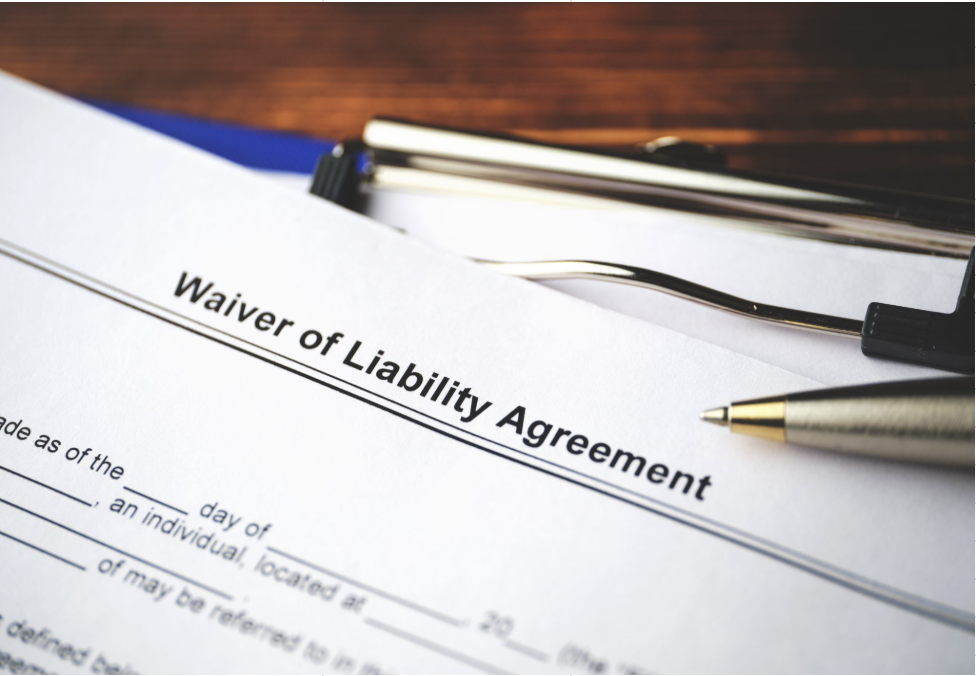
An uninsured contractor waiver is what you reach for when the work starts Monday and the certificate never arrives. The contractor can’t produce coverage, somebody drafted a release, and signing it feels like the responsible middle ground between delaying the job and accepting the risk blindly.
A properly drafted waiver gives your carrier a defense when that contractor gets hurt and sues you over their injury. Nothing else about the document does as much work as that one function.
What the waiver doesn’t touch is everyone else. A tenant injured by the work, a neighbor whose property gets damaged, another vendor’s employee on the same site, none of them signed anything and none of them are bound by it. Your own policy answers those claims, and they’re the ones that cost the most.
This guide covers what a waiver protects, what it leaves open, when accepting one is defensible, and what to require instead. Homeowners face a version of the same question with less coverage behind them, and there’s a section further down written for that situation specifically.
What an Uninsured Contractor Waiver Is
An uninsured contractor waiver is a signed agreement where a contractor without insurance releases you from claims arising out of their work, usually paired with an indemnification clause and sometimes an assumption of risk provision. You present it when the contractor can’t produce a certificate, and it exists to give you something in place of the coverage you wanted.
There is no standard version of this document. An ACORD 25 certificate is a standard form the entire industry recognizes, while a waiver is whatever your counsel drafted or whatever template somebody downloaded, and enforceability turns on how it’s written and which state’s law applies.
Most versions combine several clauses that do different jobs:
| Clause | What it does | Who it protects |
|---|---|---|
| Release of liability | The contractor gives up their right to sue you for injuries or losses arising from the work | You, against the contractor |
| Indemnification | The contractor agrees to cover your losses if a third party brings a claim connected to their work | You, in theory, limited by state law and the contractor’s ability to pay |
| Assumption of risk | The contractor acknowledges specific hazards and accepts them | You, by strengthening the release against a claim that the contractor didn’t understand what they signed |
| Hold harmless | The contractor takes on your liability to third parties arising from their work | You, subject to the same limits as indemnification |
Small businesses operating without coverage are common enough that this document has become routine. Hiscox found that 35% of US small businesses carry no general liability insurance at all, a figure covering every kind of small business and not only the contractors you might hire.
You should be clear about what you’re doing when you sign one, which matters more than the document’s wording. A waiver is what you reach for after accepting a risk you probably shouldn’t have accepted, and it performs one narrow job well while doing almost nothing about the exposure that should worry you most. No signature protects you the way general liability coverage confirmed before work starts does.
What a Properly Drafted Waiver Should Contain
A waiver that survives a challenge in court identifies both parties precisely, describes the actual work, names the specific risks the contractor accepts, and states what they receive in exchange. Anything vaguer than that gives opposing counsel room to argue the contractor never understood what they signed away.
Check any document you’re handed against these eight elements:
- Party identification: Legal entity names matching your contract exactly, since a release naming a trade name while the contract names an LLC creates an argument nobody needs to have.
- Work description: The specific scope the contractor performs. A release covering “work at the property” fails against an argument that the injury arose from something neither party contemplated.
- Assumed risks: Named hazards particular to this job instead of a general release of any and all claims, which courts in several states decline to enforce.
- Express negligence language: A plain statement that the release covers claims arising from your own negligence, written into the release itself.
- Uninsured status acknowledgment: The contractor stating in writing that they carry no coverage, so they can’t later argue they believed your insurance covered them and relied on that belief.
- Indemnification language: In states whose anti-indemnity statutes prohibit it, courts may void the entire provision if the clause covers your own negligence, so draft it for the state where the work happens. Those statutes mostly cover construction contracts, so a maintenance or homeowner agreement may fall under your state’s common-law rules instead.
- Consideration: What the contractor receives in exchange, usually the contract itself, stated explicitly instead of assumed.
- Signature and date before work begins: With the date recorded independently where you can manage it, because a contractor’s own entry proves less than a countersignature or a dated transmittal. You gain nothing from a release signed after an injury. A release signed the morning of the accident also invites an argument over duress and timing.
Limits No Drafting Can Fix
You can’t draft around three limits, however carefully your counsel writes the document. Each one comes from a rule outside the agreement itself, so no clause you add can change it:
- It binds only the signer: Only the person who signs gives up their right to sue, so a helper or anyone else who shows up later keeps theirs. Anyone else who works on your site needs to sign their own waiver before starting. If the contractor brings help without telling you, that helper can sue you as though no waiver existed. In some states, a wrongful death claim belongs to the worker’s family instead of the worker, so the family can sue even after the worker signed a release.
- It can’t eliminate workers’ compensation: A private agreement can’t override a duty your state imposes by statute. If state law treats the contractor as your employee, the contractor can claim workers’ compensation benefits from you regardless of what they signed. Your carrier can’t raise the waiver as a defense to that claim.
- It can’t cover gross negligence or intentional misconduct: Almost no state enforces a release for either, so a contractor injured because someone on your side knowingly ignored a serious hazard can usually sue despite the waiver. A few states go further and refuse to enforce any personal injury release signed before the injury. In those states, the waiver gives you no protection against the contractor’s own injury claim, which is the one job it otherwise does well.
Template sites promise broader protection than any of these limits allows. When you read one offering complete release from all liability arising from the work, you’re reading a claim the document has no power to deliver.
What a Waiver Protects You From
A waiver protects you from claims the contractor brings against you personally, and that job is worth having. Everything the next section takes apart concerns other people’s claims, so understand this one properly first.
Consider a contractor replacing light fixtures in a building you manage. He falls off a ladder, breaks his wrist, and discovers his health plan won’t cover a work injury. He has no workers’ compensation because he works alone, no general liability, and medical bills he can’t absorb. His attorney sends you a demand letter arguing you controlled the premises and failed to maintain safe conditions.
The National Safety Council prices the average medically consulted work injury at $48,000, and a wrist that needs surgery lands well above that once lost income enters the calculation. A signed release gives your carrier a defense that starts before the negligence argument does, because the contractor accepted the risk in writing before he touched the ladder.
Courts weigh the same elements in the drafting checklist when a contractor challenges a release, along with how conspicuously the release appears. They uphold a standalone document with clear headings more readily than a paragraph buried on page four of a master agreement.
State law governs whether any of this survives a challenge, and the variation is wide enough that a template written for one state may fail entirely in another. Have your counsel review the document once before you first use it, then reuse the version they approved.
What a Waiver Doesn’t Protect You From
You keep four exposures after the contractor signs, and the first one accounts for most of what actually costs hiring parties money.
Third-Party Claims
Nobody who didn’t sign the waiver is bound by it. A tenant, a customer, a visitor, a neighbor, or an employee of another vendor on-site can all bring claims against you, and none of them agreed to anything.
For example, imagine the same contractor replacing light fixtures in a building you manage. He wires a fixture incorrectly, and three weeks later a tenant reaches up to change a bulb and takes a shock serious enough to require hospitalization. The tenant sues you as the property manager who controlled the premises and selected the contractor. When the contractor signed your waiver, they gave up only their own right to sue you, so a tenant who never saw it keeps every right to sue.
Your own general liability insurer pays the tenant’s claim instead, at a time when the cost of that kind of claim keeps climbing. General liability annual claim severity reached $101,000 in 2024, up 45% from $70,000 four years earlier, and premises and operations claims account for 75% of all general liability losses. That’s the exact category the tenant’s claim falls into, and it’s the category your waiver leaves untouched.
Descriptions of these documents frequently blur this point, telling readers a waiver covers situations where the contractor is injured or causes damage. Those are two separate exposures with two different answers. The contractor’s injury is the claim a waiver defeats. When the contractor injures somebody else or damages their property, that person can bring a third-party liability claim against you regardless of what you and the contractor agreed.
You can shift the cost back to the contractor through an indemnification clause, but only as far as your state’s anti-indemnity statute allows. An uninsured contractor also has no contractual liability coverage behind that promise, so the cost usually stays with you.
Workers’ Compensation Obligations
Most states prohibit contracting out of workers’ compensation obligations, which means a waiver signed by an uninsured contractor doesn’t extinguish a statutory duty you may owe them.
If you’re a contractor and state law treats your uninsured subcontractor’s workers as your statutory employees, an injured worker can claim benefits from the next party up the contract chain that carries coverage. When that party is you, your workers’ compensation carrier pays the claim.
Owners and property managers who hire contractors directly usually fall outside that chain, though the rules vary by state. Your state can still classify the worker as your own employee through its misclassification test or a licensing rule like California’s, which treats an unlicensed contractor doing licensed work as the hiring party’s employee.
Your carrier also charges you for hiring an uninsured subcontractor whether or not anyone gets hurt, since the auditor typically counts what you paid that subcontractor as your own payroll and bills premium on it.
Construction is where workers’ compensation costs are heaviest and rising fastest. Construction represents 27% of all workers’ compensation premiums nationally, and lost-time medical severity in the sector grew 13% in accident year 2024 against 6% growth across the system. Your waiver has no effect on any of it, because the obligation comes from a statute instead of from the agreement you signed.
Your Own Negligence in Most States
Between 43 and 45 states restrict how far a construction contract can shift liability from one party to another. Roughly 28 of them prohibit an agreement indemnifying the hiring party for any fault of its own, whether sole or partial.
That range covers the exposure you most wanted the document to handle. Your indemnification clause asks the contractor to cover losses arising from their work, and where your conduct contributed to the loss, most states void the clause for that portion or void it entirely.
The variation between states is significant enough to matter to your drafting. Some states void only broad-form indemnity, where the hiring party bears sole fault. Others reach intermediate-form agreements covering partial fault. Our explanation of hold harmless agreements covers how these provisions operate, and our guide to indemnity coverage covers what insurance responds when they hold.
Anything the Contractor Can’t Pay
An enforceable indemnification obligation is worth whatever the contractor can fund, which for a one-person operation with no insurance is usually very little.
US commercial liability tort costs reached $367 billion in 2022 and have grown 8.7% annually since 2016. Your indemnification clause is a claim against one contractor’s assets inside a liability system operating at that scale. A judgment you can’t collect protects you exactly as much as no judgment at all.
Waivers, Releases, and Hold Harmless Agreements
Contracts use these terms interchangeably, usually because the drafting attorney preferred one. You can tell what protection you actually hold from what each one asks the contractor to give up.
A waiver is the contractor surrendering their right to bring a claim against you. A hold harmless agreement is the contractor accepting responsibility for claims other people bring against you. When the contractor signs a release before work begins, they give up the same right a waiver covers, their right to sue you over injuries the work might cause. A contractor who signs a release to settle a dispute gives up claims that already exist instead.
Here’s how they compare:
| Term | What the contractor gives up | What you get | Where it fails |
|---|---|---|---|
| Waiver of liability | Their right to sue you for injuries or losses from the work | A defense against the contractor’s claim | Third parties never signed it, so they can still sue you |
| Hold harmless agreement | Their money to cover claims others bring against you | A contractual obligation to absorb third-party claims | Anti-indemnity statutes limit it, and the contractor has to be able to pay |
| Release | Their right to sue over the work if signed before it starts, or claims they already hold if signed as a settlement | A defense against the contractor’s own claim, or closure on a specific dispute | Third parties never signed either version, while a settlement release ends only claims that already exist |
| Indemnification clause | Their money to reimburse your losses | Reimbursement after you’ve already paid | Same limits as hold harmless, plus you fund the loss first |
Most uninsured contractor waivers combine several of these in one document, which is why the label on the top of the page tells you less than the clauses underneath it. A document titled “waiver of liability” frequently contains indemnification language, and the indemnification portion carries every limitation the previous section covered while the waiver portion works as intended.
Read the clauses instead of the title when you evaluate what you’re holding. The practical question is which of your exposures each provision addresses, and a document doing one job well while claiming to do four is common enough that counsel should tell you which is which.
Waiver of Liability for Construction Work
On a construction site, workers from several trades share the same space while working at height and around heavy equipment, so third-party exposure exists on every project whether or not anyone signed a waiver. Another sub’s employee injured by your uninsured contractor’s work has the same claim against you as any stranger would.
Your contract usually settles the question before you get to weigh it. Prime contracts and subcontracts flow insurance requirements downstream, obligating you to confirm coverage from everyone performing work under your agreement, and a waiver satisfies none of it. Accepting one from an uninsured sub creates three problems at once:
- The uninsured exposure: No insurer pays when that sub injures a person or damages property, so your own insurer pays every claim the waiver doesn’t bar.
- A contract breach independent of any injury: You’ve violated your obligation to the owner the moment that contractor sets foot on site. An owner who discovers the breach can stop the work or withhold payment whether or not anybody gets hurt, and depending on the prime contract, may also be able to declare a default.
- An audit finding you can’t explain away: Lenders and owners request certificates for every entity on site, and a waiver in place of a certificate answers a question nobody asked.
Where a project carries certificate requirements, treat the waiver option as closed and confirm what the insurance requirements on construction certificates actually demand before the sub arrives on site.
When Hiring an Uninsured Contractor Is a Reasonable Call
Narrow circumstances exist where accepting a waiver makes defensible sense, and every one of them works by removing third-party exposure from the situation. Once nobody else can plausibly get hurt, the waiver’s single function covers most of what’s left.
Six conditions should hold before you consider it:
- Nobody else is present during the work: No tenants, no customers, no other trades, no members of the public in the space while the contractor works.
- The duration is short and defined: A half-day job with a clear end differs from an open engagement where the contractor returns whenever something needs attention.
- The work stays on the ground: No ladders, no scaffolding, no roofs, no elevated platforms of any kind.
- No vehicles or powered equipment: Nothing the contractor drives, tows, or operates that could injure someone outside the immediate work area.
- You could pay the worst case out of pocket: The contract value and the most plausible loss are both small enough to fall within your deductible or your operating funds.
- Coverage is pending instead of absent: A contractor whose renewal processes on Thursday differs entirely from one who has never carried a policy.
Every item on that list subtracts exposure from an environment that produces serious injuries at rates worth respecting. Construction workers account for 46.2% of all fatal falls across the entire US workforce, with more than 20,000 nonfatal fall injuries per year since 2013. If the work involves any fall exposure at all, you can’t defend accepting a waiver for it.
When It Isn’t
A waiver only releases claims between you and the contractor who signs it. That protection falls apart on any job that puts other people at risk. More jobs carry that risk than most companies assume. Anyone who could plausibly be injured by the contractor’s work, or by the condition it leaves behind, has a claim the waiver doesn’t touch.
These circumstances take the option off the table:
- Work at height: Fall protection has been the most cited OSHA standard in the country for fourteen consecutive years, with 6,307 violations in fiscal year 2024. If you accept a waiver for work at height, you create a record that you knowingly took on the hazard behind the most frequently cited OSHA standard in the country.
- Vehicles and powered equipment: A contractor driving, towing, or operating equipment on your property creates exposure that reaches pedestrians, other vehicles, and adjacent property, none of whom signed anything.
- Electrical, hot work, and anything structural: These leave conditions behind that injure people weeks after the contractor’s last day, and completed operations exposure survives the engagement entirely.
- Spaces tenants or customers enter: Occupied buildings put third parties in the work environment by default, which makes premises liability the likely path any claim takes.
- Projects with certificate requirements: If your prime contract or a lender requires verified coverage from everyone performing work, accepting a waiver puts you in breach whether or not anybody gets hurt.
Two of those categories catch companies by surprise. Completed operations exposure means the work outlives the working relationship, so a contractor who finished in March can still produce a claim against you in September through a condition they created. And the flow-down obligation exists in writing whether anyone at your company has read that section of the prime contract recently.
Where any item on that list applies, the honest answer is that you’re not choosing between a waiver and a certificate. You’re deciding between delaying the work and accepting an uninsured loss.
What to Require Instead
You have two options that protect you better than a waiver, with the second worth using only when the first isn’t possible.
- Coverage confirmed before work starts: Request the certificate along with the endorsement forms your contract requires, then confirm the named insured matches the entity you’re contracting with and the policy period covers the engagement. A contractor who can produce coverage in three days is worth waiting three days for. Base your requirements on the insurance a subcontractor in that trade needs.
- Short-term coverage the contractor buys: A contractor without a policy can often buy general liability for a single job the same day, with policy periods as short as one day. Require the same certificate and endorsements you’d ask of any vendor. Confirm the policy period covers every day the contractor works on your site, since a contractor whose short policy expires mid-job is uninsured for the rest of it.
A surety bond adds protection against a different risk: the contractor abandoning the job before the work is finished. Bonds guarantee performance. An EY analysis prepared for the Surety and Fidelity Association found bonded projects five times more likely to finish on schedule than unbonded ones, with completion costs 85% lower when a default occurs. The surety pays nothing when a tenant gets injured, so add a bond alongside one of the options above, never in place of them.
The option that solves this outright is moving the start date. Schedule pressure driving a waiver decision usually turns out softer than it feels at 4pm on a Friday, and a contractor motivated to keep the job will call their agent Monday morning. Ask what their renewal timeline actually looks like before you accept that coverage isn’t coming.
Managing the Engagement After the Waiver Is Signed
Signing the waiver starts the exposure instead of closing it. Four things you do during the engagement determine how much of that exposure you actually carry, and the first one accounts for the largest hole in any waiver ever drafted.
The Helper Problem
Your contractor signs the waiver Monday and shows up Tuesday with somebody else. That second person signed nothing and carries no coverage, so they bring every exposure the waiver was supposed to address.
The helper also brings one exposure the original contractor didn’t, since they may count as the contractor’s employee. If you’re a general contractor, state law may make you that helper’s statutory employer. An owner or property manager usually falls outside that rule, but a state’s classification test can still treat the helper as working for you.
Your document covers one person by name. No clause extends it to somebody who arrived later, and the person who let them onto the site almost certainly didn’t check.
Three controls close most of it:
- Written consent provision: Prohibit additional personnel without your approval, with a stated consequence for violating it.
- Signature requirement for anyone on site: Require every person performing work to sign before they start, which means keeping blank copies where your site supervisor can reach them.
- Stop-work authority at the access point: Give whoever controls entry the standing to halt work when an unfamiliar person shows up, because a project manager who feels awkward asking is how this hole stays open.
Documenting the Decision
A waiver decision made verbally on a Friday afternoon looks considerably worse in litigation than the same decision documented with its reasoning attached.
Keep four things in the file:
- The signed waiver itself, with the date it was executed.
- A record of what coverage you requested and when you requested it.
- The contractor’s response explaining why they couldn’t produce it.
- A short note naming who authorized the exception and on what basis.
That last item matters most, since a decision with an owner is a decision somebody evaluated, while a decision nobody signed is one that happened by default.
Limiting Scope and Access
Write a scope stating exactly what the contractor touches and enforce it. A plumber who decides to help with an electrical problem has created exposure outside everything you evaluated when you accepted the waiver.
Keep the work away from occupied and public areas wherever the schedule allows, and move it outside business hours where tenants or customers are involved. The conditions that made the waiver defensible assumed no third parties were present, and these controls are how you maintain that assumption once work actually begins.
Ending It on Schedule
Set a hard stop date and enforce that too. A two-day job that quietly becomes a standing relationship is the failure mode nobody watches, because the waiver gets signed once while the engagement continues for months with the coverage question never reopening.
Uninsured Contractor Waivers for Homeowners
Homeowners hiring an uninsured contractor face the same structural limits covered above, with less protection standing behind them. No commercial general liability policy absorbs what the waiver misses, and a homeowners policy handles far less of this than most people assume.
The document itself works the same way. A release signed before work begins gives you a defense if the contractor sues you over their own injury. However, it won’t do anything about a neighbor whose property gets damaged, a guest injured by the work, or the contractor’s helper who shows up on day two.
Does Homeowners Insurance Cover an Uninsured Contractor’s Injury?
Usually not in the way people expect. Some published guidance tells homeowners their policy generally covers any injuries on the property, including those a handyman sustains, which overstates what these policies do considerably.
Two provisions in a standard homeowners policy could apply, and both come with limits worth knowing before you need them:
| Provision | What it pays | Where it stops |
|---|---|---|
| Medical payments | Limited amounts for injuries on your property without regard to fault, typically $1,000 to $5,000 | Covers an urgent care visit and nothing resembling surgery or lost income |
| Personal liability | Claims where you’re legally responsible for someone’s injury or property damage | Injury to anyone eligible for workers’ compensation benefits you’re required to provide |
The insurer applies that exclusion only where state law requires you to provide workers’ compensation for someone working on your home. In those states, you pay the worker’s benefits yourself unless you carry a separate workers’ compensation policy or your homeowners policy includes that coverage.
Everywhere else, the insurer generally pays an injured worker’s claim under personal liability when you’re legally responsible for the injury, subject to your policy’s other exclusions. The insurer also pays medical expenses up to your medical payments limit regardless of fault.
California treats an unlicensed contractor doing work that requires a license as the homeowner’s employee for workers’ compensation purposes. The state also requires every homeowners liability policy to include workers’ compensation coverage for household employees, so the homeowner’s own insurer generally pays those benefits.
Casual work incidental to maintaining the home falls outside that obligation, since California covers only a worker who put in at least 52 hours and earned at least $100 in the 90 days before the injury. A remodel or addition may not count as maintenance at all, however short the job, so a homeowner hiring an unlicensed contractor for that kind of work shouldn’t assume the exemption applies.
What Homeowners Should Ask Their Carrier
Call your own carrier before you sign anything and ask them these three questions:
- Does my policy respond to an injury sustained by a contractor working on my property? The answer depends on your state and your policy form. The person who sold you the policy can tell you in a few minutes.
- Do I carry any workers’ compensation endorsement? Some homeowners policies offer one, and some states effectively require it for anyone hiring domestic or contract labor.
- What is my medical payments limit? Knowing whether it’s $1,000 or $5,000 tells you how much of a minor injury you’d absorb before the liability question even opens.
Contractors face a version of the same question, since insurers writing contractors’ general liability in the excess and surplus lines market often exclude injury arising from work by uninsured subcontractors. Get your broker’s answer in writing before the question becomes urgent.
How to Verify Coverage So the Question Never Arises
The waiver conversation happens because verification failed earlier. Somebody hired a contractor without asking for a certificate or asked and never followed up, and the question only became urgent when work was scheduled to start.
Programs break in predictable places. Verification belongs to whoever hired the vendor instead of to a system, so a project manager in one business unit onboards a contractor while nobody in compliance knows the relationship exists. Expiration dates go untracked, which turns a compliant vendor into an uninsured one without anybody noticing. And the person who collected the original certificate moves to another role, taking the only institutional memory of that vendor’s status with them.
The result arrives as a Friday afternoon decision nobody wanted to make. A contractor shows up ready to work, the certificate request went out three days ago and came back empty, and somebody has to choose between delaying the job and signing a waiver.
CertFocus by Vertikal RMS moves that decision earlier. Vendors upload their own certificates through a self-service portal, where Hawk-I AI processes each document while a trained reviewer decides whether it satisfies your requirements. CertFocus tracks expiration dates for your entire vendor population, so your team stops checking them one file at a time.
Understand what a certificate does and doesn’t tell you. It confirms coverage existed when somebody issued it, which is why the monitoring matters more than the collection. When an insurer cancels a vendor’s policy for nonpayment in March, the certificate in your file still shows the original expiration date, so expiration tracking alone won’t flag the problem. You catch a mid-term cancellation only through a notice of cancellation endorsement naming you or by periodically confirming the policy with the vendor’s agent.
Where This Leaves You
A waiver gives you a defense when the contractor who signed it sues you over their own injury. That single function has real value when the alternative is nothing at all.
Everything else that could go wrong stays exactly where it was. The tenant, the neighbor, the customer, and the helper who showed up Tuesday all keep claims your document never touched, and your own policy answers for every one of them. A contractor with no coverage and no assets can’t fund an indemnification clause that most states would narrow anyway.
Most waiver conversations happen because somebody asked for a certificate too late. CertFocus by Vertikal RMS collects them before work is scheduled, with vendors uploading their own documents and a trained reviewer confirming the coverage meets your requirements. Schedule a demo to see how it handles your vendor population.
FAQ
Yes, though the decision belongs to you rather than to any law in most cases. Some states and municipalities require licensed contractors to carry coverage, and your own contracts with owners or lenders may prohibit it outright. Where nothing forbids it, you’re accepting the uninsured exposure yourself, and a waiver addresses only part of what you’ve taken on.
They pursue you because no policy of theirs exists to pay for it. A signed waiver gives your carrier a defense against that claim. If you’re a general contractor, state law may make you the statutory employer of an uninsured subcontractor’s workers. If you’re an owner or property manager, your state may still classify the contractor as your own employee. In either case, the workers’ compensation obligation applies regardless of what anyone signed.
No. A waiver binds only the person who signed it. A tenant, customer, neighbor, or another vendor’s employee injured by the contractor’s work brings a claim your waiver has nothing to say about, and your own general liability policy answers it.
Rarely to the extent people assume. Your insurer typically pays $1,000 to $5,000 in medical payments regardless of fault. Under personal liability, the insurer pays only when you’re legally responsible for the injury and never for anyone eligible for workers’ compensation benefits you’re required to provide. Call your carrier and ask directly, since the answer depends on your policy form and your state.
Sometimes, and state law decides. Courts look for conspicuous language, a signature obtained before work started, a specific description of the risks assumed, and consideration. In Texas and other states with an express negligence rule, the release also has to state plainly that it covers your own negligence. Almost no state enforces a release for gross negligence or intentional misconduct. Anti-indemnity statutes in 43 to 45 states further limit the indemnification provisions these documents usually contain.
A waiver is the contractor giving up their own right to sue you. A hold harmless agreement is the contractor accepting responsibility for claims other people bring against you. Most uninsured contractor documents contain both. The hold harmless portion depends on the contractor having money to pay with. Anti-indemnity statutes void it entirely in many states where your negligence contributed to the loss.
Get it from an attorney licensed in your state instead of from a template site. Enforceability depends on state law and on drafting specific to the work being performed, so a generic release written for another jurisdiction may collapse under exactly the challenge you needed it to survive. Downloadable templates exist, but a generic form written for another state is one of the easiest ways to end up with a waiver that fails.
It depends on what kind of business you run. If you’re an owner or property manager, a standard businessowners or general liability policy generally covers your liability arising from a contractor’s work. If you’re a contractor, your insurer may exclude injury arising from work by subcontractors who carry no coverage of their own, especially when the policy comes from the excess and surplus lines market. Ask your broker in writing whether your policy contains an independent contractor or uninsured subcontractor exclusion.
Stop the work if the exposure justifies it, then confirm what your contracts obligate you to do about it. Your next steps depend on whether the contractor can obtain coverage quickly, whether an owner or lender requires certificates, and what your policy does with claims arising from their work.
Ready to Rise Above Risk?
Reach out to discover how Vertikal RMS can help your organization implement an efficient and effective COI compliance tracking system.