News / Completed Operations Coverage: CG 2010 vs CG 2037 Explained
Completed Operations Coverage: CG 2010 vs CG 2037 Explained
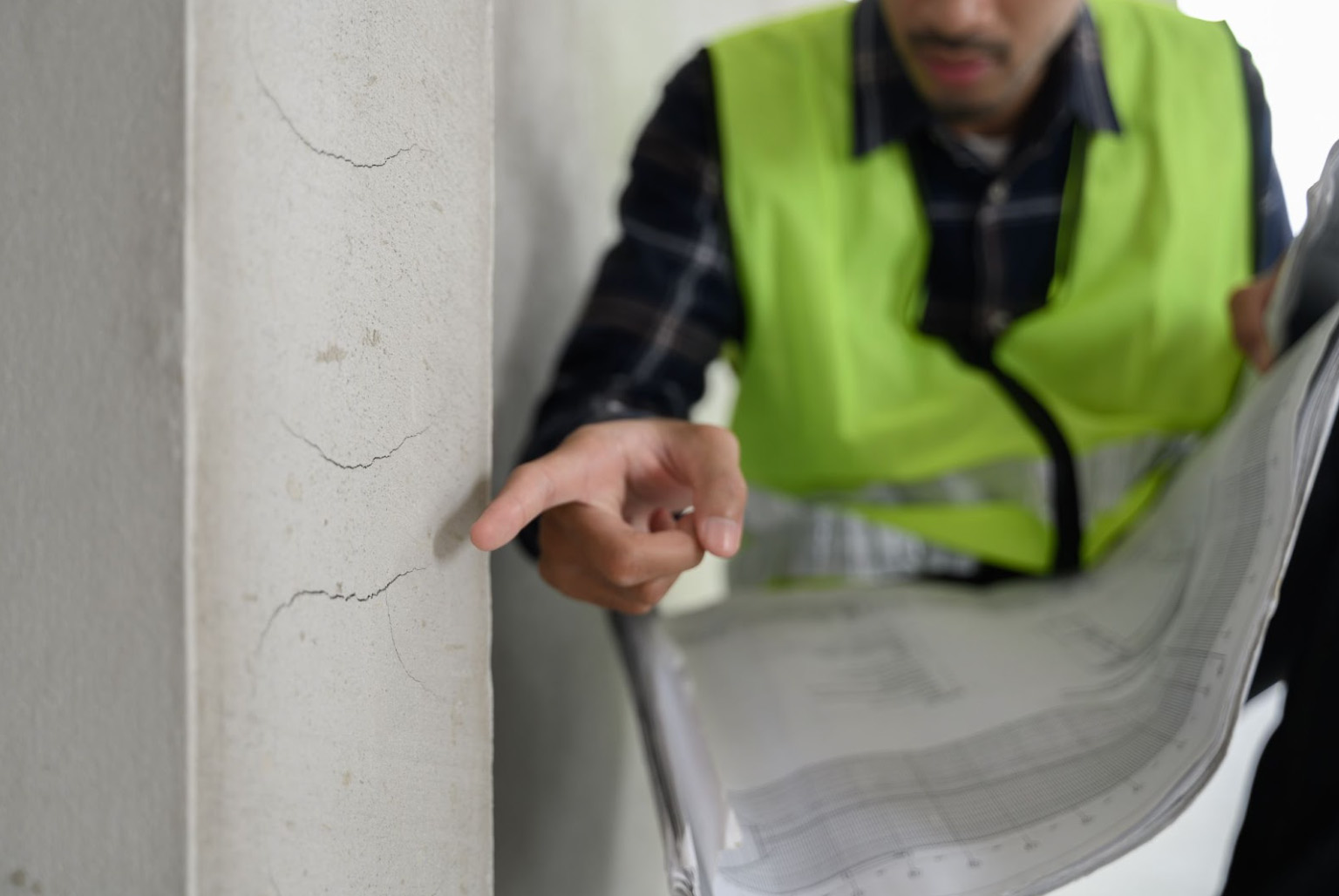
A general contractor hires a roofer for a commercial job completed in March. In November, the roof collapses during a snowstorm, injuring three people and destroying $200,000 worth of equipment. The GC files a claim, expecting the roofer’s insurance to cover it, only to discover the roofer provided a CG 2010 endorsement that stopped applying the day they left the job site. The GC is now personally liable for everything because they never verified which additional insured endorsement they received from the roofer.
Most contractors don’t understand the difference between ongoing and completed operations coverage until claims get denied years after finishing work. Completed operations liability is automatically included in standard commercial general liability policies, but additional insured endorsements often exclude it. You get added as an additional insured, see it noted on the certificate, and assume you’re protected. Then claims surface months or years later, and you discover the subcontractor provided CG 2010 coverage that only applied during active work, not CG 2037 coverage that extends beyond completion.
The construction boom is creating unprecedented completed operations exposure. Construction spending jumped 11.3% in 2023, with nearly $500 billion in active projects. As this massive volume of work finishes over the next few years, contractors face a wave of potential completed operations claims from defects that won’t surface until long after project handover.
This guide explains what completed operations coverage protects, what the difference is between CG 2010 and CG 2037 endorsements, and how to track these requirements across dozens of subcontractors. You’ll understand exactly what gets covered, what gets excluded, and how to avoid the gaps that leave contractors paying millions personally for defective work claims.
What Is Completed Operations Coverage?
Completed operations coverage is liability insurance that protects contractors from claims arising after they finish work and leave the job site. This coverage kicks in once you complete a project, turn it over to the customer, or stop working at that location. Without it, you’re personally liable for property damage and injuries caused by your finished work even when problems don’t surface until months or years later.
Standard commercial general liability policies automatically include completed operations coverage as part of the products-completed operations aggregate limit. This means you already have some protection built into your existing CGL policy, though many contractors don’t realize it until they need to file claims. The coverage handles both bodily injury and property damage resulting from your completed work, plus pays for legal defense costs when owners or tenants sue you over construction defects.
The key difference between general liability and completed operations comes down to timing and location. General liability protects you while actively working on a job site. Completed operations coverage follows your work after you pack up and leave, extending protection for years beyond project handover. A roofer who finishes work in March but faces a lawsuit in November when the roof collapses relies entirely on completed operations coverage since they haven’t been on that property for eight months.
Ongoing Operations vs. Completed Operations Coverage: Critical Differences
The difference between ongoing and completed operations determines whether you have protection when claims happen. Most contractors discover these distinctions too late, after filing claims that will be denied because they had the wrong endorsement or their coverage ended when work stopped.
| Aspect | Ongoing Operations | Completed Operations |
|---|---|---|
| When coverage applies | While work is actively in progress | After work is finished and the contractor leaves |
| Location requirement | Must be at the job site | Applies after leaving the premises |
| Typical duration | Days, weeks, or months | Years after completion |
| What triggers coverage | Incidents during construction | Defects discovered after handover |
| Common claims | Third-party injuries and property damage during construction | Roof leaks, structural failures, electrical fires, etc. |
| Additional insured endorsement | CG 2010 (or equivalent) | CG 2037 (or equivalent) |
| When coverage ends | When work stops | When the policy expires or cancels |
Most contractors assume that standard additional insured endorsements cover both ongoing and completed operations, but CG 2010 (the most common endorsement form) only protects you during ongoing work. Your subcontractor adds you as an additional insured using CG 2010, you see “additional insured” on the certificate, and you assume you’re protected. The problem surfaces months later when that sub’s faulty work causes damage and you find out their insurance stopped covering you the day they finished their portion of your project.
Once a subcontractor completes their work and moves to another job, ongoing operations coverage stops applying to your project entirely. The electrician who finished rough-in work in March has no ongoing operations coverage for your project by April, even if construction continues for six more months. Their insurance still exists and covers them on new jobs, but it doesn’t protect you anymore because they’re no longer performing ongoing operations on your property.
You need CG 2037 specifically to maintain additional insured protection after work is done. This endorsement extends coverage beyond the subcontractor’s departure date, following their work for years after they’ve moved on to other projects. Without CG 2037, your additional insured status evaporates the moment the sub stops working, leaving you exposed to claims from their defective work with no insurance backing.
The real impact hits when claims get filed months or years after completion. A general contractor discovers foundation problems eighteen months after the concrete sub finished work. They file a claim expecting their additional insured status to trigger the sub’s insurance, only to learn the sub provided CG 2010 coverage that ended when concrete work wrapped up. The GC now pays the $400,000 foundation repair personally or through their own insurance, defeating the entire purpose of requiring subcontractor coverage in the first place.
What Does Completed Operations Coverage Actually Pay For?
Completed operations coverage handles specific claim types after your work is done, but it’s not unlimited protection. Understanding exactly what your policy covers versus what you’ll pay out of pocket prevents expensive surprises when you need to file claims.
What’s Covered Under Completed Operations
Completed operations coverage pays for damages and costs you owe to others when your finished work causes problems:
- Property damage caused by finished work: Faulty electrical work causing a fire six months after you completed the job triggers coverage for building damage and destroyed contents. The policy pays to repair fire damage to the structure, replace the owner’s ruined equipment and inventory, and cover temporary relocation costs while repairs happen.
- Bodily injury from defective work: Collapsed decks, falling ceiling tiles, or structural failures that injure people all fall under completed operations coverage. When a homeowner’s guest falls through a poorly built deck at a party three months after construction finished, the policy covers their medical bills, lost wages, and pain and suffering.
- Legal defense costs: Completed operations coverage typically pays defense costs separately from your coverage limits, which means legal expenses don’t reduce the funds available for settlements or judgments. This applies even when claims turn out to be groundless. However, defense coverage structure varies by policy.
- Third-party claims: Building owners, tenants, visitors, or neighboring property owners can all sue over injuries or damage from your work. The policy protects you when the building owner sues because your work damaged their property, when a tenant sues because defects disrupted their business, or when a neighbor sues because your faulty grading caused flooding on their land.
What Completed Operations Coverage Excludes
Completed operations policies don’t cover everything, and these common exclusions expose you to liability:
- Replacing your own defective work: The policy won’t pay to redo faulty plumbing that caused a leak, only the resulting water damage. If your electrical work sparks a fire, coverage pays to repair the building and replace damaged contents but not to reinstall the defective wiring that started the problem. You pay to fix your mistakes.
- Intentional damage or criminal acts: Coverage excludes deliberate harm or illegal work. Installing materials you knew were defective, intentionally cutting corners to save money, or performing work without required permits won’t trigger coverage when concerns come up.
- Product recalls: Manufacturing defects that require product recalls aren’t covered under completed operations. If you install HVAC units later recalled by the manufacturer, the policy won’t pay to remove and replace those units across multiple properties.
- Work completed before policy inception: Claims arising from projects you finished before buying the policy get excluded. You can’t retroactively insure past work by purchasing coverage after issues arise.
The “damage to your work” exclusion creates confusion for general contractors using subcontractors. When one sub’s faulty work damages another sub’s work, coverage generally applies because the damaged work belongs to a different contractor. If your plumber’s leak damages the electrician’s work, your completed operations coverage pays to replace the electrical components since they’re not “your work” in the policy’s definition.
However, damage to your own work caused by your own work gets excluded entirely. If you’re a framing contractor and your poorly built walls need rebuilding because of your own structural mistakes, the policy won’t cover that repair. This exclusion only applies when you damage your own completed work, not when you damage someone else’s property or another contractor’s work on the same project.
Understanding Products-Completed Operations Aggregate Limits
Your CGL policy has multiple limits applying differently to ongoing versus completed operations claims. The products-completed operations aggregate is the total amount your insurer pays for ALL completed operations claims during the policy period, regardless of how many separate incidents happen or how many different projects are involved.
Standard CGL policies typically carry a $2 million products-completed operations aggregate with $1 million per occurrence limits. This means any single completed operations claim maxes out at $1 million, and all completed operations claims combined during the policy year can’t exceed $2 million total. Once you hit that $2 million aggregate, you’re paying everything else out of pocket even if your policy is still active.
This aggregate operates separately from your general aggregate limit, which applies to ongoing operations claims. You could exhaust your entire $2 million products-completed operations aggregate on defects from finished projects while still having your full general aggregate available for incidents happening during active work.
These limits are important because the stakes have never been higher. Jury awards exceeding $10 million, which are also known as nuclear verdicts, jumped 27% in 2023 alone, while verdicts over $100 million (called “thermonuclear” verdicts in the industry) increased by 35%. These massive judgments have nearly tripled since 2020. A single completed operations claim from a nuclear verdict could exhaust your entire $2 million aggregate and bankrupt your business, which is why many general contractors now carry $5–10 million or higher aggregates.
CG 2010 vs. CG 2037: Additional Insured Endorsements Explained
Getting added as an additional insured means nothing if the endorsement doesn’t include completed operations coverage. The specific form your subcontractor uses determines whether you have protection after they finish work and leave your job site, and most contractors never verify which endorsement they’re getting until claims get denied.
CG 2010: Ongoing Operations Only
CG 2010 is the most common additional insured endorsement and general liability additional insured endorsement form, but it only covers ongoing operations. Insurance agents use this as the default form because it’s cheaper for their clients, and many don’t understand the difference between ongoing and completed operations coverage. You receive a certificate showing “additional insured” status and assume you’re protected, but you’re only covered while the subcontractor actively works on your property.
The endorsement language specifically states coverage applies “in the performance of your ongoing operations,” which means coverage stops the moment the subcontractor finishes their scope and leaves your job site. The electrician who roughed in your building in March has zero ongoing operations on your project by April, so your additional insured protection under their CG 2010 endorsement disappears even though your building won’t be occupied for another six months.
General contractors find out too late that their additional insured status disappeared when the sub completed work. You file a claim eighteen months after the plumbers finished, expecting their insurance to cover the leak damage from faulty installation. The insurance company denies the claim because the plumber’s CG 2010 endorsement only covered the two weeks they actively worked on your project. You’re now paying hundreds of thousands in damages personally because you never verified which endorsement form you received.
But this wasn’t always the case. The 1985 version of CG 2010 (CG 20 10 11 85) covered both ongoing and completed operations under a single endorsement. ISO split these coverages in 2001, restricting CG 2010 to ongoing operations and introducing CG 2037 for completed operations. If you encounter an older policy still using the 1985 form, you may have broader protection than expected. But never assume. Check the form number and edition date printed in the upper right corner of the actual endorsement.
CG 2037: Completed Operations Coverage
CG 2037 adds completed operations coverage to your additional insured status, maintaining protection after the subcontractor finishes work. This endorsement is typically used with CG 2010 (ongoing operations) to provide complete additional insured protection during and after the project. Some insurers offer combined forms that include both.
The endorsement language references “products-completed operations hazard,” confirming that coverage continues beyond project completion. This language matters because it triggers the policy’s products-completed operations aggregate instead of the general aggregate, following the subcontractor’s work for years after they’ve left your job site.
CG 2037 is so important because most construction defects don’t show up until months or years after completion. Roofs don’t leak until the first heavy rain. Structural problems don’t surface until buildings settle under load. Electrical fires don’t start until systems operate at full capacity. Your additional insured protection needs to last as long as the subcontractor’s liability policy remains active, not just during the brief period they worked on your property.
CG 2037 costs subcontractors more in annual premiums than CG 2010 alone, which is why some may resist providing it. Adding completed operations to additional insured endorsements usually increases liability premiums by 15–25% because insurers extend coverage for years beyond active work periods instead of just weeks or months.
Subcontractors operating on tight margins sometimes try to avoid this cost by providing only CG 2010, hoping general contractors won’t catch the gap. Don’t let cost concerns from subcontractors leave you exposed. The premium difference is minimal compared to your liability exposure from uninsured completed operations claims.
How to Identify Which Endorsement You Have
Don’t assume you have the right general liability additional insured endorsement based on certificate language alone. Verify the actual endorsement form using these identifiers:
- Form number in upper right corner: Look for “CG 2010” versus “CG 2037” printed on the ISO endorsement form itself. Insurance companies use different numbering systems, so you might see equivalent forms like “GL 2010 07 04” for ongoing operations or variations indicating completed coverage.
- “Who Is An Insured” section language: Read the actual text under this heading. Phrases like “in the performance of your ongoing operations” indicate you have an ongoing operations endorsement (CG 2010), while “products-completed operations hazard” or “after operations have been completed” indicate CG 2037 coverage.
- Effective date requirement: Some endorsements only apply during active work, with coverage ending when operations cease. Others extend beyond completion, maintaining coverage as long as the underlying policy remains active.
- Scope of coverage statement: Language stating coverage applies “while work is in progress” means ongoing operations only. Statements including “after work is completed” or “products-completed operations” confirm extended coverage.
Many subcontractors submit certificates of insurance showing you as an additional insured without specifying which endorsement applies. The certificate lists your company name in the certificate holder box and checks “additional insured” without indicating CG 2010 versus CG 2037. Without CG 2037, you have no protection once they finish work. Always request and verify the actual endorsement form attached to the policy, not just the certificate notation that claims you’re covered.
Watch out for the 2013 editions (CG 20 10 04 13 and CG 20 37 04 13). These versions added language that caps your protection based on what your contract actually says. Coverage only applies to the extent required by your written contract, permissible by law, and up to the liability limits your contract specifies. Sloppy contract language that fails to specify coverage amounts or endorsement requirements can gut your additional insured protection even when the subcontractor provides the correct form.
When to Require CG 2010 vs. CG 2037 from Subcontractors
Your contracts should always require both CG 2010 and CG 2037 endorsements from subcontractors, not one or the other. These endorsements work together to provide complete protection during and after projects.
You should require CG 2010 for:
- Protection during active construction when workers get injured on your job site.
- Coverage for property damage occurring while the subcontractor is still working.
- Claims arising from equipment failures or accidents during the subcontractor’s active work period.
- Incidents involving the subcontractor’s employees or equipment while on your premises.
Require CG 2037 for:
- Protection after the subcontractor finishes and leaves your job site.
- Claims from defects that surface months or years after the project is complete.
- Coverage extending through your state’s statute of repose period (usually 6–10 years).
- Protection when contractual requirements mandate maintaining coverage for specific periods post-completion.
Never accept one without the other. Some subcontractors argue that they only need CG 2010 because they’ll be actively working on your property. This leaves you completely exposed the moment they finish their scope. Other subs might offer only CG 2037, claiming completed operations is your main concern. This leaves you unprotected during active construction when injury claims are most common.
Your contract should state: “Subcontractor shall provide Contractor with additional insured status under both CG 2010 (or equivalent) for ongoing operations AND CG 2037 (or equivalent) for completed operations.” This eliminates arguments about which endorsement applies and confirms complete coverage.
Real-World Completed Operations Claim Examples
You can understand completed operations coverage much more clearly through actual claim scenarios showing when coverage applies, what insurers pay, and what contractors cover personally.
Plumbing Contractor Scenario
A plumber finished a bathroom remodel in March. Everything looked perfect at handoff. Six months later, in September, the homeowner called frantically about water spreading through multiple rooms. Turns out the plumber’s fixture installation leaked slowly behind the walls for months, rotting framing and growing mold throughout the house. Total damage: $50,000.
Completed operations coverage paid the full $50,000 for tearing out damaged drywall, replacing rotted framing, remediating mold, and restoring the home. The insurer also paid defense costs when the homeowner sued, claiming the damage was actually $75,000. But the policy didn’t touch the defective plumbing itself. The plumber paid $3,500 out of pocket to reinstall the fixtures correctly. That’s the “damage to your work” exclusion in action: the coverage fixes what your work damaged, not your actual work.
Electrical Contractor Scenario
An electrical contractor upgraded wiring for an industrial facility in 2022. Two years later, the building burned to the ground along with $800,000 worth of machinery inside. The manufacturer immediately sued the electrician, claiming the upgraded wiring caused the fire.
The electrician knew his work didn’t cause it, but lawsuits aren’t concerned about facts until you prove them. Completed operations coverage paid $150,000 for attorneys and engineering experts who proved the fire started from the manufacturer’s own equipment, not the electrical work. The policy paid zero out of the $800,000 in actual damages because the investigation cleared the contractor. This shows how completed operations pays defense costs separately from policy limits, covering your legal fight even when claims turn out to be groundless.
Highest-Risk Completed Operations by Trade
Not all construction trades create equal completed operations exposure. Some specialties generate significantly more claims and higher severity losses years after finishing work.
High-Risk Trades for Completed Operations Claims
These are the high-risk trades for completed operations claims:
Roofing Subcontractors
This trade faces the highest completed operations exposure in construction. Roof failures can cause extensive water damage to building contents, structural components, and finishes throughout multiple floors. A single failure can generate claims exceeding $500,000 when water destroys expensive equipment, inventory, and tenant improvements. Problems take 1–3 years to surface when weatherproofing fails during heavy rain or snow loads.
Roof damage drives 34% of all property insurance claims, which makes roofing the single largest source of property claims in the United States. High-severity water damage claims exceeding $500,000 have doubled since 2015, too. When a roof installed three years ago fails during a storm, the roofing contractor’s completed operations coverage faces claims that can easily hit or exceed that $500,000 threshold.
Electrical subcontractors
Fire potential from defective installations makes this the second-highest risk trade. Fires destroy entire buildings and kill occupants, which creates massive liability exposure. Claims regularly exceed $1 million when defects cause structure fires, with some reaching tens of millions when multiple fatalities occur from problems starting years after completion.
Fires from electrical failures cause $1.2 billion in property losses each year, plus 295 deaths and almost 1,000 injuries. You absolutely want to have liability protection against your electrical subcontractors.
Plumbing subcontractors
Water damage from leaking installations generates frequent completed operations claims in this trade. Individual amounts can be around $50,000–$150,000, but sheer volume makes plumbing high-risk. Leaks behind walls don’t surface for months, by which time water has rotted framing and grown mold throughout buildings.
Water damage hits 1 in 67 insured homes each year, with claims averaging $15,400 per incident for residential properties. Considering that, according to FEMA, just one inch of water causes up to $25,000 in damage, it’s easy to see how a burst pipe or improperly installed drainage system could rack up tens of thousands of dollars in damages.
HVAC subcontractors
Carbon monoxide poisoning, refrigerant leaks, and system failures create growing completed operations exposure. Claims are around $100,000–$300,000 when defects damage building or injure occupants. Improper installations don’t show problems until systems run at full capacity during extreme weather.
Foundation and concrete subcontractors
These trades deal with the longest tail of completed operations claims. Problems don’t surface for 3–5 years after completion when buildings settle and structural issues become apparent. Individual claims regularly exceed $400,000 when failures require underpinning or complete replacement of structural elements.
Lower-Risk Trades for Completed Operations Claims
With that said, not every subcontractor is high-risk for completed operations coverage. These are the subcontractors with the lowest risks:
- Painting subcontractors: Defects appear immediately and rarely cause property damage beyond the painted surfaces themselves. Paint failures like peeling or bubbling create aesthetic problems, not structural damage or injuries. Claims usually run $5,000–$15,000 for repainting work and stay confined to cosmetic repairs.
- Flooring installers: Problems surface within weeks when floors buckle, crack, or separate from substrates. Defects rarely extend beyond the flooring materials themselves and don’t cause cascading damage to other building components. Most claims stay under $20,000 for material replacement and reinstallation labor.
- Drywall subcontractors: Failures manifest quickly as cracks, nail pops, or improper finishing that owners spot during final walkthrough or immediately after moving in. Drywall defects don’t create safety hazards or damage other trades’ work. Claims average $10,000–$25,000 for patching and refreshing affected areas.
- Trim carpenters: Installation problems usually become obvious during final inspections when baseboards gap, crown molding separates, or doors don’t close properly. Defects don’t worsen over time or cause damage beyond the trim work itself. Claims rarely exceed $15,000 for removing and reinstalling defective trim.
- Landscaping subcontractors: Issues appear within one growing season when plants die, irrigation fails, or grading doesn’t drain properly. Problems also usually stay contained to exterior areas and don’t threaten building structures or occupant safety. Most claims fall under $30,000 for replanting, regrading, or fixing irrigation systems.
How Long Does Completed Operations Coverage Last?
Completed operations coverage lasts as long as your CGL policy stays active, regardless of when you finished the project. Complete a project in 2024 and maintain continuous coverage through 2030, and you’re protected for claims filed during those six years even though the work happened way back in 2024. Cancel your policy in 2027, and coverage stops immediately for everything, including that 2024 project. You don’t get to keep protection for old work just because the work happened while you were insured.
The danger hits when contractors retire, close their business, or cancel policies after finishing work, thinking they’re done with liability. You might close shop in 2025 after completing your last project, figuring you’re retired and don’t need insurance anymore. Then in 2028, someone sues over defects from a 2024 project. You’re personally liable with zero insurance backing because you cancelled coverage three years earlier. Retired or not, closed business or not, the liability follows you until state statutes cut it off.
| Consideration | Impact on Coverage |
|---|---|
| Policy cancellation | Coverage stops immediately for all past projects when you cancel |
| Business closure | You remain liable for past work even after closing, but lose coverage if the policy lapses |
| State statutes of repose | Varies by state (6–10 years), limiting how long after completion someone can sue |
| Discovery period | Some states allow claims years after defects are discovered, not just from the completion date |
| Contractual requirements | Contracts may require maintaining coverage 5–10 years after completion |
Many general contractors require subcontractors to maintain completed operations coverage for specific periods after completion, commonly 5–7 years, written directly into subcontract agreements. A commercial GC might require all mechanical subs to keep coverage active for seven years post-completion. That electrician who wrapped up work in 2024 owes continuous coverage through 2031, meaning they need to keep buying CGL policies and renewing them every year for seven years after they stopped working on that project.
The thing is, maintaining continuous coverage is getting more expensive. Construction insurance premiums rose 4.6% overall in early 2024, with some liability coverages up 8–18%. These rising costs make it even more important to verify that you’re getting the right endorsements. There’s no point in paying higher premiums for CG 2010 coverage that disappears when subs finish work.
How CertFocus Tracks Completed Operations Endorsements
Managing completed operations coverage across dozens of subcontractors requires tracking specific endorsement forms, policy expiration dates, and contractual coverage duration requirements. Manual spreadsheets miss critical details that expose general contractors to liability gaps when subcontractors cancel policies or provide wrong endorsement forms.
Automated Endorsement Verification
CertFocus by Vertikal RMS automatically identifies whether certificates include CG 2037 completed operations endorsements or only CG 2010 ongoing operations coverage. The system reads endorsement language and flags certificates that don’t match your requirements before you approve subcontractors for work.
Credentialed insurance professionals review actual endorsement forms to verify completed operations language matches your contract requirements. Automated systems miss subtle variations in endorsement wording that determine whether you actually have protection. Human experts catch these differences and confirm you’re getting CG 2037 or legitimate equivalents, not just a certificate claiming additional insured status without specifying which type.
Ongoing Coverage Monitoring
CertFocus by Vertikal RMS tracks policy expiration dates and sends automatic renewal requests to subcontractors 60 days before policies expire. You don’t manually calendar hundreds of expiration dates or chase subs for renewals when their coverage is about to lapse.
Quarterly carrier verification confirms policies remain active throughout the year, catching mid-term cancellations that eliminate your completed operations protection. Subcontractors cancel coverage for many reasons, including cash flow problems, business closures, or simply deciding they don’t need insurance anymore.
Certificate tracking software contacts insurance carriers directly to verify active coverage instead of relying on subcontractor claims that their policy is still good. You receive immediate alerts when subcontractor policies cancel or lapse, letting you enforce contractual coverage requirements before gaps expose you to liability.
Integration with Project Management
CertFocus by Vertikal RMS integrates with Procore and other construction management platforms, showing real-time insurance status, including completed operations coverage, directly in your existing workflows. Updates sync automatically when certificates arrive, policies renew, or coverage lapses.
Project teams see which subcontractors maintain required CG 2037 endorsements without switching between systems or requesting updated certificates manually. The compliance status appears right next to subcontractor information in Procore, so project managers know immediately whether subs have proper coverage before assigning them to new work.
Stop tracking completed operations endorsements through spreadsheets that miss expirations and policy cancellations. CertFocus by Vertikal RMS automates verification of CG 2037 endorsements, monitors policy renewals across all subcontractors, and alerts you immediately when coverage gaps appear that expose your projects to liability claims.
Contractual Requirements for Completed Operations Coverage
Subcontractor agreements should explicitly require completed operations coverage with specific endorsement forms and duration requirements that meet industry standards. Vague insurance language creates unenforceable requirements and lets subcontractors provide inadequate coverage that leaves you exposed.
Sample Contract Language:
“Subcontractor shall maintain commercial general liability insurance, including products-completed operations coverage with minimum limits of $1,000,000 per occurrence and $2,000,000 products-completed operations aggregate.
Subcontractor shall provide Contractor with additional insured status under both CG 2010 (or equivalent) for ongoing operations and CG 2037 (or equivalent) for completed operations coverage. This coverage shall be maintained for a minimum of seven (7) years following final completion of the Work. Subcontractor shall provide certificates evidencing continuous coverage annually during the required coverage period.”
Before finalizing subcontractor agreements, learn how to properly request certificates of insurance that include all of these endorsements.
Key Contractual Elements
Your contract needs these specific elements to protect you:
- Specific endorsement form: Require “CG 2037 or equivalent” rather than generic “additional insured” language. This eliminates arguments over whether CG 2010 ongoing operations endorsements satisfy your requirements when they clearly don’t provide completed operations coverage.
- Coverage duration: Specify the exact number of years coverage must continue after completion, typically five to ten years based on your state’s statute of repose. Don’t leave duration open to interpretation or rely on vague language about “reasonable periods.”
- Annual certificate requirements: Require annual proof of continuous coverage throughout the required period, not just initial certificates at project start. This forces subcontractors to demonstrate they’re actually renewing policies instead of canceling after finishing work.
- Cancellation notification: Subcontractors must notify you within 10 business days if they receive a cancellation notice from their insurer or reduce coverage below required limits. Standard policies provide 30 days notice for cancellation or non-renewal and 10 days for non-payment of premium, giving you time to respond before coverage gaps expose you.
- Breach remedies: Include your right to purchase coverage on the subcontractor’s behalf and backcharge all costs if they fail to maintain required insurance. This gives you options beyond just suing for breach of contract when subcontractors let coverage lapse.
Protect Your Business from Completed Operations Gaps
Completed operations coverage protects contractors from liability that follows your work for years after projects finish. Knowing what the difference is between ongoing operations (CG 2010) and completed operations (CG 2037) endorsements prevents coverage gaps that leave you personally liable for claims arising from defective work.
Verify that subcontractors provide CG 2037 endorsements for completed operations, not just standard CG 2010 ongoing coverage that goes away when they finish their scope. Maintain CGL coverage for five to ten years after finishing your last project, even when retiring or closing your business, because liability doesn’t end when you stop working.
Track subcontractor policy expirations and renewal status to catch coverage gaps before policies cancel and eliminate your additional insured protection. Use higher aggregate limits of $5 to $10 million when managing multiple projects simultaneously to handle cumulative exposure from claims hitting across numerous completed jobs.
CertFocus by Vertikal RMS automates tracking of completed operations endorsements, policy expirations, and renewal status across all your subcontractors. Credentialed insurance professionals verify CG 2037 endorsements before you approve subs for work, while quarterly carrier verification catches mid-term cancellations.
Stop missing coverage gaps that expose you to liability claims from defective work years after completion.
FAQs
Completed operations coverage is liability insurance protecting contractors from claims after they finish work and leave the job site. Coverage pays for property damage and bodily injury caused by your finished work, including legal defense costs for claims filed months or years after project completion.
Ongoing operations coverage applies while you’re actively working on a project at the job site. Completed operations begins when work finishes and you leave the premises, protecting you from claims arising from defects discovered after handover. The timing and location determine which coverage applies.
Completed operations coverage lasts as long as the CGL policy remains active, regardless of when you complete the project. Coverage stops immediately when the policy cancels or expires, which is why maintaining continuous coverage for years after finishing work is critical.
Completed operations coverage excludes replacing your own defective work that caused damage, intentional harm, criminal acts, product recalls, and work completed before the policy inception date.
Subcontractors can cancel their CGL policies anytime, which immediately eliminates completed operations coverage for all past projects. This is why general contractors should require contractual obligations to maintain coverage for five to ten years after completion with breach of contract remedies.
The products-completed operations aggregate is the maximum amount an insurance company will pay for all completed operations claims during the policy period. Standard policies typically have $2 million aggregates, meaning all claims combined can’t exceed this amount regardless of how many separate incidents occur.
CertFocus by Vertikal RMS uses credentialed insurance professionals holding CISR and CRIS designations to review actual endorsement forms and verify CG 2037 or equivalent language appears on certificates. The system flags certificates missing completed operations coverage before you approve subcontractors.
When a subcontractor’s policy expires or is canceled, your additional insured protection disappears immediately for that contractor’s work. You get exposed to claims from their completed projects with no insurance coverage unless you maintained your own coverage or enforced contractual requirements for policy renewal.
Yes, general contractors usually need $5 to $10 million or higher in aggregate because they face exposure from their own work plus potential gaps in multiple subcontractors’ coverage across numerous projects. Subcontractors usually carry $2 to $5 million aggregates for their specific trade work.
No. Standard blanket endorsements (CG 20 33 and CG 20 38) only cover ongoing operations, even though they automatically add anyone required by written contract. A subcontractor using blanket endorsements still needs to provide CG 2037 separately for completed operations protection. Don’t let the convenience of blanket coverage create a false sense of security about post-completion claims.
Yes, you need CG 2037 or equivalent endorsement specifically covering completed operations. The standard CG 2010 endorsement only covers ongoing operations and stops applying once the subcontractor finishes work and leaves your project. You need both CG 2010 and CG 2037 to maintain protection during active construction and for years afterward when defects come up. Never accept one without the other.
Ready to Rise Above Risk?
Reach out to discover how Vertikal RMS can help your organization implement an efficient and effective COI compliance tracking system.