News / Third-Party Insurance Explained: Coverage & Verification
Third-Party Insurance Explained: Coverage & Verification
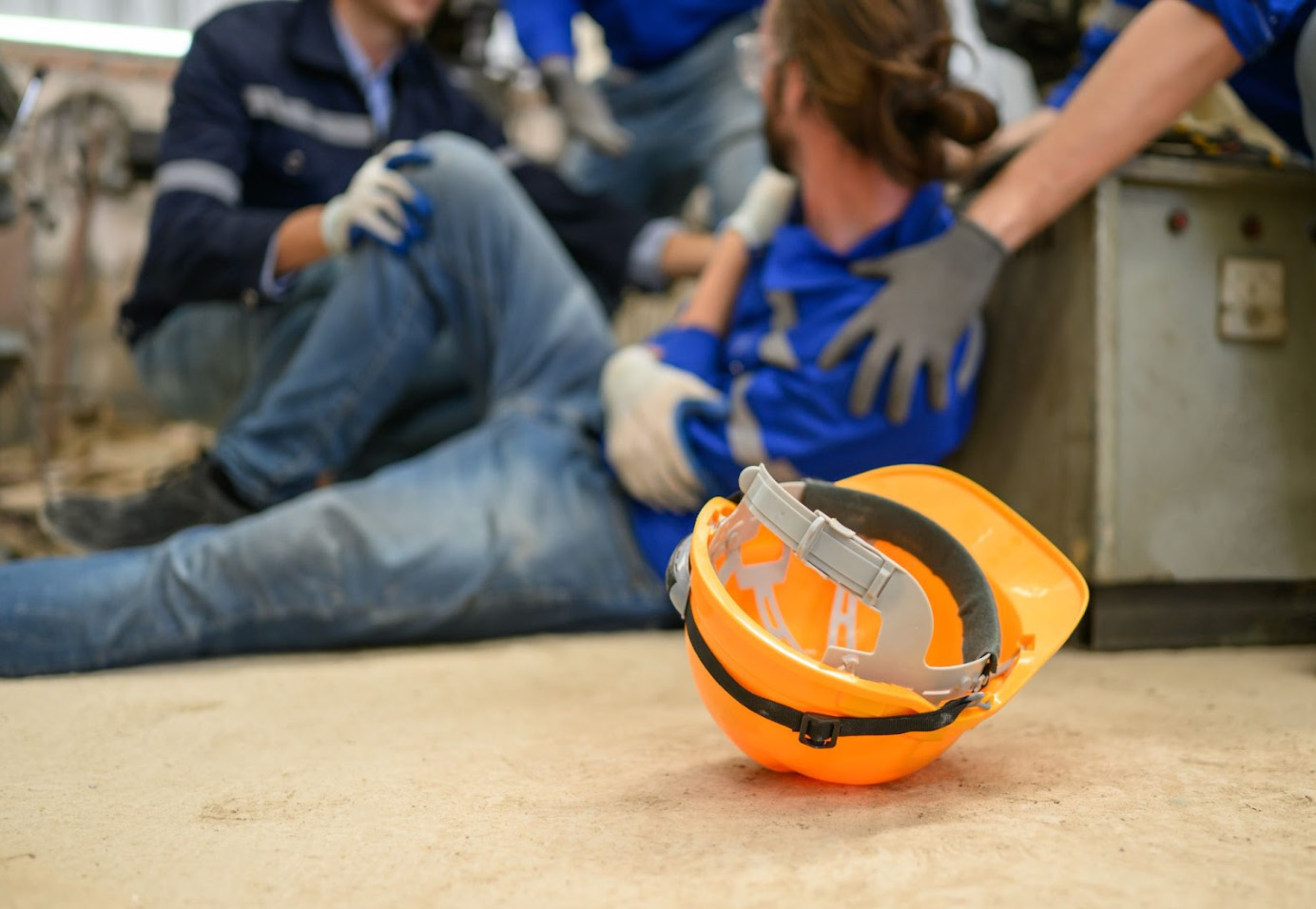
A general contractor (GC) hires an electrician who causes a fire, destroying $50,000 worth of equipment. The building owner sues the GC. The GC pulls out the certificate the electrician provided six months ago showing $2 million in coverage and files a claim. Denied. The policy was cancelled four months ago, and that certificate is worthless. The GC then has to write a $50,000 check personally.
Third-party insurance protects the policyholder from financial claims when they cause damage to others. When businesses require vendors or contractors to carry this coverage and secure additional insured status, that protection can extend to the hiring company if the right endorsements are in place.
The stakes for businesses have never been higher. Nuclear verdicts, which are jury awards exceeding $10 million, jumped 27% in 2023 alone, with the most extreme verdicts of over $100 million increasing by 35%. These massive judgments make third-party insurance protection incredibly important for any business.
This guide explains what third-party insurance is and how it’s different from first-party coverage that protects your losses. You’ll learn which coverage types matter for different vendors and how to certify third-party insurance is really protecting you instead of just looking good on paper.
What Is Third-Party Insurance?
Third-party insurance is liability coverage that protects the policyholder from financial claims made by other people or businesses for damages the policyholder causes. When someone gets injured or suffers property damage because of your work, operations, or negligence, third-party insurance pays their claims instead of forcing you to cover everything personally.
The terminology comes from how insurance relationships work. The first party is you, the person or business buying insurance. The second party is the insurance company selling you the policy. The third party is someone else entirely who claims you caused them harm or loss. Third-party insurance kicks in when that outside person or business comes after you for money.
This coverage protects your legal and financial responsibilities toward others when your actions, mistakes, or work cause them harm. A contractor’s faulty electrical work burns down a building. A consultant’s bad advice costs a client $200,000. A property owner’s icy sidewalk breaks someone’s leg. Third-party insurance handles these claims from people you’ve injured or damaged.
Third-party insurance is also called liability insurance because it specifically covers your legal liability to compensate others for harm you cause. Third-party insurance coverage does not protect your own property or injuries. If your building burns down or you get hurt, that’s first-party insurance territory. Third-party coverage only activates when others come after you claiming you caused their problems.
An example of third-party insurance coverage is if a plumbing contractor carried third-party liability insurance with $1 million limits. Six months after finishing a bathroom remodel, faulty installation causes water to flood the homeowner’s house, destroying $75,000 worth of floors, drywall, and furniture. The homeowner filed a claim against the plumber for all damages. The plumber’s third-party insurance pays the $75,000 property damage plus legal fees to defend against the claim. Without third-party coverage, the plumber would have to write a $75,000 check personally and pay all attorneys out of pocket.
How Third-Party Insurance Works
Third-party insurance activates when someone claims you caused them harm and comes after you for money. The process runs from the initial incident through final payment, with your insurance company controlling everything. Here’s what the third-party insurance claims process looks like:
1. Incident and Claim
Something goes wrong, causing injury or property damage to someone else. Your contractor’s electrical work starts a fire. Your consultant’s advice tanks a client’s business. Your delivery driver rear-ends another car. The injured party files a lawsuit, sends a demand letter, or contacts you directly claiming you owe damages.
At this point, you should notify your insurance company immediately. Most policies require “prompt” notification, with some specifying “within 30 days.” Miss the deadline, and your insurer can deny coverage entirely.
2. Investigation and Decision
The insurance company assigns a claims adjuster who investigates what happened, who caused it, and potential damages. Adjusters interview witnesses, review contracts, inspect damage, and hire experts. You don’t control this process — the policy gives your insurer full authority.
Your insurer then decides whether to settle or fight in court. They pay for everything during defense, including:
- Attorneys
- Expert witnesses
- Court fees
- Investigations
These defense costs usually don’t count against your policy limits under commercial general liability policies. If they settle, they negotiate payment and cut checks from your limits. If they fight, they hire attorneys through trial and appeals.
3. Payment from Policy Limits
Settlements or judgments get paid from your per-occurrence limit. If a jury awards $800,000 and you have $1 million in coverage, then your insurance pays for all of it. If the jury awards $1.5 million, then insurance pays for $1 million, and you’re liable for the remaining $500,000.
Multiple claims can also exhaust your aggregate limit even when individual claims stay under per-occurrence limits. Three $700,000 claims total $2.1 million. Your $2 million aggregate pays the first $2 million, but you’ll have to pay the remaining $100,000. After hitting your aggregate, you’re completely uninsured until the policy renews.
How long the entire third-party insurance claims process takes varies depending on case complexity. Simple claims might settle in weeks. Complex construction defect cases can drag on for 2–4 years, with appeals adding another 1–2 years. Professional liability claims usually take 6–18 months. The entire time claims remain open, you’re reporting them to future insurers and paying higher premiums.
Third-Party Insurance vs. First-Party Insurance: Key Differences
The biggest difference between first-party insurance and third-party insurance is in who files claims and who receives payments. Both protect businesses from financial losses, but they operate in opposite directions. These are the most important differences between third-party insurance and first-party insurance:
| Aspect | First-Party Insurance |
|---|---|
| Who Files Claims | You (the policyholder) |
| What It Covers | Your own losses and damages |
| Who Receives Payment | You or your chosen providers |
| Common Examples | Property insurance, health insurance, business interruption |
| When It Pays | When you suffer direct loss |
| Purpose | Protects your assets and income |
First-party coverage pays you directly when bad things happen to your business. Your building burns down, and first-party insurance cuts you a check to rebuild. You get sued and can’t operate for two weeks, first-party business interruption coverage replaces your lost income.
You’re both the policyholder and the beneficiary collecting money when covered events happen.When financed property is involved, a loss payee provision changes who receives that first-party payment, directing insurance proceeds to the lender before the policyholder sees a dollar.
Third-party coverage pays other people when you cause their problems. If your work damages someone’s building, third-party insurance pays them. If your product injures a customer, third-party coverage handles their medical bills and lawsuit. You’re the policyholder paying premiums, but the insurance company sends checks to third parties you’ve harmed, not you.
Many insurance policies bundle both types together. Cyber insurance usually includes first-party coverage for your direct losses from data breaches, like notification costs and business interruption, plus third-party coverage for lawsuits from customers whose data you exposed.
Auto policies combine collision coverage protecting your vehicle (first-party) with liability coverage paying people you hit (third-party). Commercial property policies cover damage to your building (first-party) alongside liability for visitors injured on your premises (third-party). Auto insurance shows this split clearly. Third-party car insurance (liability coverage) pays for damage you cause to other vehicles and injuries to other drivers. Your comprehensive coverage fixes your car. Together, they protect both directions.
Businesses that require third-party insurance from vendors and contractors use it to transfer liability risk away from the hiring company. Let’s say you bring in an HVAC contractor to install new systems, but their faulty work causes a fire. Without third-party insurance requirements in your contract, you’d have to eat the damages when the building owner sues. With proper third-party coverage from the contractor naming you as an additional insured, their insurance handles the claim instead of yours.
Common Types of Third-Party Insurance Coverage
Different business activities create different third-party liability exposures that require specific coverage types. Contractors need protection from injuries and property damage during construction work, but consultants need coverage for financial losses from bad advice. Every business faces unique third-party risks based on what they actually do.
Commercial General Liability (CGL) Insurance
Commercial general liability is the most common third-party coverage for businesses, handling bodily injury and property damage claims from your operations, products, or completed work. This policy covers someone slipping on your premises and breaking an ankle, property damage from your construction work, or injuries from defective products you sell.
The general liability insurance market has grown by 45% since 2017 and is projected to reach $380.7 billion globally by 2028, showing just how important third-party protection has become for modern businesses.
CGL policies typically include Coverage A for bodily injury and property damage, Coverage B for personal and advertising injury, and Coverage C for medical payments to third parties. Coverage A is the most important component for construction-related claims. Beyond that, third party insurance covers three main types of claims:
- Premises liability: Injuries on property you own or control
- Product liability: Injuries from items you manufacture or sell.
- Completed operations liability: Claims from your finished work.
Standard CGL coverage usually includes $1 million per occurrence limits and $2 million general aggregate limits. The per-occurrence limit caps how much the insurance pays for any single accident. The aggregate limit restricts total payouts across all claims during the policy period. Once you hit that $2 million aggregate through multiple claims, you’ll have to pay everything else personally until the policy renews.
Contractors, manufacturers, retailers, property owners, and any business with physical operations need CGL coverage. This is the foundation of third-party protection that most commercial contracts require before allowing vendors or contractors to start work.
Professional Liability and Errors & Omissions (E&O)
Professional liability insurance covers service providers when mistakes, negligence, or failure to perform promised services causes financial losses to clients. Also called errors and omissions (E&O) insurance or malpractice coverage, depending on the profession, this policy handles claims that don’t involve physical injury or property damage but still cost clients money.
These types of claims are remarkably common. One major insurer alone has handled over 93,000 E&O claims in many different industries. With evolving building safety laws and cybercrime creating new exposures, professionals providing services or advice need robust E&O coverage now more than ever.
These are some common professional liability claims:
- An architect’s design flaw delays a project for six months and costs the developer $400,000 in lost rent.
- An accountant files taxes incorrectly, triggering IRS penalties and interest charges.
- A software consultant misses an important deadline and causes a client to lose a major contract.
- An engineer’s calculation error forces the company to perform expensive structural repairs.
The professions that most commonly need professional liability insurance are:
- Doctors
- Lawyers
- Accountants
- Engineers
- Architects
- Consultants
- Insurance agents
- Real estate brokers
Basically, anyone selling expertise or professional services rather than physical products could benefit from this type of insurance. Claims can come up years after providing the services, which is why professional liability policies operate on a claims-made rather than occurrence basis that requires continuous coverage even after you stop working.
Auto Liability Insurance
Auto liability insurance covers the injuries and property damage you cause to others while operating vehicles. It’s required by law in almost every state, as it covers medical bills and property damage when you’re at fault in accidents.
Most people know third-party car insurance from their personal auto policies. This pays for damage and injuries you cause to others but doesn’t fix your own vehicle after accidents. That’s different from comprehensive coverage that protects your car from theft, vandalism, or weather damage. Comprehensive and third-party insurance together give you complete protection, which is why business owners need commercial third-party vehicle insurance when employees drive for work or when operating company trucks and vans.
Commercial auto liability applies to business-owned vehicles and employees driving for work purposes. Let’s say a delivery driver rear-ends another car, sending the driver to the hospital with $50,000 in medical bills. Or maybe your company truck damages a client’s fence during a service call, or an employee causes a three-car pileup while running errands for work. Auto liability insurance handles these third-party claims instead of you paying personally.
The minimum required limits vary by location, but commercial policies usually start at $1 million combined as a single limit. The single number covers both bodily injury and property damage from one accident, replacing the older split-limit structure showing separate amounts for different damage types. Many contracts require contractors and service providers to carry commercial auto liability when their work involves driving to job sites or making deliveries.
Commercial insurance premiums rose 6.6% overall in Q4 2023, but commercial auto liability specifically jumped by double digits, continuing 25 consecutive quarters of double-digit increases. These rising costs make it even more important to verify that your vendors and contractors carry adequate auto coverage before they drive into your job sites.
Who Needs Third-Party Insurance?
Any business that could cause injury or damage to others needs third-party liability insurance. The question isn’t whether you need it, but which types and how much based on what risks your specific operations create.
These are the industries that need third-party insurance the most:
- Contractors and construction companies: Physical work creates massive injury and property damage risks across active job sites, during project execution, and years after finishing when defects come up, which is why subcontractors need comprehensive insurance coverage. Faulty foundations crack. Electrical work causes fire. Roofs leak and collapse. Construction generates third-party claims from property owners, injured site workers from other companies, damaged neighboring properties, and defective work that can harm people long after project completion. On the largest construction projects, third-party coverage for enrolled subs gets consolidated under an OCIP or CCIP where a single master policy replaces individual GL and workers’ comp rather than each sub carrying separate coverage.
- Professional service providers: Consultants, accountants, engineers, architects, lawyers, and advisors whose mistakes or missed deadlines cause financial losses to the client need professional liability coverage. Bad advice can cost clients deals, and design errors can force expensive rebuilds. These financial harms don’t involve physical injury but still generate massive third-party claims.
- Manufacturers and product sellers: Companies that make or sell products face liability when defective items injure consumers or damage property after sale. Exploding batteries. Contaminated food. Faulty tools that cause injuries. Product liability follows your items into consumers’ hands for years after they leave your facility.
- Property owners and managers: Landlords and property managers are responsible for injuries that happen on premises they own or control. This is for things like slips and falls on icy walkways, ceiling collapses from deferred maintenance, and inadequate security that leads to assaults. Property owners face third-party claims from tenants, visitors, delivery drivers, and anyone stepping onto their property.
- Transportation and delivery services: Businesses that operate vehicles create constant third-party exposure through potential accidents that injure others or damage property. Every mile driven risks rear-ending cars, sideswiping pedestrians, or crashing into buildings. Commercial auto liability is mandatory and important.
- Event organizers and venues: Companies that host gatherings where attendees might get injured or property might get damaged need protection from third-party claims. Events like concerts where crowd crushes could injure people or festivals where vendor tents collapse are great examples of this. Event liability covers claims from attendees, vendors, and neighboring properties affected by your events.
How Much Does Third-Party Insurance Cost?
Third-party insurance premiums vary dramatically based on your industry, coverage limits, claims history, and risk factors. A small consulting firm might pay $500 per year for professional liability, while a large construction company pays $50,000+ per year for commercial general liability.
What Drives Your Third-Party Insurance Premium
How much you pay for your third-party insurance largely depends on these factors:
- Industry risk: Roofing contractors pay more than office consultants because physical construction work creates more frequent and severe claims than professional advice. Insurance companies analyze claims data across thousands of businesses in your industry to set baseline rates.
- Coverage limits: Higher limits mean higher premiums. Doubling from $1 million to $2 million per occurrence can increase your costs by about 50%. Higher deductibles, on the other hand, reduce premiums by transferring more risk back to you.
- Revenue and payroll: Most premiums are calculated as a percentage of your revenue or payroll. A contractor doing $5 million per year pays more than one doing $1 million because more revenue means more projects and exposure.
- Claims history: One major claim can increase your premiums by 25–50% at renewal. Multiple claims might make you uninsurable through standard markets, forcing you into high-risk carriers that charge two to three times as much as normal insurers. In construction, your EMR score quantifies that claims history into a single multiplier that adjusts your workers’ comp premiums up or down from the base rate.
- Location: Operating in nuclear verdict jurisdictions like California or Florida costs more than states with tort reform and lower jury awards.
Typical Premium Ranges by Industry
These estimates are for minimum coverage ($1 million per occurrence, $2 million aggregate) with clean claims history:
| Industry | Annual Premium Range |
|---|---|
| Construction | |
| General contractors | $3,000–$15,000 |
| Specialized trades (electrical, plumbing, HVAC) | $2,500–$10,000 |
| Roofing contractors | $5,000–$20,000 |
| Professional Services | |
| Consultants | $500–$3,000 |
| Accountants | $1,000–$5,000 |
| Engineers/Architects | $2,000–$10,000 |
| Retail and Hospitality | |
| Small retail stores | $500–$2,000 |
| Restaurants | $2,000–$8,000 |
| Transportation | |
| Delivery services | $5,000–$20,000 |
| Trucking companies | $8,000–$30,000+ |
Businesses with claims, high-risk operations, or inadequate safety programs pay considerably more than the estimates above.
How to Reduce Costs
Premium costs aren’t fixed. Smart risk management and strategic purchasing decisions can cut your third-party insurance costs by up to 40% without reducing coverage limits. Here are some tips:
- Implement formal safety programs: Document training, inspections, and incident investigations. Insurance companies offer premium discounts up to 25% for businesses demonstrating strong risk management through written safety protocols and regular employee training.
- Bundle multiple coverages with one carrier: Buy general liability, commercial auto, and workers’ compensation from the same insurance company. Package discounts of 10–20% apply when bundling compared to buying policies separately from different carriers.
- Increase deductibles strategically: Move from $1,000 to $5,000 deductibles to reduce premiums by 15–25%. Only raise deductibles to levels you can pay from operating cash flow when claims occur.
- Maintain continuous coverage without gaps: Letting coverage gaps lapse even briefly marks you as higher risk. Insurance companies usually increase premiums when you reapply after coverage gaps, viewing lapses as signs of financial instability.
- Shop rates every 2–3 years: Insurance markets fluctuate all the time. Carriers that offered great rates three years ago might be overpricing renewals while competitors offer better terms. Use an independent broker who can quote multiple carriers at the same time.
- Join industry associations: Many trade associations negotiate group insurance rates for members, offering 5–15% discounts compared to individual policies. Associations also provide loss control resources that help you qualify for safety-based discounts.
- Install safety equipment and security systems: Sprinkler systems, security cameras, and alarm systems reduce premiums by lowering your risk profile. Document all safety investments when requesting quotes to maximize premium reductions.
Additional Insured Coverage in Third-Party Insurance Policies
When you require third-party insurance from vendors and contractors, getting added as an additional insured determines whether their coverage protects you.
Why Additional Insured Status Matters for Third-Party Protection
Third-party insurance protects the policyholder from claims. When your electrician carries third-party liability insurance, that policy covers them when someone sues over their work. It doesn’t automatically cover you even though their faulty work happened on your project.
Additional insured endorsements extend the vendor’s third-party coverage to also protect you from claims arising from their work. Their insurance company defends you and pays settlements when someone sues you over damage the vendor caused. Without this endorsement, you’re using your own insurance or paying personally even though you didn’t cause the problem.
This matters because building owners, tenants, and injured parties sue everyone involved in projects. They don’t care that your subcontractor caused the damage. They sue you because you hired the sub, you controlled the project, and you probably have deeper pockets. Additional insured status makes the vendor’s third-party insurance respond to these claims instead of yours.
The Ongoing vs. Completed Operations Problem
Third-party insurance policies split liability into two timeframes: ongoing operations while work is happening and completed operations after work finishes. Additional insured endorsements are split the same way, and most vendors give you the wrong one. Here’s how they compare:
| Endorsement Type | When Coverage Applies | What It Protects | Coverage Ends |
|---|---|---|---|
| CG 2010 (Ongoing Operations) | While vendor actively works on your property | Third-party injuries and equipment damage during construction | Day vendor finishes and leaves job site |
| CG 2037 (Completed Operations) | After vendor finishes work and leaves | Defects discovered months/years later (roof leaks, fires, structural failures) | When vendor’s policy expires or cancels |
CG 2010 endorsements add you as an additional insured for ongoing operations only. The vendor’s third-party coverage protects you while they’re actively working on your property. The day they finish their scope and leave your job site, your additional insured protection disappears. Their policy still exists, covering them on new projects, but it stopped covering you.
This kills you on construction defects that surface months or years after completion. The roof doesn’t leak until the first heavy rain six months later. The electrical fire doesn’t start until systems run at full capacity a year after installation. You file a claim expecting the vendor’s third-party insurance to cover you as an additional insured, and the insurance company denies it because CG 2010 only covered you during active work.
The original 1985 version of CG 2010 (CG 20 10 11 85) actually covered both ongoing and completed operations tied to the named insured’s work. ISO revised the form in 2001 to restrict coverage to ongoing operations only, creating CG 2037 to fill the completed operations gap. Some older policies may still reference the 1985 version, which provides broader coverage, but don’t assume you have it without verification. Always check the exact form number and edition date printed on the endorsement.
CG 2037 endorsements extend additional insured coverage to completed operations. The vendor’s third-party insurance continues protecting you after they finish work and move to other jobs. This endorsement follows their work for years, maintaining your protection through the policy’s products-completed operations coverage.
You need both. CG 2010 covers you during construction when workers get injured or equipment gets damaged. CG 2037 covers you after completion when defects surface and buildings fail. Most vendors provide CG 2010 by default because it’s cheaper and their insurance agents don’t understand the gap. Your contract needs to explicitly require both endorsements, or you’re exposed the moment vendors finish their work.
Essential Endorsements Your Vendor Contracts Must Require
Your contracts need specific endorsement language to actually transfer liability risk through third-party insurance:
- Additional insured for ongoing operations: Require “CG 2010 or equivalent endorsement adding [Your Company] as additional insured for ongoing operations.” Don’t accept vague “additional insured” language letting vendors provide inadequate coverage.
- Additional insured for completed operations: Require “CG 2037 or equivalent endorsement adding [Your Company] as additional insured for products-completed operations.” This maintains protection after vendors finish work and leave.
- Primary and non-contributory coverage: Require an endorsement stating that the vendor’s insurance is “primary and non-contributory to any other insurance available to the additional insured.” This makes their third-party insurance pay first before yours does. These endorsements are what back the hold harmless clause in your vendor contract, and without them the liability transfer you negotiated on paper has no insurance standing behind it.
- Waiver of subrogation: Require an endorsement stating that “Insurer waives all rights of subrogation against the additional insured.” This prevents the vendor’s insurance company from suing you after paying claims.
- Copies of actual endorsements: Require that vendors provide “copies of all required endorsements attached to certificates of insurance before commencing work.” Certificate notations alone prove nothing.
The current 2013 versions of these endorsements (CG 20 10 04 13 and CG 20 37 04 13) include restrictions not present in earlier forms. Coverage applies only to the extent required by your written contract, only to the extent permissible by law, and only up to the liability limits specified in the contract. This means your contract language directly affects how much protection you receive. Vague or missing coverage requirements in your contract could limit your additional insured protection even with the right endorsement form in place.
Certificate Notations Mean Nothing
Certificates of insurance list you as an additional insured in the description box without proving any endorsements actually exist. The certificate says, “ABC Company is additional insured per contract,” and you file it away, assuming you’re protected.
The certificate is a summary document with limited legal weight. The disclaimer printed on every certificate states it “confers no rights upon the certificate holder” and “does not affirmatively or negatively amend, extend, or alter the coverage afforded by the policies.” While some businesses accept certificates with the additional insured box checked and rely on potential agent liability if the notation is false, this creates risk. The certificate itself can’t create additional insured coverage that doesn’t exist in the actual policy through endorsements.
You need copies of the actual CG 2010 and CG 2037 endorsement forms attached to the vendor’s policy. These endorsements modify the insurance contract to include you. Without the endorsements, certificate notations claiming you’re an additional insured are inaccurate — either intentional fraud or the vendor’s agent not understanding the difference between checking a box and actually adding coverage.
Request the endorsements before vendors start their work. Verify the endorsement form numbers match CG 2010 and CG 2037 or legitimate equivalents. Check the “Who Is An Insured” section to confirm the coverage applies to you for both ongoing operations and products-completed operations. Don’t accept certificates alone and discover coverage gaps only when filing claims years later.
What Does Third-Party Insurance Actually Cover?
Third-party insurance covers specific costs when others claim you caused them harm or financial losses. Knowing exactly what policies pay versus what comes out of pocket prevents nasty surprises when filing claims.
Covered Expenses Under Third-Party Policies
Third-party insurance pays for damages and costs you owe to others:
- Third-party medical bills and treatment costs: When your actions injure someone, the policy covers their hospital care, rehabilitation, medication, and ongoing treatment. Imagine a customer slips on your wet floor and needs surgery. Third-party insurance pays their medical expenses and lost wages. In auto accidents, third-party car insurance covers the other driver’s injuries when you’re at fault.
- Property damage and repair costs: Coverage pays to repair or replace others’ property damaged by your work, products, or operations. Your contractor damages a building’s HVAC system during construction. Your defective product ruins a customer’s equipment. Your delivery truck crashes into someone’s storefront. The policy handles repairs and replacements.
- Legal defense costs: Many CGL policies pay defense expenses like attorney fees, expert witnesses, court costs, and investigation fees separately from your coverage limits, which means defense doesn’t reduce the funds available for settlements or judgments. This applies even when claims turn out to be groundless. However, defense coverage varies by policy, so review whether your coverage provides defense inside or outside limits.
- Court-ordered judgments and settlements: Payment of amounts you’re legally obligated to pay after losing lawsuits or negotiating settlements with injured parties. For example, if a jury awards $800,000 to someone injured by your work, then your insurance will pay up to your policy limits.
- Lost income and business interruption: Compensation for third parties’ lost wages or business income resulting from injuries or damage you caused. This comes in handy if something like an electrician’s faulty work shuts down a restaurant for two weeks and the owner loses $40,000 in revenue during the closure. The electrician’s third-party coverage would pay for that loss.
What Third-Party Insurance Excludes
Third-party policies don’t cover everything. These are the common insurance from third-party policies that could leave you exposed to liability:
- Intentional acts and criminal behavior: Coverage doesn’t apply when you deliberately cause harm or engage in illegal activities. Installing materials you knew were defective, intentionally cutting corners to save money, or performing work without required permits won’t trigger coverage when problems come up.
- Certain contractual liability assumptions: CGL policies exclude some liability you assume through contracts, though standard policies include an “insured contract” exception that covers many construction agreements and indemnification clauses.
- Professional services outside your scope: E&O policies exclude work outside your stated professional expertise, like an accountant giving legal advice or an engineer performing architectural work. Claims from services you’re not qualified to provide get excluded.
- Employee injuries covered under workers’ compensation: Third-party liability excludes injuries to your own employees, which workers’ compensation handles separately. If your worker gets hurt on the job, that’s workers’ compensation territory, not third-party liability.
- Pollution and environmental damage: Standard policies exclude environmental contamination that requires separate pollution liability coverage. These policies cover things like your construction work contaminating groundwater or your manufacturing process releasing toxic chemicals.
- Cyber incidents that require cyber insurance: Data breaches and cyberattacks need dedicated cyber liability coverage beyond standard third-party policies. That might look like losing customer data in a breach and getting sued for it.
Verifying Third-Party Vendor Insurance Requirements
You can’t protect yourself from vendor liability by collecting certificates of insurance and hoping everything works out. Most contractors find out their vendor’s coverage isn’t active only when filing claims after damage has already happened. Insurance fraud is surging, with 74% of insurers reporting steady or increasing fraud cases, according to the Reinsurance Group of America 2024 Global Claims Fraud Survey. This makes verifying your vendors’ coverage even more important than just collecting certificates that could be fake or outdated.
Essential Verification Steps
Here’s what to do to verify that you have active third-party coverage:
- Get certificates straight from the insurance agent: Learn how to request certificates from vendors instead of accepting whatever they hand you. They can download templates online and fill them out with fake information. Contact the insurance agent listed on the certificate and request direct confirmation that the policy exists.
- Check the ACORD format: Real certificates use ACORD standard forms with the logo in headers and footers. Look for complete information in every field, including insurer names, policy numbers, dates, coverage types, and limits. Blank fields or handwritten additions mean someone’s cutting corners or exaggerating coverage.
- Match the business name to your contract: Your contract says “ABC Contracting LLC,” but the certificate shows “ABC Contracting Inc.” You just hired the wrong company. The corporation might carry insurance while the LLC you’re actually working with has zero coverage.
- Compare coverage to what your contract demands: Your contract requires $2 million general aggregate. The certificate shows $1 million. That’s a problem you fix before the vendor starts work, not after they cause $1.5 million in damage.
- Demand the actual endorsements: Understanding the difference between additional insured status and certificate holder is important. A certificate notation saying “additional insured” doesn’t mean you’re actually added to the policy. Get copies of the CG 2010 and CG 2037 endorsements that show evidence of coverage, and confirm that waiver of subrogation clauses are included. No endorsements means no coverage regardless of what the certificate claims.
- Verify that the dates cover your entire project: Your project runs March through September. Their policy expires in May. You need proof they’re renewing coverage, or you’ll be working uninsured for four months.
- Track expirations yourself: Set calendar reminders for 30 days before each policy expires. Email the vendor demanding updated certificates showing evidence of renewal. Don’t wait for them to send renewals voluntarily because they won’t.
For construction firms managing large sub rosters, these verification steps fold into a broader vendor qualification process that also evaluates financial health, EMR ratings, and past performance before a sub gets approved for work.
Keep Checking After Initial Verification
A certificate you collected in January tells you nothing about whether coverage exists in June. Vendors cancel policies all the time without updating everyone.
Contact the insurance carrier every quarter asking whether the policy is still active and premiums are current. Some carriers won’t give you this information, but many will verify basic status if you explain you’re checking on a vendor working for you.
Add contract language requiring vendors to notify you within 48 hours of any cancellations or changes. This won’t prevent them from canceling, but at least you’ll know about it before continuing work uninsured.
For vendors who finish projects but whose contracts require maintaining coverage for years afterward, you need annual verification. Your electrician wrapped up work in 2024 but owes you coverage through 2029. Check every single year to confirm that they actually renewed instead of assuming they did.
How CertFocus Automates Third-Party Insurance Verification
Certificate tracking software like CertFocus by Vertikal RMS handles all the certificate collection and expiration tracking across your vendors. The platform sends automatic renewal requests before policies expire so you’re not manually adding hundreds of dates to your calendar.
Insurance professionals review incoming certificates to check for proper endorsements and required coverage before flagging problems. You get alerts when certificates are missing documentation or approaching expiration.
Stop managing vendor insurance through spreadsheets you forget to update. CertFocus by Vertikal RMS tracks COIs, monitors expirations, and catches gaps before vendors cause damage you thought their insurance would cover.
FAQs
Third-party insurance is liability coverage that protects you from financial claims made by others for damages you cause. The policy pays when someone else gets injured or suffers property damage from your work or negligence instead of forcing you to pay claims personally.
The third party is the person or business making a claim against you for damages. You’re the first party (policyholder), the insurance company is the second party, and anyone claiming you caused them harm or loss is the third party seeking compensation.
First-party insurance pays you directly when you suffer losses like property damage or business interruption. Third-party insurance pays others when you cause their losses. First-party protects your assets, while third-party protects you from liability to others.
No, third-party insurance only covers losses you cause to others. It doesn’t pay for your injuries, property damage, or business interruption. You need first-party coverage like property insurance or business interruption coverage to protect your losses.
Any business that could cause injury, property damage, or financial loss to others requires third-party coverage. Contractors need it for construction injuries and defects, professional service providers need it for mistakes that cause client losses, and manufacturers need it for defective products that injure customers.
No, certificate holder status provides zero coverage, while additional insured status actually extends the vendor’s insurance to protect you. Certificate holders just receive copies of certificates for information. Additional insureds get actual coverage through policy endorsements when vendors cause damage.
Certificates are snapshots showing policy status only on the day issued. Policyholders can cancel coverage, stop paying premiums, or reduce limits anytime without notifying certificate holders. Certificates also don’t show you policy exclusions, wrong endorsements, or missing required coverage that only comes up when filing claims.
Verify the insured name matches your contract, coverage types and limits meet the industry-specific vendor insurance requirements, effective dates cover your project timeline, and your organization is listed as additional insured. Always request actual policy endorsements that show evidence of additional insured status, primary and non-contributory coverage, and waiver of subrogation beyond certificate notations.
CertFocus by Vertikal RMS uses credentialed insurance professionals to review certificates and endorsements against contract requirements. The system automates expiration tracking, sends renewal requests, performs quarterly carrier verification confirming active coverage exists, and alerts you immediately when policies cancel or lapse.
Third-party-only insurance is liability-only coverage that protects others from damage you cause without covering your own property or injuries. Drivers carrying third-party-only insurance meet the minimum legal requirements but pay personally to repair their vehicles after accidents. Businesses sometimes choose third-party-only coverage for older equipment where replacement costs don’t justify comprehensive premiums.
Third-party insurance costs vary by industry, coverage limits, risk profile, and claims history. Small consultants might pay $500–$3,000 per year for professional liability, while construction contractors pay $3,000–$20,000+ per year for general liability. High-risk operations, previous claims, and higher coverage limits all increase premiums.
Blanket additional insured coverage automatically adds anyone required by written contract as an additional insured without naming specific entities on the policy. This eliminates the need to request individual endorsements for each client, preventing gaps when contractors forget to add specific parties. However, blanket coverage only applies to entities required under written agreement, not verbal contracts. Standard blanket endorsements like CG 20 33 and CG 20 38 also cover ongoing operations only. They don’t extend to completed operations. You still need CG 2037 or equivalent completed operations coverage even when using blanket forms.
Yes, require all subcontractors to carry third-party insurance, including general liability, auto liability, and workers’ compensation. Your contract should specify minimum coverage amounts, require you to be added as an additional insured with both CG 2010 and CG 2037 endorsements, demand primary and non-contributory coverage, and include a waiver of subrogation.
Ready to Rise Above Risk?
Reach out to discover how Vertikal RMS can help your organization implement an efficient and effective COI compliance tracking system.